
Reviewed · CITY TOURS
Windhoek City Tour
Windhoek rewards curious eyes. This tour links German colonial landmarks with township life, local food, and the Penduka craft project, giving you more than a quick drive around the capital. I especially like the visit to Katutura and the chance to see Windhoek through its social history, not only its polished center. I also like that the group is usually small, with about seven people and a maximum of 13.
The main caution is reliability. A few bookings have involved late pickup, itinerary confusion, vehicle problems, or a guide who failed to arrive. The score of 3.3 from seven ratings suggests a worthwhile idea that can be unevenly delivered, so confirm your pickup details before setting out.
In This Review
- Key points to know before booking
- Why this short Windhoek tour is worth considering
- Christuskirche, Windhoek’s best-known church
- Parliament Gardens and the road to independence
- Alte Feste and the difficult colonial past
- Katutura, apartheid, and everyday Windhoek
- Penduka, crafts, and a better souvenir stop
- Guides, vehicles, and the small-group question
- What the $48 price really buys you
- Who will get the most from this experience
- Should you book the Windhoek City Tour?
- FAQ
- Where does the Windhoek City Tour take place?
- What time does the tour start?
- How long does the tour last?
- How much does the tour cost?
- Is hotel pickup available?
- How many people can join the tour?
- Are admission tickets included?
- Can children join the tour?
Key points to know before booking
- Katutura gives the tour its strongest sense of place: You see how apartheid shaped Windhoek’s neighborhoods and how the township functions today.
- Penduka adds a useful shopping stop: Handmade crafts support local women and give you a more meaningful souvenir option.
- The history moves from German rule to independence: Christuskirche, Parliament Gardens, and Alte Feste each mark a different chapter.
- Street food is part of the plan: The guide can point you toward local places and explain what to try.
- The small group is a real advantage: About seven people is the usual size, with 13 as the maximum.
- Allow two to three hours: The tour begins at 8:00 am, with hotel pickup offered and hotel drop-off available if you select that option.
Why this short Windhoek tour is worth considering
Windhoek can feel spread out when you first arrive. Its key sights sit among government buildings, residential areas, old German structures, and townships that are not always easy to understand from a standard sightseeing drive. This tour brings those pieces together in one morning.
I like the basic idea because it avoids treating Windhoek as a collection of photo stops. You begin with the city center, move through its political and colonial past, then spend a full hour in Katutura. That change of setting matters. It helps you see that the capital’s story is not confined to churches, forts, and government gardens.
The price is $48 per person. For two to three hours, that is fair if you value transport, a guide, and an introduction to areas you might not visit alone. It is less compelling if you only want the central monuments, since several stops are brief and admission is free.
The tour is most useful on your first day in Windhoek. You can get your bearings, learn which parts of the city deserve more time, and ask about food and crafts before you continue elsewhere in Namibia.
More City Tours in Windhoek
- Windhoek: City and Township Tour
★ 4.8 · 430 reviews - Half-Day Windhoek City and Township Cultural Tour
★ 4.5 · 187 reviews - Windhoek City Tour
★ 5.0 · 113 reviews
Christuskirche, Windhoek’s best-known church
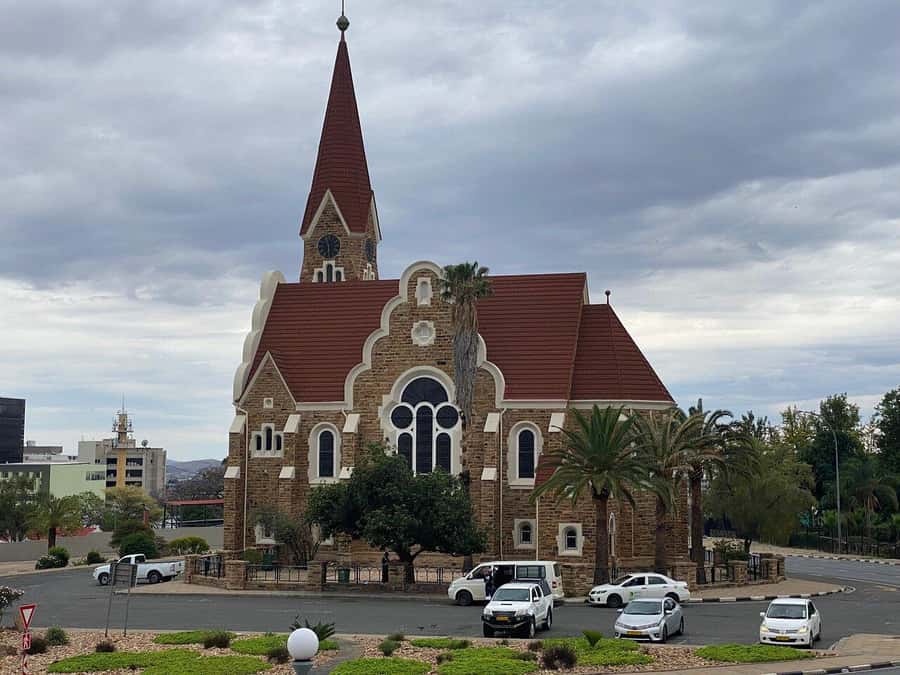
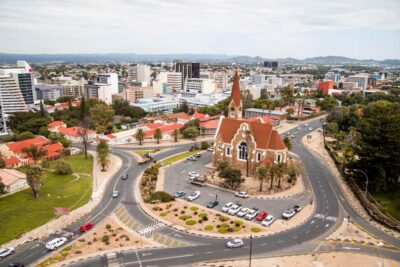
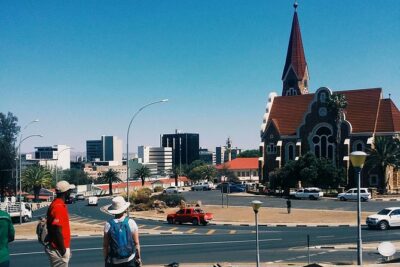
The morning begins at Christuskirche, the Lutheran church in central Windhoek. Its appearance reflects the city’s German colonial past, and it has become one of the capital’s most recognizable buildings.
You have about 15 minutes here. That is enough for an exterior look and a short explanation of the church’s place in Windhoek, but not enough for a long architectural visit. If the church is open, you may have time to look inside.
I would treat this stop as an introduction rather than the main event. The church helps explain why German influence is so visible in central Windhoek, but the tour’s value comes from connecting this symbol to the more complicated story that follows.
A practical point: the interior visit is not guaranteed. The schedule says time permitting, so you should not book this tour solely for access inside Christuskirche.
Parliament Gardens and the road to independence
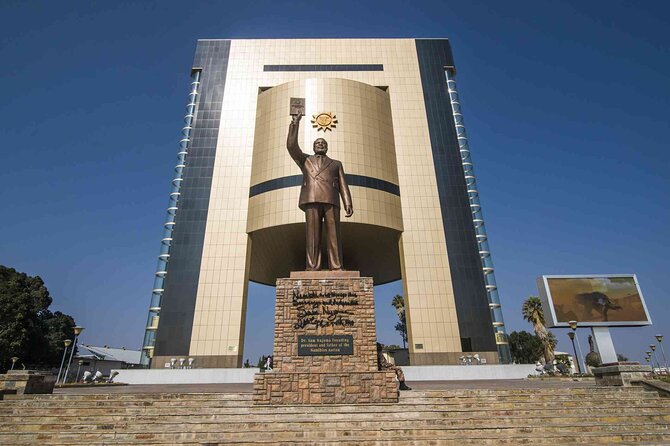
The next stop is Parliament Gardens, at the base of the Tintenpalast, Namibia’s Parliament Building. With about 20 minutes here, you can walk through one of the greener public spaces in central Windhoek and see three statues honoring people who played important roles in Namibia’s independence.
This is where the tour shifts from colonial architecture to the modern nation. The guide explains the figures represented in the gardens and discusses the political processes shaping Namibia today. That context gives the statues more meaning than a quick photograph would.
I appreciate this stop because it makes independence visible in a public setting. The city’s German-era buildings can dominate a first impression, but Namibia’s national story did not end with colonial rule. Parliament Gardens provides a compact reminder of the people and institutions that followed.
The drawback is time. Twenty minutes will give you an overview, not a detailed political lesson. If you are strongly interested in Namibian politics, note the names and subjects that catch your attention, then ask the guide for more detail while driving.
Alte Feste and the difficult colonial past
Alte Feste is described as Windhoek’s first building. The fort was used by the German army to protect its control of the city, making it an important stop for understanding colonization.
You spend about 10 minutes here. The building once housed a museum, but it now stands empty. That means you are visiting mainly for the site and the explanation, not for a full museum experience or a long indoor tour.
This is a short but important pause. The fort brings the military side of German rule into view, while Christuskirche showed the cultural and religious influence. Taken together, the first three stops introduce the forces that shaped central Windhoek.
I would keep your expectations modest. Alte Feste is not presented as a restored attraction with a large display collection. Its value lies in what it represents and in the guide’s explanation. Ask questions here, because the stop itself may not occupy much of your attention.
A few more Windhoek trips worth weighing up
- Windhoek: Bushman Walk with the San
★ 4.9 · 145 reviews - 6-Day Dunes and Wildlife Accommodated Safari from Windhoek
★ 5.0 · 123 reviews - 10-Day Namibia Highlights Guided Tour from Windhoek
★ 5.0 · 78 reviews - 12 Day Classic Namibia Camping Safari
★ 5.0 · 77 reviews
Katutura, apartheid, and everyday Windhoek
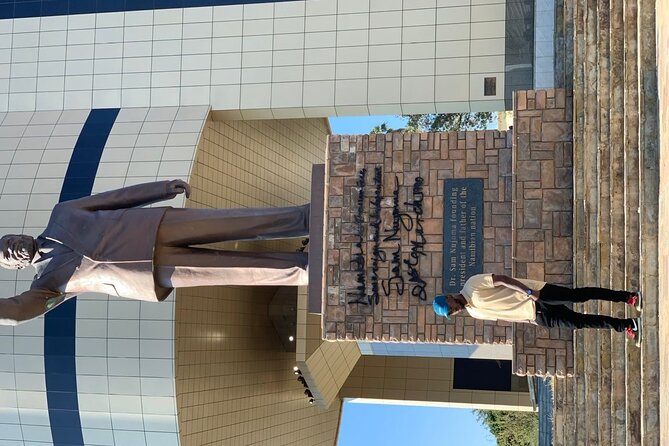
The one-hour visit to Katutura is the heart of the experience. The name refers to a large township area that includes several neighborhoods, with housing ranging from substantial modern homes to basic shack dwellings.
This is not a simple sightseeing stop. You are looking at how apartheid affected where people lived and how Windhoek developed. The area is home to more than half of the city’s population, according to the tour information, and its size and variety make clear that it is not one uniform neighborhood.
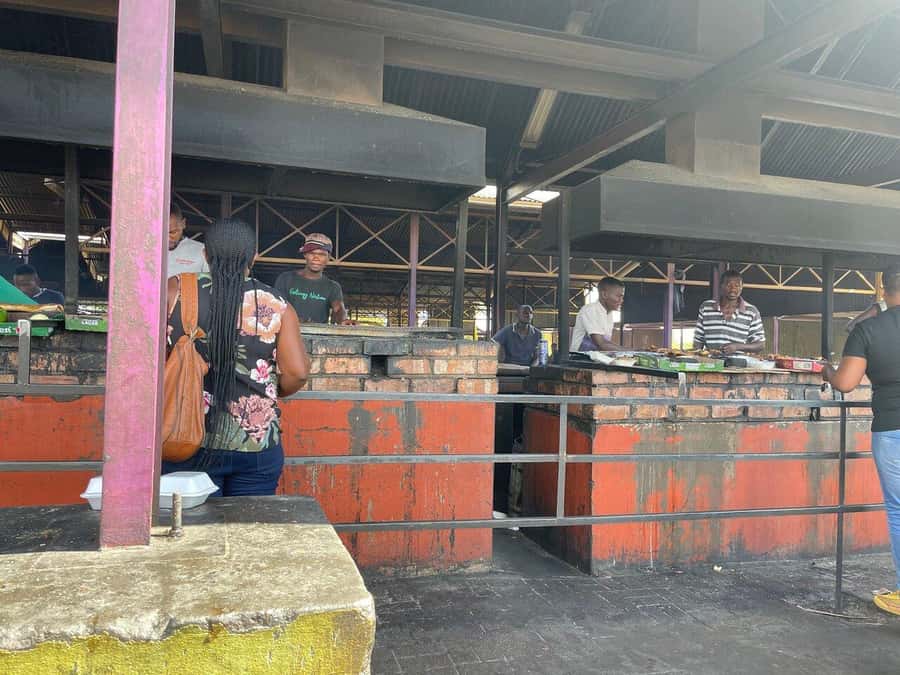
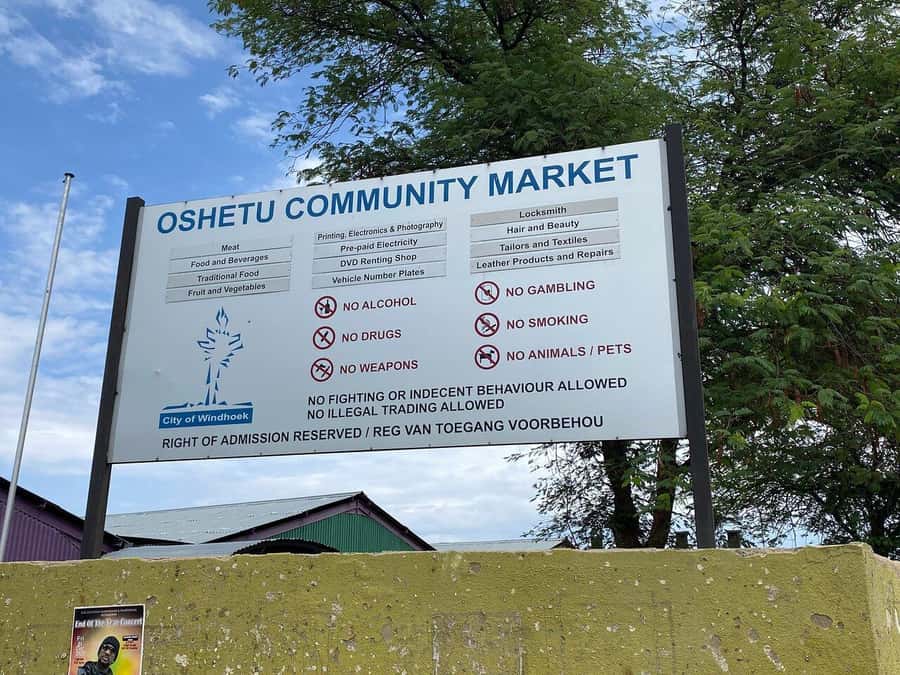
I value the time spent here because it adds social context that central monuments cannot provide. You may see a local market, hear about the township’s past, and learn how different sections of Katutura vary in living conditions. The tour also includes information about indigenous traditions and local life.
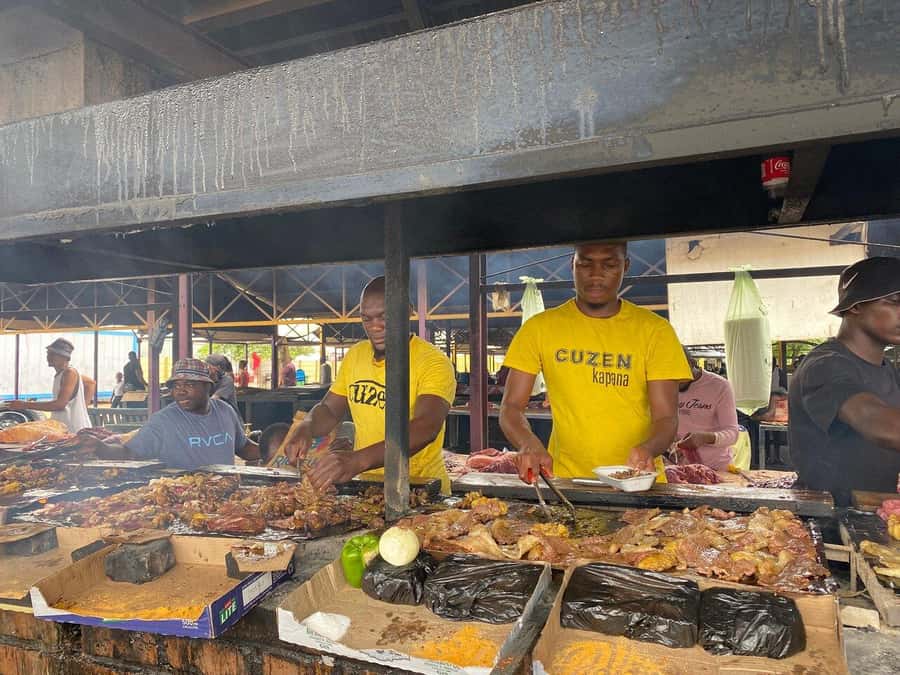
The market is a chance to try local street food and learn where the best spots are. The exact food available is not specified, so you should ask what is fresh and popular that morning. If you have dietary restrictions, raise them before choosing anything, since the tour does not list food as an included service.
You should also approach Katutura with respect. This is a lived-in community, not a stage set. Listen carefully, avoid treating homes or residents as props, and let the guide explain the setting. The tour’s strongest moments are likely to come from understanding the area rather than collecting photographs.
The township visit may also expose the tour’s limits. One hour is enough for an introduction, but not for a full account of apartheid, housing, economics, and local culture. Still, it is a useful first look, especially if you would not feel comfortable finding your way there independently.
Penduka, crafts, and a better souvenir stop
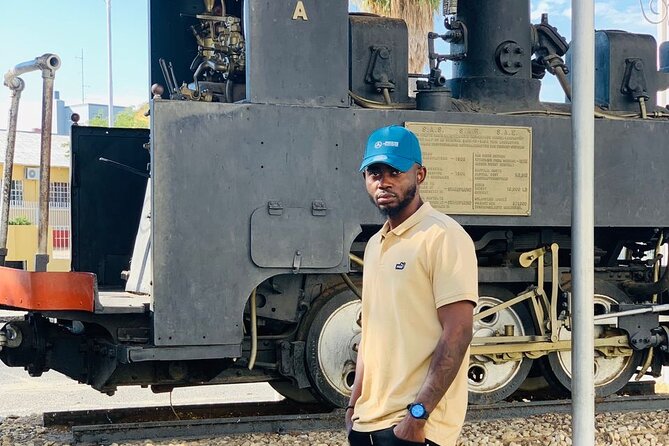
The final stop is Penduka, a craft project created to help local women support themselves and their families. You have about 30 minutes to see the project and shop for gifts or souvenirs.
This stop works well after Katutura. You move from learning about community life to supporting a local enterprise. I prefer this kind of shopping stop to a generic store because your purchase has a clearer connection to the people and project behind it.
The tour does not specify the exact crafts, prices, or payment methods, so bring only the expectations the information supports: you can browse and buy locally made items. If shopping is important to you, ask how much time will be available and whether the project accepts your preferred payment method.
Thirty minutes is a sensible amount of time for a quick visit. It may feel short if you want to examine many products, but it prevents the shopping stop from taking over the tour.
Guides, vehicles, and the small-group question
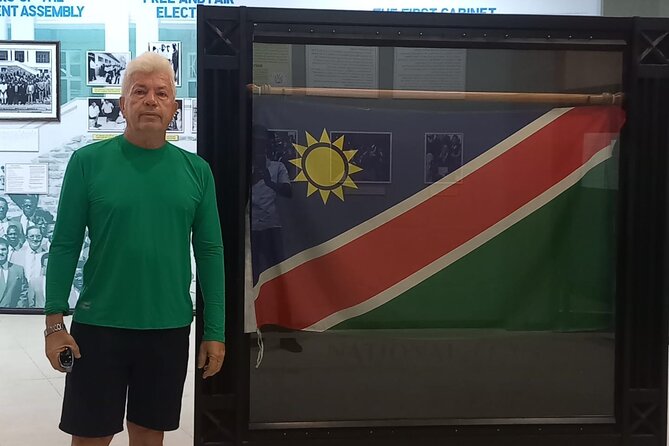
The guide and driver have been praised for being pleasant and well informed, but the operation has also had clear service problems. One booking involved a guide who did not arrive and did not respond, while another had a delayed pickup and a guide who had forgotten the collection.
That is not a minor issue when the tour begins at 8:00 am. I would confirm the pickup location and time directly before the morning of the tour, especially if you are staying outside central Windhoek or have a tight onward schedule.
Vehicle comfort has also been inconsistent. One vehicle reportedly blew hot air because of an air-conditioning fault, and some windows could not be opened. The group managed by opening the available windows, but Windhoek mornings can still become uncomfortable in a warm vehicle.
The operator explained that a larger group required an alternative vehicle rather than splitting the party. That detail matters because the usual small-group promise may feel different when demand is high. The listed maximum is 13 people, while the usual group is around seven.
A small group remains one of the tour’s better features. With fewer people, you have a better chance to ask about apartheid, food, local traditions, and the independence statues. But I would not assume that every departure will have exactly seven participants or the same vehicle.
What the $48 price really buys you
At $48, you are paying for a compact guided introduction rather than admission to major attractions. All listed stops have free admission, so the value comes from transport, local explanation, the township visit, and the convenience of covering several areas in one morning.
For a first visit, that can be good value. You would otherwise need to arrange transport between the center, Katutura, and Penduka, while also deciding how to approach the township respectfully. The guide’s local food suggestions may also help you plan lunch or a later meal.
The value drops if the service is poorly coordinated. A late pickup shortens an already brief tour, and a vehicle problem affects the whole morning. Because the current score is 3.3 out of 5, I would book for the itinerary and local access, but I would keep your schedule flexible.
Hotel pickup is offered, and hotel drop-off is included only when that option is selected. Read the booking choices carefully. Confirmation is received at booking, and free cancellation is available up to 24 hours before the start time. Poor weather or failure to meet the minimum number of participants can lead to a rescheduled experience or a full refund.
Who will get the most from this experience
I would recommend this tour to a first-time visitor who wants a quick introduction to Windhoek’s history and neighborhoods. It also suits anyone who prefers a small group and wants more than a loop around the central monuments.
It is a good match for you if:
- You want to understand German colonization and Namibia’s independence in one morning.
- You are interested in the social effects of apartheid.
- You want a guided introduction to Katutura.
- You like buying crafts that support a local project.
- You have only two or three hours available.
- You want hotel pickup as part of the arrangement.
You may want another plan if you need guaranteed air conditioning, exact pickup reliability, extended museum access, or a detailed specialist tour of Namibia’s political history. The itinerary is broad, so each subject receives an introduction rather than a long lecture.
Children can participate, but they must be accompanied by an adult. The child rate applies only when sharing with two paying adults. Most people can take part, and the tour is capped at 13 participants.
Should you book the Windhoek City Tour?
Book it if you want a broad, human-scale introduction to Windhoek and you are willing to accept some operational uncertainty. The Katutura visit, street-food guidance, and Penduka stop give this tour more substance than a standard city-center drive.
I would be most likely to choose it early in a Windhoek stay, when the historical background and neighborhood orientation can shape the rest of your visit. Confirm your pickup details, avoid scheduling an important flight or transfer immediately afterward, and ask about the vehicle if comfort is a concern.
Skip it if you only want polished central sights or if a missed pickup would seriously disrupt your plans. The concept is strong, the price is reasonable, and the best aspects are genuinely useful, but the execution has not been fully consistent.
FAQ
Where does the Windhoek City Tour take place?
The tour takes place in Windhoek, Namibia, including central landmarks, Parliament Gardens, Alte Feste, Katutura, and Penduka.
What time does the tour start?
The scheduled start time is 8:00 am.
How long does the tour last?
The experience lasts approximately two to three hours.
How much does the tour cost?
The listed price is $48 per person.
Is hotel pickup available?
Pickup is offered. Hotel drop-off is included if you select that option.
How many people can join the tour?
The tour usually has around seven participants and allows a maximum of 13 travelers.
Are admission tickets included?
The listed stops have free admission, and no separate admission charge is included in the tour information.
Can children join the tour?
Yes. Children must be accompanied by an adult, and the child rate applies only when sharing with two paying adults.
Just added around Windhoek
- Knight Vibes: Bars, Shebeen, Clubs Crawl Windhoek★ 5.0 · 3 reviews
- 10 DAYS BEAUTY OF NAMIBIA | Guided Lodge★ 5.0 · 3 reviews
- From Windhoek: 3-Day Sossusvlei Shared Shuttle Tour★ 3.8 · 3 reviews
- 3 day Sossusvlei Camping★ 5.0 · 3 reviews
- Windhoek: Katutura Township Tour with Local Guide★ 3.5 · 3 reviews
- Windhoek: City & Township tour. Vehicle, guide, kapana★ 4.2 · 4 reviews
- Airport Transfers★ 5.0 · 5 reviews
- Predator Encounter: Half-Day Carnivore Feeding Windhoek★ 4.0 · 5 reviews
City Tours, compared.
Half-Day Windhoek City and Township Cultural Tour
Read our review →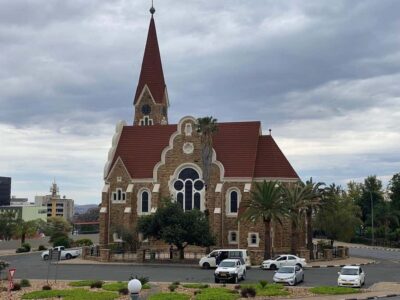
swakopmund city tour dune 7 pink lake pink flamingos
Read our review →
Walvisbay & Coastal Town City Private Local Guided Day Tour for Cruise Ships
Read our review →
Browse the lists this tour appears in