
Reviewed · CITY TOURS
Windhoek: City Tour
Windhoek makes more sense from two angles. This 210-minute tour pairs Christuskirche and central Windhoek with Katutura Township, giving you both the city’s familiar sights and a look at daily life beyond the center. I like the small group limit of four, and I like the final stop at Oshetu Community Market, where the tour moves from sightseeing to local food.
The main consideration is pace. Fifteen minutes at Christuskirche and Parliament Gardens is enough for an introduction, not a long visit. The Katutura section gets close to an hour, but the market stop lasts about 30 minutes, so you should choose this tour for orientation and conversation rather than a slow museum day. Guides including Cliff, Benny, and Nelson have earned especially strong praise for clear explanations and thoughtful answers.
In This Review
- Key points to know before booking
- A useful first look at Windhoek
- Christuskirche in about 15 minutes
- Parliament Gardens and the road to independence
- The National Museum and Alte Feste
- Katutura Township and a more direct look at Windhoek
- Oshetu Community Market and local tasting
- What the $35 price includes
- The guide makes the difference
- Who should book this Windhoek tour?
- Should you book it?
- FAQ
- How long does the Windhoek city tour last?
- What places are included?
- Is hotel pickup included?
- What food can I taste?
- Are drinks and lunch included?
- What is the cancellation policy?
Key points to know before booking
- Two sides of Windhoek: You visit central landmarks, then spend much longer in Katutura Township.
- A small group of four: This makes it easier to ask questions and hear the guide in the air-conditioned minivan.
- Food is part of the experience: The Oshetu Community Market includes tastings of kapana barbecue, mopane worms, mealie pap, and other local foods.
- History gets a full airing: The route covers German and South African rule, Namibia’s independence, and the country’s post-independence period.
- Guides are a major strength: Cliff, Benny, and Nelson are praised for useful facts, stories, and answers about both history and present-day life.
- Good value at $35: Hotel pickup, transport, water, a local guide, and food tastings are included.
A useful first look at Windhoek
Windhoek can be easy to reduce to a few postcard stops. You see a church, a government building, a museum, and perhaps a fort, then move on. This tour gives those places a clearer purpose by linking them to Namibia’s political past and to Katutura, a large township area where more than half of Windhoek’s residents live.
That balance is the strongest reason to book. You get a short city orientation, then time in a part of Windhoek that you might not visit on your own. The result is not a full study of the capital, but it is a practical way to understand how the city is arranged and how its past still shapes everyday life.
The small group matters here. With no more than four participants, you can ask about a street, a building, or a point in Namibia’s independence story without trying to catch a guide’s attention across a crowded vehicle. The tour is conducted in English, and the guides have been praised for making difficult subjects understandable.
More City Tours in Windhoek
- Windhoek: City and Township Tour
★ 4.8 · 430 reviews - Half-Day Windhoek City and Township Cultural Tour
★ 4.5 · 187 reviews - Windhoek City Tour
★ 5.0 · 113 reviews
Christuskirche in about 15 minutes
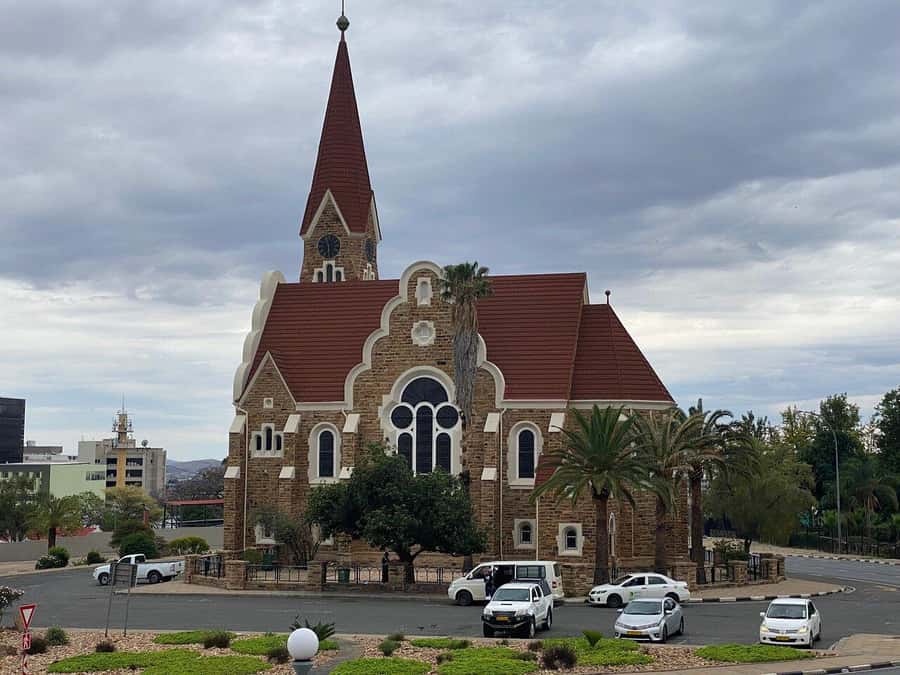
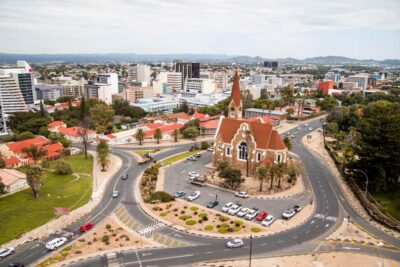
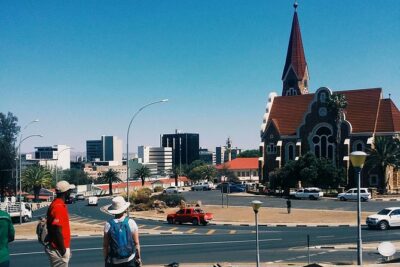
The tour begins at Christuskirche, the city’s most recognizable landmark. Its central location and unusual design make it a natural starting point, especially if this is your first look at Windhoek.
You can expect about 15 minutes here. If the church is open, you can look inside. If it is closed, the guide can still explain the building and its place in the city. The limited time is worth keeping in mind. This is an introduction and photo stop, not a long architectural visit.
I like starting here because the church gives you a quick visual marker for central Windhoek. You can orient yourself around one of the city’s best-known buildings before moving to the political and historical sites nearby. Bring your camera, since the stop is brief and works best when you are ready to look, listen, and move on.
The church also sets up one of the tour’s larger themes: Windhoek contains visible reminders of several periods of rule and public life. The guide helps place the building within that wider story rather than treating it as an isolated sight.
Parliament Gardens and the road to independence
Next comes Parliament Gardens, named for its position near Parliament House. You spend roughly 15 minutes here learning about Namibia’s past and the people who fought for independence.
This part of the tour is short but important. It shifts the focus from architecture to national identity. You hear about the struggle for independence and the people connected with it, including Namibia’s founding president, Dr. Sam Nujoma.
The gardens are also a useful pause between the church and the museum area. You are not simply being driven from one address to another. The guide uses the central district to explain how public spaces, government, and national memory fit together.
You should not expect a long formal lecture. The value comes from having a local guide connect the setting to the country’s political story. Questions are welcome, and the strongest guide feedback centers on this ability to explain both past events and present conditions without losing the thread.
The National Museum and Alte Feste
The tour passes by the National Museum of Namibia, where the focus turns to independence and the country’s direction about 30 years after independence. One review specifically praised the Museum of Independence portion of the visit, so the museum-related stop may be an especially useful part of the city section.
The supplied schedule says you pass by the museum rather than giving a fixed museum entry time. That distinction matters. If you want to spend hours with exhibits, this tour will not replace a separate museum visit. Instead, you get a guided overview of the museum’s subject matter and its connection to Namibia’s national story.
You also pass Alte Feste, a fort linked to further discussion of Namibia’s past. Here, the guide covers the role of German and South African rule before independence. This is where the route gains historical weight, since the buildings and sites point to outside control, conflict, and the long road toward self-government.
I like this part because it prevents the city tour from becoming a simple list of attractive buildings. The guide’s job is to show you why these places matter. Several highly rated comments praise guides for answering questions about both history and current living conditions, which is exactly the sort of context that makes a short city tour worthwhile.
A few more Windhoek trips worth weighing up
- Windhoek: Bushman Walk with the San
★ 4.9 · 145 reviews - 6-Day Dunes and Wildlife Accommodated Safari from Windhoek
★ 5.0 · 123 reviews - 10-Day Namibia Highlights Guided Tour from Windhoek
★ 5.0 · 78 reviews - 12 Day Classic Namibia Camping Safari
★ 5.0 · 77 reviews
Katutura Township and a more direct look at Windhoek
After the central city, the minivan heads into Katutura Township. You spend close to an hour in this broad area, which includes suburbs with different income levels and living conditions.
This is the section that separates the tour from a standard city circuit. You are not only seeing official buildings and historic sites. You are getting an introduction to where more than half of Windhoek’s residents live and to the range of communities within Katutura itself.
The tour does not present Katutura as one single type of place. That is useful, because a large township area cannot be understood through one quick label. The guide explains the different parts and helps you place what you see within Windhoek’s wider social and economic picture.
You should approach this stop with respect and attention. It is not a staged village visit or a quick photo backdrop. The value lies in listening to the guide, asking sensible questions, and understanding that the area includes many different neighborhoods and circumstances.
A guide can make or break this section. Cliff was praised for sharing fascinating and sometimes difficult details about Namibia’s past, while another visit with Nelson was described as full of useful information and stories. Benny also received direct praise for his explanations. Guide assignments can vary, but the repeated strength is the quality of the conversation.
Oshetu Community Market and local tasting
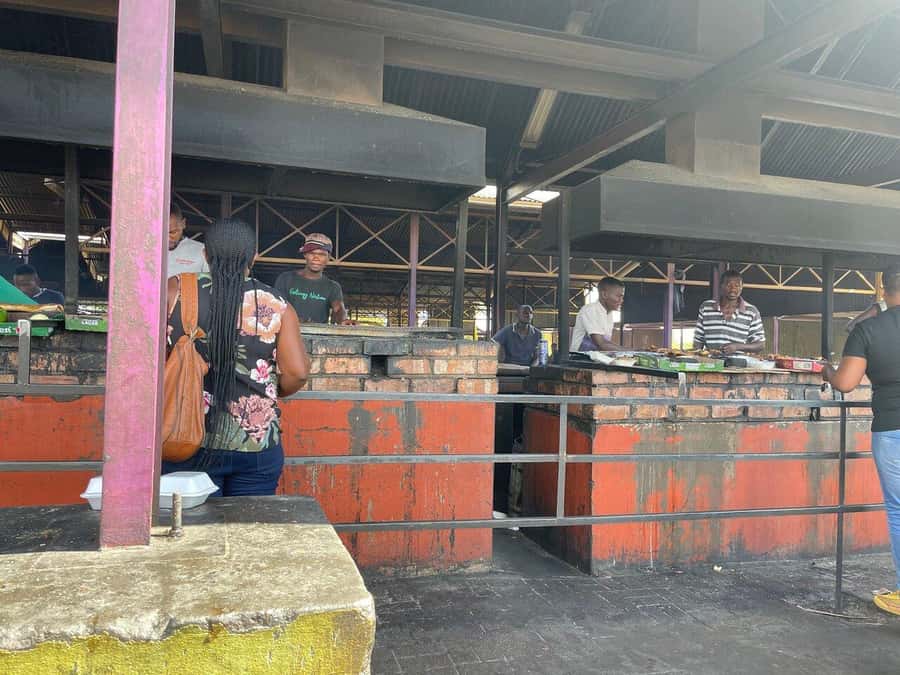
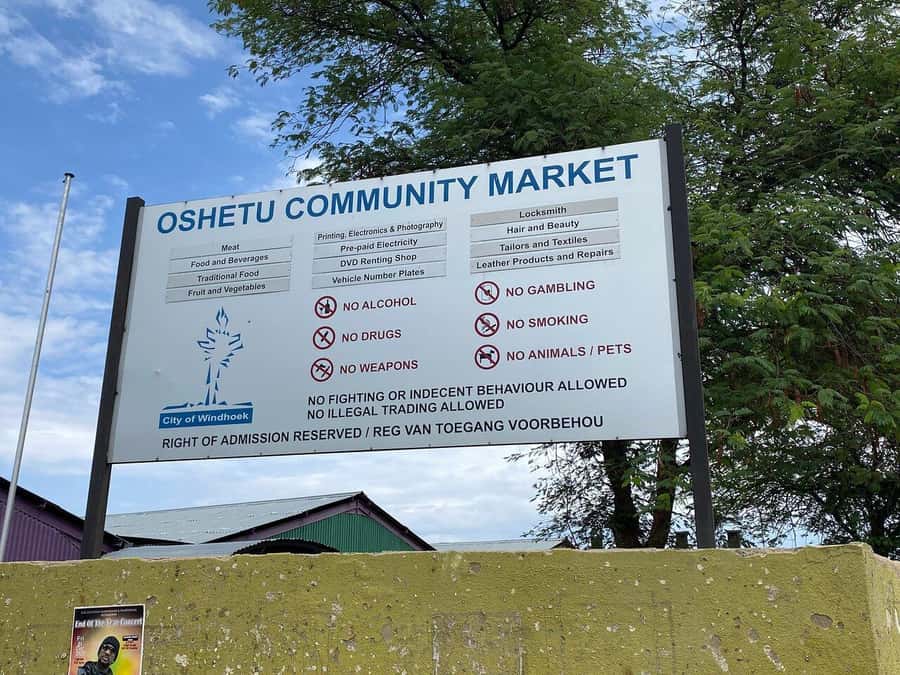
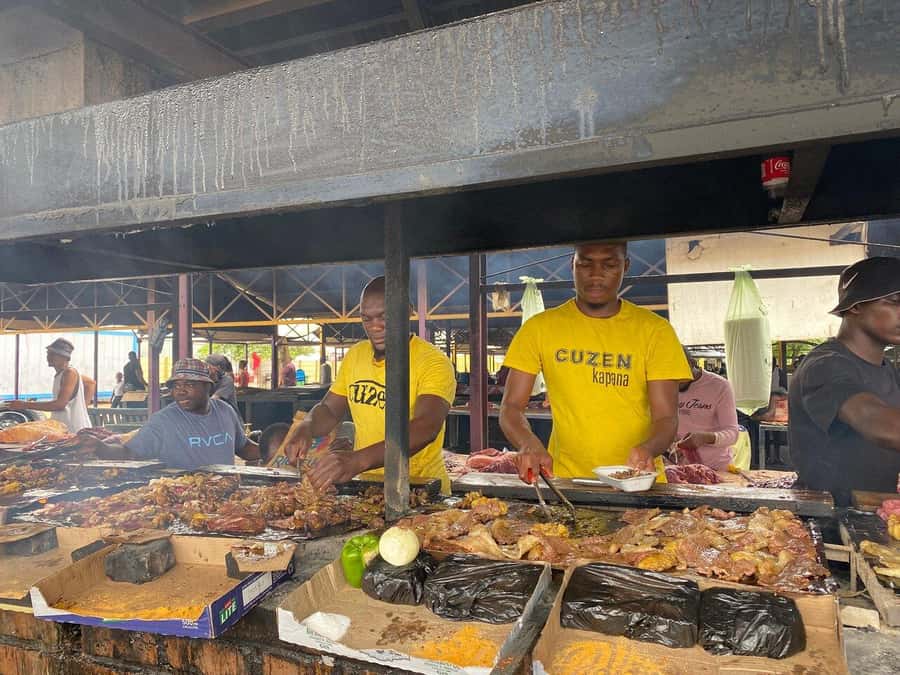
The final stop is Oshetu Community Market, where you spend about 30 minutes. Here, the tour becomes more hands-on, with tastings of local foods such as kapana, a barbecue-style meat dish, mopane worms, and mealie pap.
Kapana is the main draw for many people. It gives you a chance to try food associated with everyday local eating rather than a polished restaurant menu. Mopane worms are included as another local delicacy, while mealie pap offers a familiar staple made from maize.
The tasting is included in the $35 price, but lunch is not. You should also remember that drinks other than the supplied bottle of water are not included. Bring cash if you want to buy anything extra at the market, since cash is specifically recommended.
Thirty minutes is enough to explore and sample food, though it may feel short if you want to browse every stall. The market stop is best understood as a compact introduction. You get a taste, a look around, and a chance to ask the guide about what you are seeing rather than a long unstructured market visit.
I especially like the way this stop finishes the tour. After churches, gardens, museums, forts, and political history, food brings the experience back to ordinary daily life. It also gives you something concrete to remember besides names and dates.
What the $35 price includes
At $35 per person, this is a strong-value half-day outing if you use the included services. The cost covers hotel pickup and drop-off, transport in an air-conditioned minivan, an English-speaking local guide, one bottle of water, food tastings, and all taxes, fees, and handling charges.
The group limit of four improves the value. A larger bus tour might offer similar stops, but it would be harder to ask personal questions or hear detailed explanations. Here, the price pays not only for transport but also for a guide who can connect Windhoek’s landmarks with current life in Katutura.
The price does not cover drinks except water or lunch. That is not a major problem because the tour includes food tasting, but you should carry cash for extra market purchases and any beverages you want. You also need to bring a hat, especially since the tour includes outdoor stops.
The tour lasts 210 minutes, or three and a half hours. That is long enough to cover the central sights and Katutura without taking up an entire day. If your schedule includes a safari departure, airport transfer, or another booked activity, check the start time carefully before reserving.
Hotel pickup and drop-off make the tour simple for you. You need to wait at your hotel reception or designated waiting area. Exact starting times depend on availability, so check the schedule when booking.
The guide makes the difference
The route is useful, but the guide is the real reason to choose a small-group format. Windhoek’s history includes German and South African rule, the independence struggle, and the country’s life after independence. A guide who can explain those changes in plain language adds far more than a driver who points at buildings.
Cliff receives especially warm praise for historical explanations and for answering questions about current life. Nelson is credited with putting together a tour filled with stories and useful information. Benny is also singled out for being a strong and informed guide.
Those names help set expectations, but you may be assigned someone else. The consistent point is that the experience depends on live explanation. If you prefer to explore each site at your own speed, take your own photos for as long as you like, and read every display without interruption, a private visit to individual sights may suit you better.
If you enjoy asking why a building matters, how independence changed the country, or how central Windhoek differs from Katutura, this format should work well. The small group gives you room to make the tour more personal.
Who should book this Windhoek tour?
I would choose this tour if you have limited time in Windhoek and want more than a central-city checklist. It is a good fit for a first visit, especially if you want an overview before returning to a museum or historic site on your own.
It also suits you if local food matters. The Oshetu market tasting gives the outing a strong finish, and the chance to try kapana, mopane worms, and mealie pap adds a sensory side that a monument-only tour cannot provide.
The tour is less suitable if your main goal is long, quiet time inside museums or churches. The church and Parliament Gardens each receive about 15 minutes, and the National Museum and Alte Feste are passed by as part of the wider explanation. You should also think carefully about the Katutura visit if you want only conventional sightseeing.
Free cancellation up to 24 hours before the start and reserve-now, pay-later booking add useful flexibility. They do not change the content of the tour, but they help if your Namibia plans are still moving around.
Should you book it?
Book this tour if you want Windhoek explained, not merely photographed. For $35, you get a small group, transport, hotel pickup, a guide, key central sights, a substantial Katutura visit, and food tasting at Oshetu Community Market.
The best reason to go is the combination of history and present-day life. You see Christuskirche, Parliament Gardens, the National Museum area, and Alte Feste, then spend close to an hour learning about Katutura. That range gives you a more useful first picture of the capital.
Skip it only if you want a slow museum tour or a full meal rather than tastings. For most first-time visitors with three and a half hours to spare, it is a practical and fairly priced introduction, made stronger by guides such as Cliff, Benny, and Nelson.
FAQ
How long does the Windhoek city tour last?
The tour lasts 210 minutes, or three and a half hours.
What places are included?
The route includes Christuskirche, Parliament Gardens, the National Museum area, Alte Feste, Katutura Township, and Oshetu Community Market.
Is hotel pickup included?
Yes. Hotel pickup and drop-off are included, and you should wait at your hotel reception or designated waiting area.
What food can I taste?
The tasting can include kapana barbecue, mopane worms, mealie pap, and other local delicacies.
Are drinks and lunch included?
One bottle of water per person is included. Other beverages and lunch are not included.
What is the cancellation policy?
You can cancel up to 24 hours in advance for a full refund. You can also reserve now and pay later.
Just added around Windhoek
- Knight Vibes: Bars, Shebeen, Clubs Crawl Windhoek★ 5.0 · 3 reviews
- 10 DAYS BEAUTY OF NAMIBIA | Guided Lodge★ 5.0 · 3 reviews
- From Windhoek: 3-Day Sossusvlei Shared Shuttle Tour★ 3.8 · 3 reviews
- 3 day Sossusvlei Camping★ 5.0 · 3 reviews
- Windhoek: Katutura Township Tour with Local Guide★ 3.5 · 3 reviews
- Windhoek: City & Township tour. Vehicle, guide, kapana★ 4.2 · 4 reviews
- Airport Transfers★ 5.0 · 5 reviews
- Predator Encounter: Half-Day Carnivore Feeding Windhoek★ 4.0 · 5 reviews
City Tours, compared.
Half-Day Windhoek City and Township Cultural Tour
Read our review →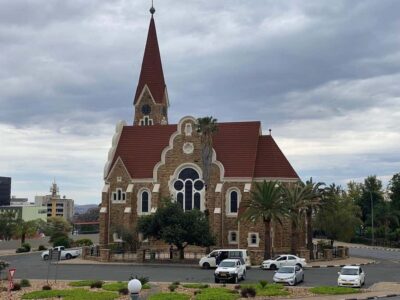
swakopmund city tour dune 7 pink lake pink flamingos
Read our review →
Walvisbay & Coastal Town City Private Local Guided Day Tour for Cruise Ships
Read our review →
Browse the lists this tour appears in