
Reviewed · CITY TOURS
Best City Tour of Windhoek
Start with Windhoek’s stories, not just its streets. This private half-day outing gives you a useful first look at Namibia’s capital, combining major sights with museums and a local township visit. I like the private format, which lets you ask questions and set the pace, and I like the chance to taste Kapana meat, a local specialty, rather than spend the whole morning behind a coach window.
The tour also includes several worthwhile stops, from Christuskirche and the Kudu Statue to the National Museum and Trans-Namib Railroad Museum. My main caution is timing: the advertised three to four hours is tight for four one-hour stops, so you should confirm the exact schedule and pickup details before setting out. One five-star account specifically praised a guide named Merron, while another guest found the guide unable to answer basic questions about Windhoek and its past.
In This Review
- Key points to know before booking
- Why this is a useful first morning in Windhoek
- Starting with Namibia at the National Museum
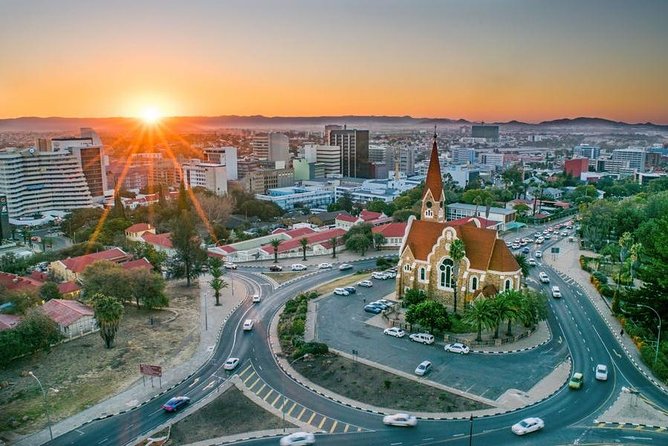
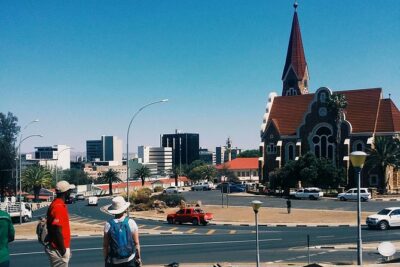
- Christuskirche and the center of Windhoek
- Railways and the Trans-Namib Railroad Museum
- Meeting local life through Nande Explorer
- A quick photograph at the Kudu Statue
- How the guide can make or break the morning
- Who gets the best value from $55.75
- Should you book the Best City Tour of Windhoek?
- FAQ
- Where does the tour take place?
- What time does the tour start?
- How long does the tour last?
- Is pickup offered?
- Is this a private tour?
- What is included in the price?
- What museums are visited?
- Can I cancel for a full refund?
Key points to know before booking
- Private sightseeing: Your group travels on its own, with a guide focused on your questions and interests.
- Museum-heavy route: The National Museum of Namibia and Trans-Namib Railroad Museum add useful context beyond photo stops.
- Local food included: You receive bottled water and Kapana meat during the experience.
- A look beyond central Windhoek: Nande Explorer Cultural Township Tours brings local community life into the morning.
- Three to four hours: The compact schedule works well for a first orientation, but the stated timing may require a brisk pace.
- $55.75 per person: The price is reasonable for a private outing with admissions included, especially if your group values personal attention.
Why this is a useful first morning in Windhoek
Windhoek can feel easier to understand once you have seen its main landmarks and heard how its past shaped the city. This tour gives you that basic framework without asking you to plan several separate visits or work out local transport between them.
You meet at 9:00 a.m., and pickup is offered. That matters if you have just arrived and do not yet know the city well. A private guide can also make the morning less rigid than a large group excursion, although the quality of the experience will depend heavily on the guide assigned to you.
At $55.75 per person, the cost is not the cheapest way to see a few city monuments. It becomes better value if you use the museum admissions, ask plenty of questions, and appreciate having transport and a private guide arranged together. Solo visitors may find the price harder to justify, while couples, families, or small groups can spread the private-tour cost across several people.
The tour includes bottled water and Kapana meat. That is a small but welcome touch, particularly in a warm, dry city where you may not want to spend the morning searching for refreshments. The food also gives the outing a local note that a standard monument circuit often lacks.
One practical issue deserves attention. The schedule describes a three to four-hour tour, yet four listed stops are each given about one hour. Add pickup, driving, and the Kudu Statue, and the arithmetic becomes tight. You may spend less time at some places than the description suggests, or the day may run longer. Ask the operator how the stops are divided before booking if you have an afternoon flight or another fixed plan.
More City Tours in Windhoek
- Windhoek: City and Township Tour
★ 4.8 · 430 reviews - Half-Day Windhoek City and Township Cultural Tour
★ 4.5 · 187 reviews - Windhoek City Tour
★ 5.0 · 113 reviews
Starting with Namibia at the National Museum
The National Museum of Namibia is the strongest place on this route for putting the city into context. Its displays cover Namibia from prehistoric times through the modern period, so you get more than a quick introduction to Windhoek itself.
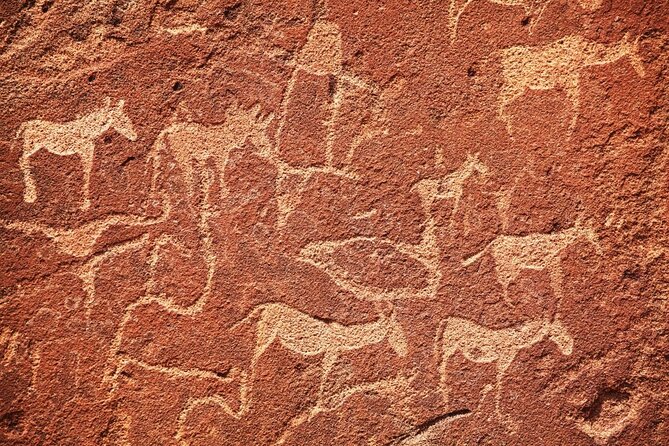
You can expect exhibits on indigenous cultures, including San art and tools, along with archaeological and ethnographic objects. These displays help explain that Namibia is not simply a country of dramatic scenery and wildlife. Its human story reaches back long before the colonial period.
The museum also addresses German colonial rule and Namibia’s later path to independence. That section is especially valuable because central Windhoek contains buildings and monuments linked to different periods of the country’s past. Without some background, it is easy to see old stonework as decoration rather than evidence of complicated political change.
Natural history has a place here too. Geological specimens, minerals, and fossils connect Namibia’s human story to its very old earth history. If you are more interested in animals, rocks, or archaeology than formal city sightseeing, this may be the stop that gives the tour its most substance.
The planned visit is about one hour, with admission included. That is enough for an introduction, but not enough to read every display at leisure. I would treat this as a guided orientation rather than a full museum visit. Pay attention to the exhibits your guide explains, then return later if one subject catches your interest and your schedule allows.
Christuskirche and the center of Windhoek
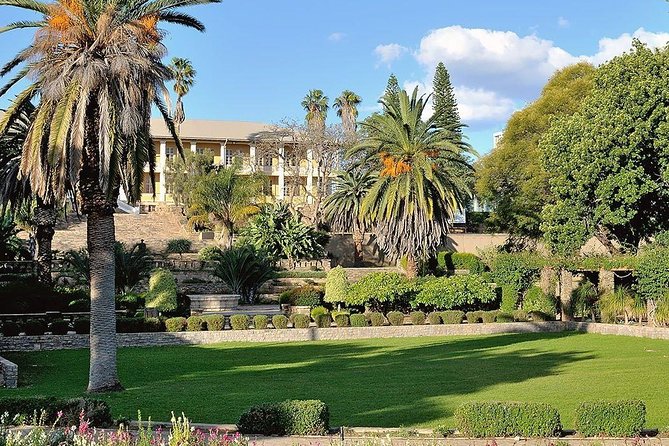
Christuskirche is one of Windhoek’s best-known landmarks and an obvious stop on a first city tour. It gives you a strong visual reference point in the center and helps anchor the surrounding sights.
The church is included as an admission stop, with about an hour assigned to it. The description provided for the experience contains some conflicting location and architectural information, referring to Wiesbaden in Germany rather than Windhoek. That detail should not be treated as a guide to what you will see in Namibia. The useful point is simply that Christuskirche is a central Windhoek landmark included in the route.
This is where a good guide matters. A building visit becomes much more meaningful when someone explains how it fits into the city’s colonial past, public life, and present-day identity. The mixed guide feedback makes that worth emphasizing. Merron received specific praise for making the city enjoyable and recommending the tour, but another guest said the assigned guide offered little explanation and could not answer questions about Windhoek or its past.
Go prepared with a few questions. You might ask how the church relates to other central monuments, what changes Windhoek has seen since independence, or which nearby buildings are worth revisiting. If your guide can connect the church to the wider city, this stop should feel more than a quick photograph.
The church is also near other central cultural sites, according to the tour description. That makes it a convenient point for getting your bearings, even if your time inside is shorter than the full hour shown in the schedule.
Railways and the Trans-Namib Railroad Museum
The Trans-Namib Railroad Museum adds a different angle to Windhoek. Instead of focusing on religion, politics, or national identity, it shows how rail transport helped shape Namibia’s economy and infrastructure.
The collection includes locomotives, carriages, and railway objects connected with German, South African, and British periods. The railway system began developing in the late nineteenth century during German colonial rule, and rail links later helped move minerals and farm products between distant parts of the country.
That makes this a useful stop even if you are not a train enthusiast. Railways tell you how a country was connected, where economic power flowed, and why certain towns grew. A locomotive or carriage can sometimes explain a period of history more clearly than a row of dates.
The museum was established in the early 1990s, and it serves as an educational resource on Namibia’s rail system. The planned visit lasts about an hour and admission is included.
I would pay attention to how the guide handles the colonial and economic material. The railway story is not only about machines. It also raises questions about who built the system, who benefited from it, and how transport supported outside rule and later national development. If your guide gives clear answers, this could be one of the most rewarding stops on the route.
If the morning is running late, this is another place where you may face a choice between a quick walk-through and a fuller visit. Since the route also includes a township experience and food, ask whether the railroad museum receives its full scheduled time.
A few more Windhoek trips worth weighing up
- Windhoek: Bushman Walk with the San
★ 4.9 · 145 reviews - 6-Day Dunes and Wildlife Accommodated Safari from Windhoek
★ 5.0 · 123 reviews - 10-Day Namibia Highlights Guided Tour from Windhoek
★ 5.0 · 78 reviews - 12 Day Classic Namibia Camping Safari
★ 5.0 · 77 reviews
Meeting local life through Nande Explorer
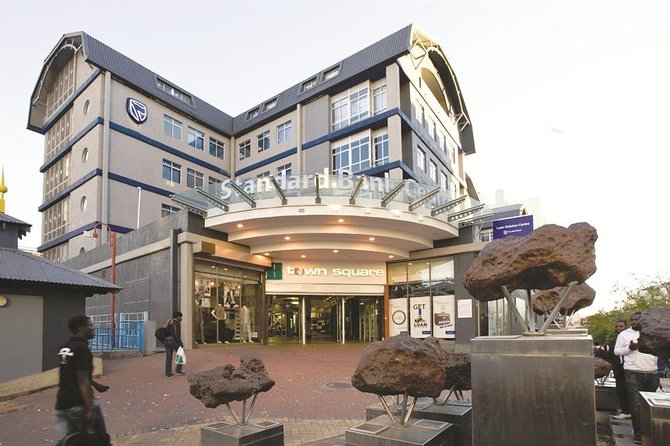
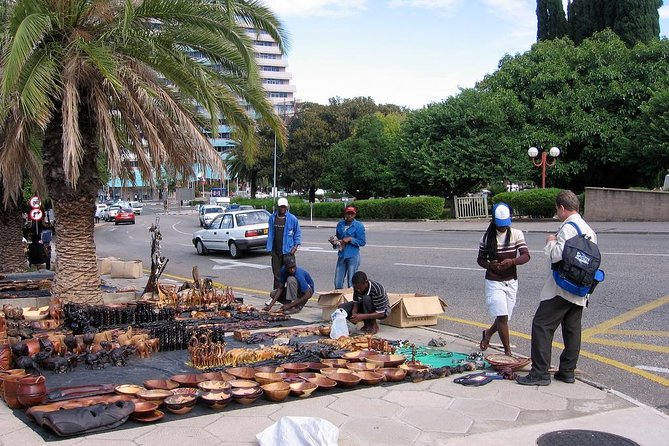
Nande Explorer Cultural Township Tours changes the tone of the morning. The central museums and monuments show official stories through buildings and collections. The township visit is intended to show community life, local traditions, food, music, art, and storytelling.
The experience may include a craft market, traditional performances, local dishes, and conversations with artisans or performers. The information supplied does not promise that every one of these activities will happen on every departure, so you should see them as possible elements rather than a fixed performance schedule.
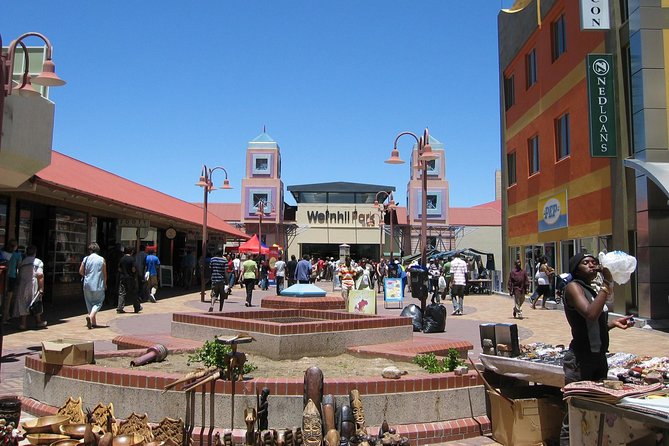
This stop matters because it gives you a chance to understand Windhoek beyond its formal center. You may see how cultural traditions are shared, how local businesses operate, and how community-based tourism can direct spending toward residents. That is a more personal form of sightseeing than simply ticking off monuments.
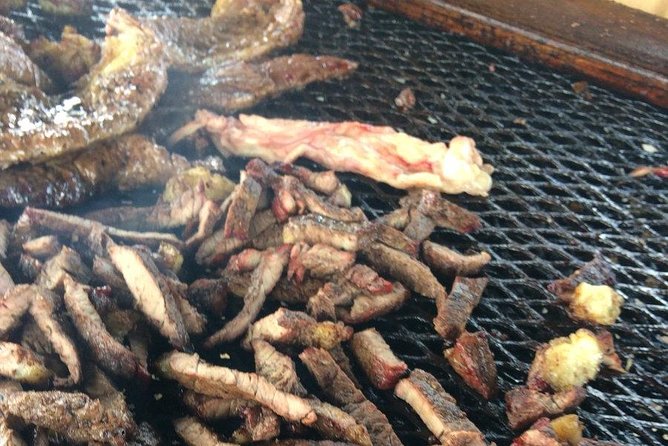
The tour also includes Kapana meat. The description identifies it as included along with one bottle of water, making it one of the clearest practical benefits of this part of the morning. Food can be an effective way to connect a city visit with everyday life, though the exact portion and serving arrangement are not specified.
Keep an open mind about the pace and setting. This is not presented as a polished restaurant meal or a staged museum display. It is meant to connect you with local culture and community life. Ask before taking photographs, listen carefully, and allow your guide to explain what you are seeing.
The township visit is listed as about one hour. That is enough for an introduction but not a full picture of community life. The quality will again depend on the guide’s ability to explain context rather than simply move you from one activity to the next.
A quick photograph at the Kudu Statue
The Kudu Statue is a short city landmark stop at the corner of Independence Avenue. The bronze antelope, with its distinctive spiral horns, points to Namibia’s wildlife and conservation identity.
This is likely to be a brief outdoor pause rather than a long sightseeing visit. You can photograph the statue, look at the detail in the sculpture, and use the location to notice nearby shops, cafés, and other central sites.
The Kudu is a fitting symbol for a Windhoek tour because it connects the capital with the animals and open spaces for which Namibia is known. Still, do not expect the statue alone to occupy a full hour. Its value comes from the explanation around it and from how it helps you locate yourself in the city.
If you have free time after the tour, the area offers a practical starting point for further independent exploration. The supplied details do not specify particular shops or cafés, so consider this a general orientation rather than a promised food or shopping stop.
How the guide can make or break the morning
A private tour gives you the chance to ask questions, but privacy does not automatically guarantee strong commentary. The experience has received an overall rating of 4.2 from 10 ratings, with especially positive praise for Merron. That name is worth noting when you contact the operator, though you should not assume Merron will be assigned to every departure.
One guest had the opposite experience, describing a guide who knew little about Windhoek and its past and could not answer questions. That is a serious concern on a city tour built around history and interpretation. The buildings themselves are easy to photograph. The guide’s explanation is what you are paying extra for.
Before the tour, prepare a short list of questions. Ask about the city’s colonial buildings, the route to independence, the role of the railway, and how the township visit fits into present-day Windhoek. A guide who welcomes questions can turn a simple morning drive into a useful introduction.
You can also ask how much time will be spent inside each museum, whether the Kudu Statue is a brief photo stop, and how Kapana meat will be served. These questions are not fussy. They help you match the tour to your interests and avoid surprises caused by the tight schedule.
Who gets the best value from $55.75
I see the best value here for a first-time visitor with only part of a day in Windhoek. You get a city overview, two museums, a church, a public monument, a township experience, water, food, and a private guide in one booking.
It also suits couples, families, and small groups who prefer not to share a vehicle or wait for a large party. The private format means you can ask for more explanation at a museum or move on when a stop has given you enough.
History-minded visitors should appreciate the National Museum and the railroad collection. People curious about local food and community life may find the Nande Explorer visit more memorable than another standard monument stop.
I would be less certain about the value for someone who wants a slow museum day. The advertised three to four hours cannot comfortably allow a full hour at every listed stop, plus transport and food. You may prefer to visit one museum independently if you want time to read everything.
The experience is described as suitable for most people, and no special participation restriction is given. It requires good weather, and a minimum number of participants may apply despite the private format. If weather or minimum participation causes cancellation, you are offered another date or experience, or a full refund.
Free cancellation is available up to 24 hours before the 9:00 a.m. start. Cancel later than that, or make changes inside the 24-hour window, and the amount paid is not refunded. The cut-off uses Windhoek local time, so check the clock carefully if you are arranging the tour from another time zone.
Should you book the Best City Tour of Windhoek?
Book it if you want a single private introduction to Windhoek and value variety over a slow, detailed museum visit. The combination of landmarks, national history, railways, township culture, and Kapana meat gives the morning more range than a simple drive around the center.
I would book with two conditions. First, confirm the actual timing because the stated schedule looks crowded. Second, ask about the guide and request strong historical commentary if possible. Merron’s praise suggests that an excellent guide can make this a very good city introduction, while the weaker account shows the risk when the commentary falls short.
For a short stay, the tour is a sensible way to get oriented and decide what deserves a second visit. For a longer stay, use it as a first look, then return independently to the museum or central sights that catch your attention.
FAQ
Where does the tour take place?
The experience takes place in Windhoek, Namibia, and includes central landmarks, museums, a township cultural visit, and the Kudu Statue.
What time does the tour start?
The stated start time is 9:00 a.m.
How long does the tour last?
The expected duration is approximately three to four hours.
Is pickup offered?
Yes, pickup is offered.
Is this a private tour?
Yes. Only your group participates in the private activity.
What is included in the price?
The experience includes bottled water and Kapana meat. Admission tickets for the listed museum and church stops are included.
What museums are visited?
The route includes the National Museum of Namibia and the Trans-Namib Railroad Museum. The tour information also refers to the Owela Museum, but the detailed stop schedule does not list it as a separate stop.
Can I cancel for a full refund?
Yes, if you cancel at least 24 hours before the experience start time. Cancellations or changes made less than 24 hours before the start are not refunded.
Just added around Windhoek
- Knight Vibes: Bars, Shebeen, Clubs Crawl Windhoek★ 5.0 · 3 reviews
- 10 DAYS BEAUTY OF NAMIBIA | Guided Lodge★ 5.0 · 3 reviews
- From Windhoek: 3-Day Sossusvlei Shared Shuttle Tour★ 3.8 · 3 reviews
- 3 day Sossusvlei Camping★ 5.0 · 3 reviews
- Windhoek: Katutura Township Tour with Local Guide★ 3.5 · 3 reviews
- Windhoek: City & Township tour. Vehicle, guide, kapana★ 4.2 · 4 reviews
- Airport Transfers★ 5.0 · 5 reviews
- Predator Encounter: Half-Day Carnivore Feeding Windhoek★ 4.0 · 5 reviews
City Tours, compared.
Half-Day Windhoek City and Township Cultural Tour
Read our review →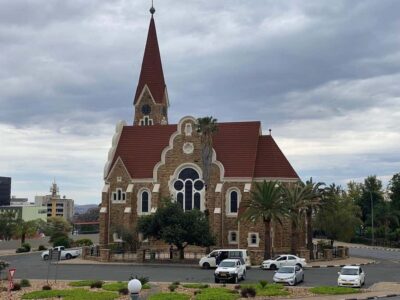
swakopmund city tour dune 7 pink lake pink flamingos
Read our review →
Walvisbay & Coastal Town City Private Local Guided Day Tour for Cruise Ships
Read our review →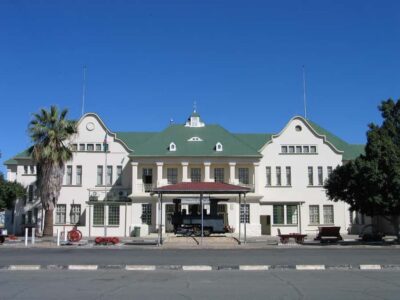
Browse the lists this tour appears in