
Reviewed · SAFARI
6-Day Dunes and Wildlife Accommodated Safari from Windhoek
Namibia packs a lot into six days. This small-group trip links Etosha’s game drives, the Skeleton Coast, and the Namib Desert without asking you to drive long rural roads yourself. I especially like the excellent route variety and the chance to sleep near Etosha’s floodlit waterhole, then wake for sunrise among the dunes.
I also like that the price, $2,127.99 per person, covers five nights, most meals, park activities, a custom safari vehicle, and an English-speaking guide. The main caution is the pace: long hours in the vehicle and a fixed group schedule can feel tiring if you prefer slow mornings or lots of free time.
In This Review
- Key reasons to consider this Namibia safari
- Why this six-day route works
- Day 1: Windhoek to Etosha and the Halali waterhole
- Day 2: A full Etosha day and the great salt pan
- Day 3: Damaraland, local markets, and the Zeila wreck
- Day 4: Swakopmund, desert passes, and Desert Camp
- Day 5: Deadvlei, Sossusvlei, and the climb up Big Daddy
- Day 6: Cheetah conservation near Solitaire
- What the $2,127.99 price includes
- The group pace and physical demands
- Who should book this trip?
- Should you book the Dunes and Wildlife safari?
- FAQ
- Where does the tour start and finish?
- What time does pickup begin?
- How many people can join the tour?
- What accommodation is provided?
- Are meals included?
- Is the tour suitable for children?
Key reasons to consider this Namibia safari
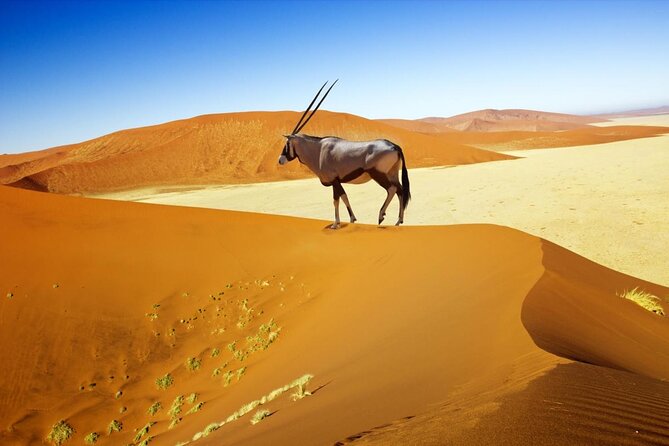
- Etosha in two different moods: An afternoon game drive and a full day in the park give you a good chance to spot wildlife and see the huge Etosha Pan.
- A rare coast-to-desert route: You travel from wildlife country through Damaraland and the stark Skeleton Coast before reaching the red dunes of Sossusvlei.
- A useful small-group size: The vehicle holds no more than 12 people, which is far more personal than a large coach.
- Strong accommodation planning: Each night puts you near the next day’s main sight, including Halali, Etosha Village, Swakopmund, and Desert Camp.
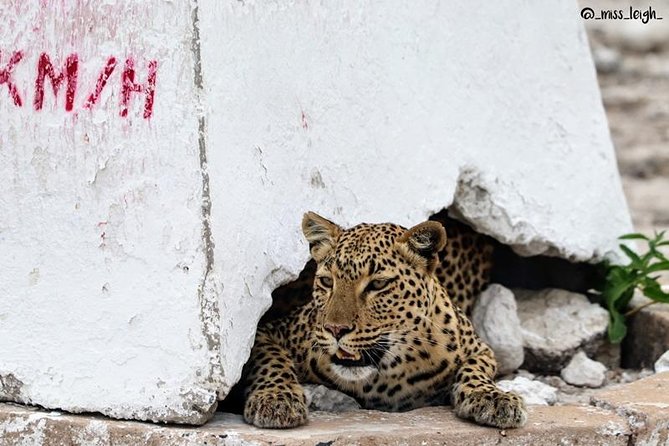
- Two memorable animal encounters: You may see wild predators in Etosha, then learn about cheetah conservation near Solitaire.
- Meals reduce daily planning: Breakfast, lunch, and four dinners are included, though drinks, snacks, and optional activities cost extra.
Why this six-day route works
Namibia is huge. The major sights are scattered across a country of long distances, gravel roads, small settlements, and limited services. This trip makes sense if you want the headline sights but do not want to manage fuel, directions, park gates, lodging, and vehicle problems on your own.
The route also gives you a useful contrast. Etosha is about watching animals gather around water and crossing pale open ground. The Skeleton Coast feels spare and exposed, with shipwrecks and ocean air. The Namib Desert brings towering dunes, cracked clay, and strong dawn light.
You will not see every corner of Namibia in six days. You will spend some days on the road, and the schedule leaves little room for a missed connection or a leisurely side trip. But the route is well chosen for a short visit.
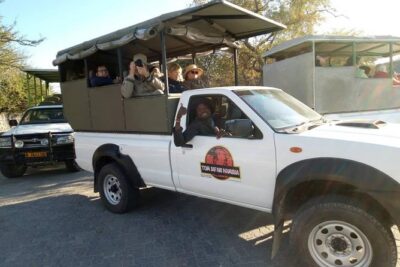
The group limit is 12 people, and transport is in a custom-built, air-conditioned safari vehicle with a pop-up roof. That roof matters in Etosha, where sitting higher can improve your view. Air conditioning matters just as much on long drives between destinations.
Pickup is offered within Windhoek city limits. The meeting point is Chameleon Safaris on Ferry Street, with the start listed around 7:00 a.m. The detailed schedule gives pickup at about 7:15 a.m., so I would treat this as an early start and arrive ready before breakfast if needed.
More Wildlife Trips:
- 9 Day Canyons, Dunes & Wildlife Camping and Lodge Safari
★ 4.5 · 23 reviews - Swakopmund: Little Five Desert Wildlife Quad Biking Tour
★ 4.8 · 123 reviews - Wildlife and Landscape Tour- full-day (7hours) from Walvis Bay
★ 5.0 · 5 reviews
Day 1: Windhoek to Etosha and the Halali waterhole
The first day is mostly a transfer into northern Namibia. You meet at the Chameleon Safaris office, then travel toward Etosha National Park, reaching Anderson Gate at about 2:00 p.m.
That timing gives you an afternoon game drive rather than a rushed arrival at the lodge. You continue through the park toward Halali, watching for wildlife along the way. The drive is not just a way to get somewhere. In Etosha, animals can appear beside the road with no warning, so the trip into camp becomes part of the safari.
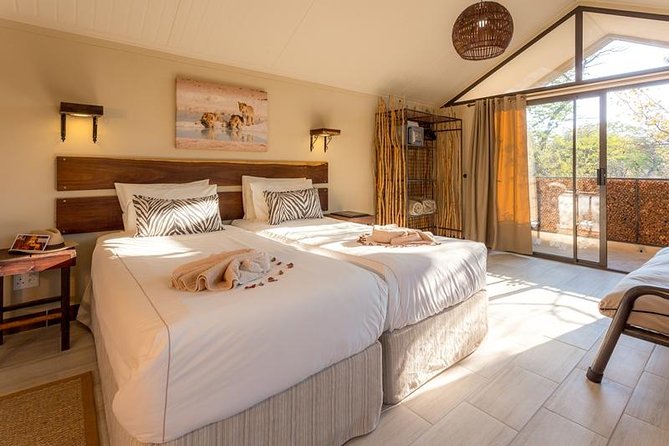
Accommodation at Halali is in twin-share rooms with en-suite bathrooms. The most useful tip here is to visit the floodlit waterhole before and after dinner. A waterhole can reward patience, and the light allows you to watch after sunset without driving back into the park.
I would not expect the first afternoon to deliver every major sight. Wildlife is unpredictable. The value comes from entering Etosha early enough to begin looking, rather than spending the entire day on the road and arriving after dark.
If you need a private room, check the arrangements before booking. The stated setup is twin share, and this is a group trip, not a private safari.
Day 2: A full Etosha day and the great salt pan
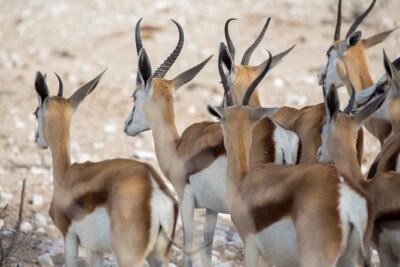
Day two is the strongest wildlife day of the trip. Morning drives focus on predators, followed by another drive toward Etosha Pan. You should plan for a long, dusty day with early movement, repeated stops, and plenty of time looking across open ground.
Etosha Pan is the feature that gives the park its name. This vast salt pan changes the feel of the park completely. It is not a forest or a dense game area. Instead, the open white and gray expanse makes animals easier to notice when they appear, while the scale can make you feel very small.
The tour description highlights flamingos and the pan as a mass breeding area. Their presence depends on conditions, so you should see the pan as a special possibility rather than a guarantee. The same applies to predators. You might find lions, cheetahs, or other hunters, but no guide can promise a sighting.
A stop at Okaukuejo gives you a break after the full day in the vehicle. You can stretch your legs, climb the tower, buy a cold drink, and use the bathroom. Small comforts matter on safari. A half-hour stop can reset your mood before the final drive out of the park.
You leave Etosha shortly before sunset and continue to Etosha Village for the night. This arrangement keeps the safari day full while placing you near the next route south. It also means you will not have another evening at an Etosha waterhole, so make the most of Halali on night one.
Day 3: Damaraland, local markets, and the Zeila wreck
Day three is the longest road day. The route passes through rural Namibia and Damaraland before reaching the Atlantic coast. I would prepare for about five hours of major driving, with additional time for stops, meals, and local visits.
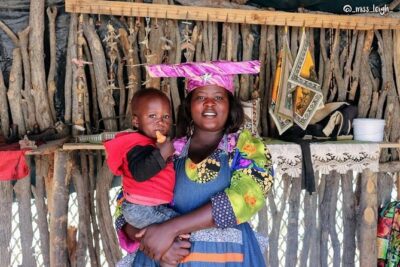
The cultural stops are an important part of the trip. You may meet Herero, Damara, and Himba people, visit small markets, and learn more about daily life in the communities along the route. Buying something at a local market can be a direct way to support the people you meet, but take your time and approach these encounters with respect. They should be more than quick photo stops.
A one-hour Himba village experience is included. The schedule also mentions contact with Herero and Damara communities, so the exact balance of visits may depend on the day and route conditions. I appreciate this part of the program because it adds human context to a trip otherwise focused on animals and scenery.
Lunch is taken by the roadside, which tells you something about the style of the journey. You are not moving from one polished restaurant to another. The day is practical, direct, and tied to the remote places you are crossing.
The Zeila Shipwreck is a striking coastal stop. The wreck sits along the Skeleton Coast, a name that fits the region’s harsh reputation. You get a short visit rather than an extended coast expedition, but the shipwreck gives the drive a clear focal point.
You finish in Swakopmund, a town where you can walk around after checking in. This is a welcome change after the road. You have time to explore on foot before dinner, though the schedule does not promise a long free evening.
A few more Windhoek trips worth weighing up
- 6 Day Sand, Sea & Etosha Budget Camping Safari
★ 5.0 · 36 reviews - 6 Day Private Guided Accommodated Namibian Loop
★ 5.0 · 6 reviews - 6 DAYS ETOSHA,SWAKOPMUND & SOSSUSVLEI- NAMIBIA (Lodging)
★ 4.5 · 4 reviews
Day 4: Swakopmund, desert passes, and Desert Camp
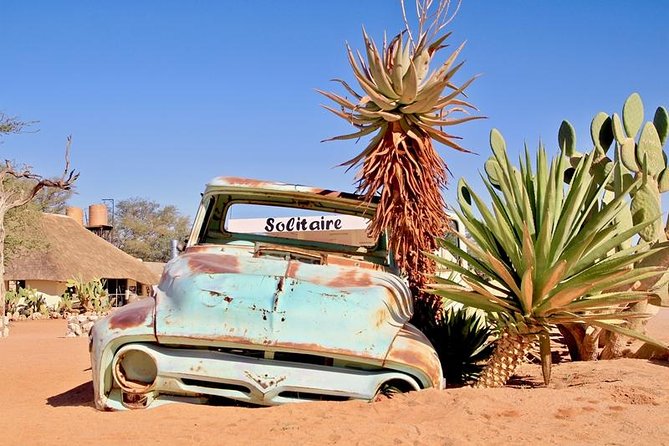
Swakopmund offers an optional activity in the morning, including sand boarding in the nearby coastal dunes. This is not part of the included price, so you should budget extra if you want to add it. The schedule gives a pickup around 11:15 a.m. for the onward journey, which leaves some morning time but not an unlimited window.
After a pre-departure talk, you travel through Kuiseb Pass and Gaub Pass, continuing toward Solitaire and camp. These passes make the road day more interesting than a straight transfer, but it remains another day with substantial time in the vehicle.
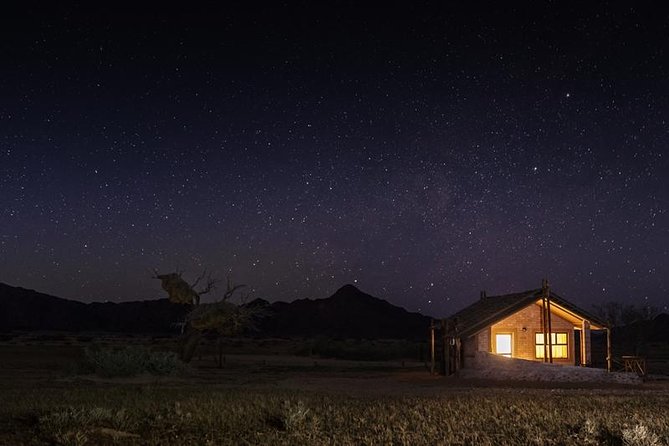
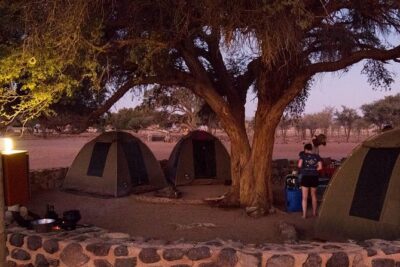
You reach Desert Camp in the late afternoon. The setup is useful: arrive, settle in, enjoy the views, and take a short sunset walk overlooking the Naukluft Mountain range. After two demanding days, this quieter evening helps you shift from the coast to the desert.
The accommodation is selected for access to the next morning’s Sossusvlei visit. That location choice is valuable because day five starts before sunrise. You are not wasting the best light on a long approach from far away.
Still, do not mistake the short walk for a full desert hike. The major walking comes the next morning at Deadvlei and Big Daddy Dune. Day four is mainly about reaching camp, enjoying the open setting, and resting.
Day 5: Deadvlei, Sossusvlei, and the climb up Big Daddy
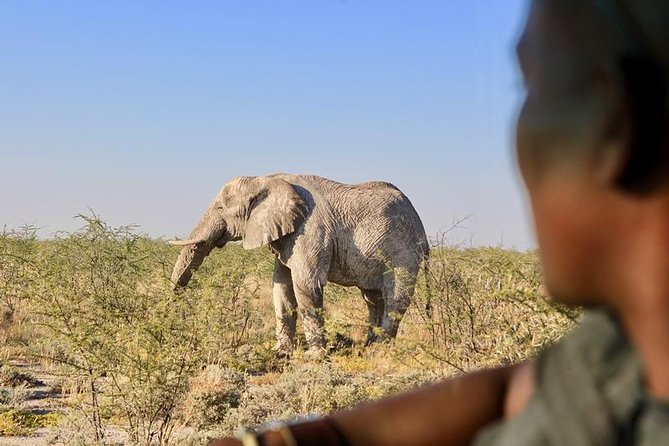
Day five begins at dawn. The early start is not optional in spirit, even if the exact timing can vary. Sunrise gives the dunes their strongest color and helps you avoid the worst heat during the walks.
The route enters the park and follows an ancient riverbed bordered by tall dunes. You drive roughly 55 kilometers to the 2×4 parking area, then transfer into a 4×4 shuttle for the final section into the Sossusvlei region. That shuttle is an important practical detail. You are not expected to take the tour vehicle across the soft sand.
Deadvlei is the visual centerpiece. Its bleached, cracked clay floor and dark camel thorn trees create a sharp contrast with the surrounding dunes. The trees are skeletal and striking, but the site is not only a photo stop. Walking across the dry clay gives you a feel for the scale and dryness of the Namib.
You have about two hours to explore Deadvlei, followed by an optional one-hour climb of Big Daddy Dune. The climb is for people with plenty of energy. Sand makes every step harder, and the route can feel much longer than the clock suggests. You do not have to climb it to enjoy the area. The views from lower on the dune are still impressive.
From Deadvlei, you continue to Sossusvlei, where you walk around before brunch. The two places are often grouped together, but they offer different experiences. Deadvlei is defined by cracked clay and dead trees. Sossusvlei is a broad clay pan framed by dunes, with more room to take in the surrounding desert.
On the return drive, you stop at Dune 45 for photographs. This is one of the most recognizable dunes in the region, and the stop gives you another angle on the desert colors. It is a shorter visit, not another major climb.
The final stop is Sesriem Canyon. You can climb down into the canyon and see the narrow geological formation that once provided permanent water for local wildlife. After the enormous scale of the dunes, the canyon feels compact and textured. It is a good final stop because it changes the rhythm of the day.
This is the tour’s most demanding day. You need moderate physical fitness, sturdy shoes, sun protection, and enough water. Tap water is supplied, but drinks are otherwise not included, so bring a refillable bottle and buy extra water if needed.
Day 6: Cheetah conservation near Solitaire
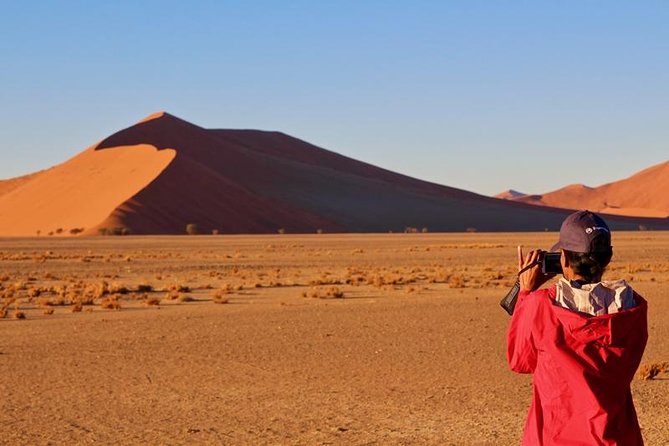
The final morning begins with breakfast before the journey to Solitaire. There, you board an open vehicle for a one-hour visit to a local conservation project.
The cheetahs in this program cannot be released for different reasons. The activity focuses on learning about the animals, the conservation work, and the challenges faced by cheetahs in care. You should expect a guided educational encounter with good photo chances, not a wild cheetah tracking expedition.
This is a thoughtful ending to the route. Etosha shows you animals in a national park, while the Solitaire visit explains what happens when a cheetah cannot return to the wild. The two experiences work well together, provided you understand the difference between observing wildlife and visiting animals under human care.
The itinerary says the activity ends back at the Chameleon Safaris meeting point in Windhoek. Airport transfers are not included, so do not arrange a tight flight connection without confirming your return time directly with the operator.
What the $2,127.99 price includes
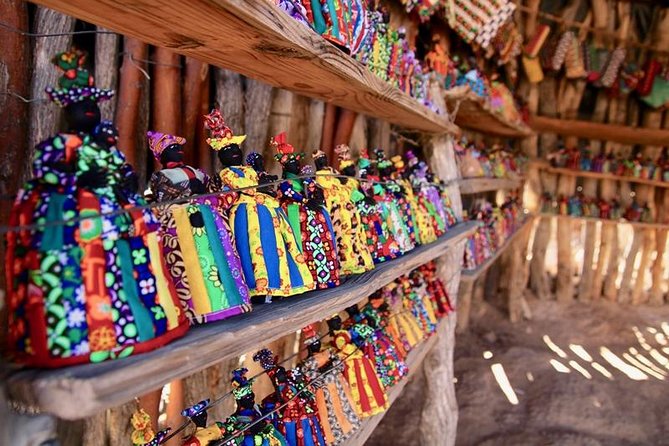
At first glance, the price is substantial. The value becomes clearer when you count what is bundled into six days across Namibia.
You receive five nights of twin-share accommodation with en-suite bathrooms, transport in a purpose-built safari vehicle, a professional English-speaking driver and guide, park entry activities listed in the schedule, and the major Sossusvlei excursion. Meals include five breakfasts, five lunches, and four dinners.
You also receive the afternoon and full-day Etosha game drives, the Himba village experience, the cheetah conservation visit, and the 4×4 transfer into the Sossusvlei area. Those inclusions remove several costs and decisions that can complicate a self-drive trip.
The price does not cover drinks, snacks, alcohol, optional activities, travel insurance, or airport transfers. You should set aside money for bottled drinks, extra food between meals, and any Swakopmund activity you choose.
For me, the strongest value is not simply the meals. It is the transport and route management. Covering Windhoek, Etosha, Damaraland, the Skeleton Coast, Swakopmund, and Sossusvlei in six days requires careful timing. You pay for the guide, vehicle, park access, and the fact that someone else handles the long drives.
The group pace and physical demands
A maximum of 12 people is a reasonable size for this route. It keeps the vehicle smaller than a coach and should make it easier to hear the guide and share wildlife sightings. But it remains a group trip with a fixed program.
One critical point is schedule discipline. The published experience gives exact departure times and a tightly linked series of stops. That helps the tour reach distant sights, but it leaves limited room for individual preferences. If you want to sleep late, skip a cultural stop, spend half a day photographing one dune, or linger at a waterhole, you may find the structure restrictive.
The physical level is described as moderate. Walking at Deadvlei, climbing into Sesriem Canyon, and possibly ascending Big Daddy require energy. The long vehicle days can also be tiring even when you are not walking.
Twin-share rooms are part of the arrangement. Children must be accompanied by an adult, and the child rate applies only when sharing with two paying adults. Dietary requirements should be provided when booking.
The experience has a 4.9 rating from 123 reviews and a 98 percent recommendation rate. One clear criticism concerns a strict guide and a schedule that did not adapt well to different preferences. I would take that warning seriously, especially if you dislike group rules. At the same time, the strongest praise focuses on clear pre-tour information, punctual pickup, comfortable accommodation, tasty breakfasts and dinners, and guides who work hard from early morning through late evening.
Who should book this trip?
I would recommend it to a first-time Namibia visitor who wants the country’s biggest sights without driving alone. It suits you if you value wildlife, dramatic scenery, included meals, and a route that keeps moving.
It is also a good fit if you have only six days. You will see Etosha, the salt pan, Damaraland, the coast, Sossusvlei, Deadvlei, Sesriem Canyon, and a cheetah conservation project in one organized circuit.
I would be more cautious if you need privacy, dislike early starts, or want to set your own pace. The fixed schedule and long road sections are the trade-off for covering so much ground. Solo participants should also confirm the room-sharing arrangement before paying.
Should you book the Dunes and Wildlife safari?
Book this tour if your priority is maximum Namibia variety in a short time. The combination of Etosha wildlife, the Skeleton Coast, and Sossusvlei is hard to arrange efficiently on your own in six days, and the included vehicle, guide, accommodation, meals, and park activities add real value to the price.
Skip it if you want a relaxed holiday or a private safari. You will spend long hours on the road, rise early for the desert, and follow a group timetable. For the right traveler, that is a fair trade: Namibia’s big sights are far apart, and this tour connects them with very little wasted time.
FAQ
Where does the tour start and finish?
The tour starts at the Chameleon Safaris office on Ferry Street in Windhoek and ends back at the meeting point.
What time does pickup begin?
The stated start time is around 7:00 a.m., with pickup listed at about 7:15 a.m. from within Windhoek city limits.
How many people can join the tour?
The maximum group size is 12 people.
What accommodation is provided?
The package includes five nights in twin-share rooms with en-suite bathrooms.
Are meals included?
Yes. The tour includes five breakfasts, five lunches, and four dinners. Drinks, snacks, mineral water, soft drinks, and alcohol are not included, although tap water is provided.
Is the tour suitable for children?
Children must be accompanied by an adult. The child rate applies only when sharing with two paying adults.
Just added around Windhoek
- Knight Vibes: Bars, Shebeen, Clubs Crawl Windhoek★ 5.0 · 3 reviews
- 10 DAYS BEAUTY OF NAMIBIA | Guided Lodge★ 5.0 · 3 reviews
- From Windhoek: 3-Day Sossusvlei Shared Shuttle Tour★ 3.8 · 3 reviews
- 3 day Sossusvlei Camping★ 5.0 · 3 reviews
- Windhoek: Katutura Township Tour with Local Guide★ 3.5 · 3 reviews
- Windhoek: City & Township tour. Vehicle, guide, kapana★ 4.2 · 4 reviews
- Airport Transfers★ 5.0 · 5 reviews
- Predator Encounter: Half-Day Carnivore Feeding Windhoek★ 4.0 · 5 reviews
Safari, compared.
ETOSHA PARK SAFARI with local guides in 9-seater 4x4s
Read our review →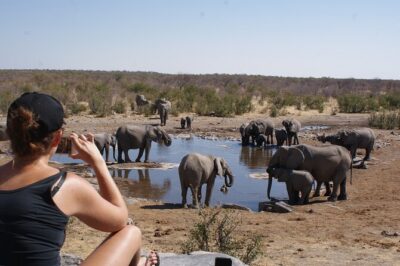
6 Day Sand, Sea & Etosha Budget Camping Safari
Read our review →
Safari in Etosha national park with professional tour guides born in Etosha.
Read our review →
7 Day Southern Namibia and Sossusvlei Camping Safari
Read our review →
9 Day Canyons, Dunes & Wildlife Camping and Lodge Safari
Read our review →Browse the lists this tour appears in