
Reviewed · HALF-DAY
Predator Encounter: Half-Day Carnivore Feeding Windhoek
Big cats make a Windhoek morning unforgettable. This half-day outing takes you to Naankuse Wildlife Sanctuary to see cheetahs, lions, leopards, wild dogs, caracals, and baboons during guided feeding sessions. I like the clear conservation purpose, and I like the small group limit of 10 people. The main caution is simple: this is a sanctuary visit, not a traditional safari among fully wild animals.
I also like that the outing combines close animal viewing with a scenic drive around the reserve. You get a chance to hear why certain animals are called ambassador animals, then look for other wildlife from the vehicle. Still, the strong feeding focus may not suit you if you want a quiet, untamed wilderness experience.
In This Review
- Key points to know before booking
- What this Windhoek carnivore tour really offers
- Starting at Zoo Park at 8:00 a.m.
- At Naankuse, the animals are the lesson
- How the feeding session works
- Conservation talks add meaning to the close encounters
- The reserve drive adds a second kind of wildlife viewing
- The biggest issue: sanctuary visit or safari?
- Is $170.92 a fair price?
- Who will enjoy this most?
- Should you book the Naankuse carnivore feeding tour?
- FAQ
- Where does the tour begin?
- What time does the experience start?
- How long does the tour last?
- Which animals might I see?
- Is transportation included?
- Can I cancel for a full refund?
Key points to know before booking
- Ambassador animals take center stage: The carnivores here cannot return to the wild for various reasons, so the experience focuses on care, behavior, and conservation.
- You see several species in one morning: The visit can include baboons, caracals, lions, cheetahs, wild dogs, and leopards.
- Feeding creates close viewing: Experienced guides feed the animals in a controlled setting, giving you clear chances to watch their strength, movement, and feeding habits.
- The outing begins at 8:00 a.m.: Pickup is offered from Zoo Park in Windhoek, with the activity ending back at the same meeting point.
- The group is capped at 10 people: That makes it easier to see and hear during the talks than on a large coach outing.
- The tour has mixed expectations to manage: Some visitors found it thrilling and personal, while one serious complaint described the setting as sad and misleadingly promoted. Read the experience for what it is: a managed sanctuary visit.
What this Windhoek carnivore tour really offers
The name may suggest a classic Namibian game drive, but the heart of the experience is different. You go to Naankuse Wildlife Sanctuary for a close look at carnivores under human care, followed by a drive through the reserve.
That difference matters. A wild cheetah spotted from a safari vehicle is a very different experience from a cheetah being fed by trained guides. One is a lucky encounter shaped by nature. The other gives you a much better chance of seeing the animal clearly and learning about its life.
The sanctuary describes these animals as ambassador animals. They cannot be released into the wild for different reasons, so they serve an educational purpose while remaining in a protected setting. That gives the visit a useful conservation angle, especially if you want to understand what happens to predators that have lost the ability to live safely on their own.
You should not book this expecting a completely wild setting or a traditional predator hunt. Book it for close observation, photography, and an explanation of Namibia’s work with animals that cannot return to nature.
A few more Windhoek trips worth weighing up
- Half-Day Windhoek City and Township Cultural Tour
★ 4.5 · 187 reviews - Walvis Bay: Sandwich Harbour Half-Day 4×4 Scenic Excursion
★ 5.0 · 426 reviews - Pelican Point Kayaking Half-Day Tour
★ 5.0 · 349 reviews
Starting at Zoo Park at 8:00 a.m.
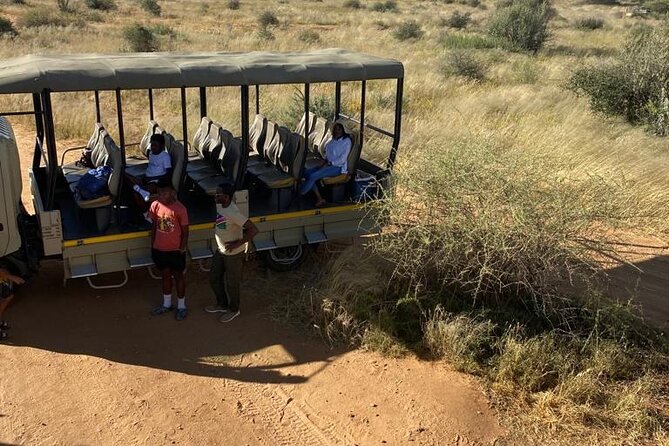
The morning begins at Zoo Park in Windhoek at 8:00 a.m. Pickup is offered, and the transport is by air-conditioned vehicle. In Namibia’s warm climate, that is more than a minor comfort. You will appreciate a cool ride before and after time outside at the sanctuary.
The activity lasts about five hours in all, though the feeding portion at Naankuse is listed as about two hours. The remaining time includes transport and a scenic drive around the reserve. Your day ends back at the original meeting point.
Starting early is useful for two reasons. It leaves part of the afternoon free in Windhoek, and it places the main animal viewing in the cooler part of the day. The early departure also gives the outing a clear shape: collect you in town, reach the sanctuary, watch the feeding sessions, take the reserve drive, and return.
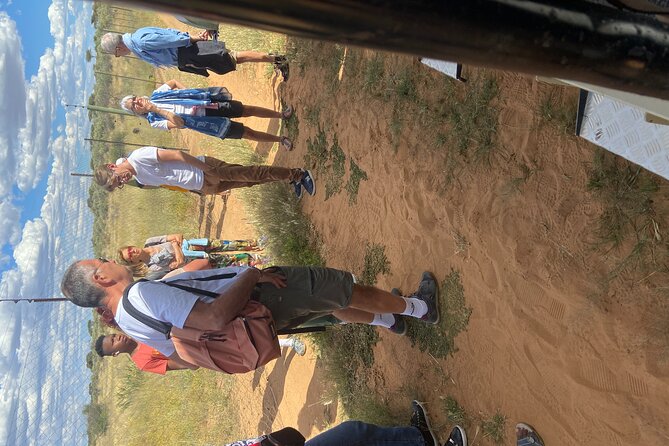
The group limit is 10 people. That is a good size for this kind of outing. You are less likely to be hidden behind a crowd, and you should have a fair chance to hear the guide’s explanation and position yourself for photographs.
The tour is booked well ahead on average, around 32 days in advance. If this is important to your Windhoek plans, I would not leave it until the last morning.
At Naankuse, the animals are the lesson
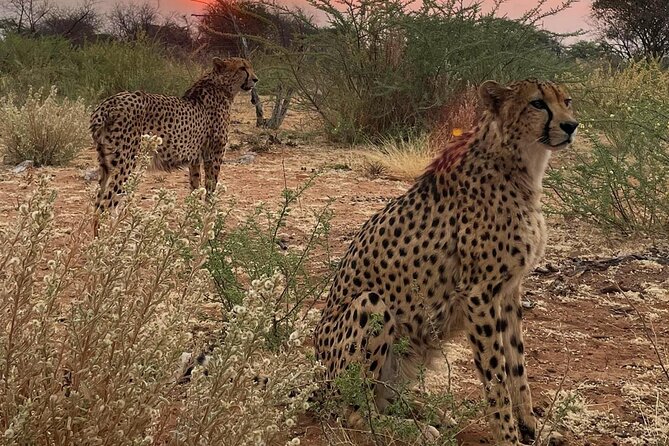
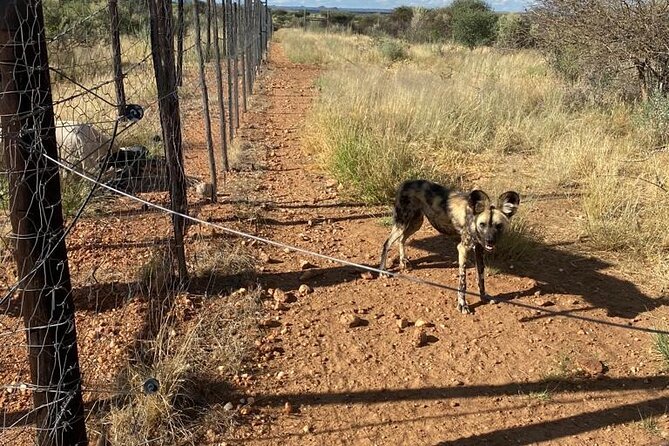
Naankuse is the main stop, and the animal list is impressive for a half-day visit. You may see baboons, caracals, lions, cheetahs, wild dogs, and leopards.
Each species gives the guides a different way to explain predator behavior. Cheetahs bring up speed and agility. Leopards show the power and patience of a more solitary hunter. Lions allow discussion of social behavior and strength. Wild dogs offer another view of cooperation among carnivores. Caracals and baboons add variety beyond the better-known big cats.
The point is not simply to collect photographs of six species. The talks connect the animals to Namibia’s wider conservation problems. You learn about the role predators play in ecological balance, the pressures they face, and the human-wildlife conflicts that make their protection difficult.
That context improves the experience. Without it, a feeding session could feel like a line of animals appearing for a meal. With it, you have a better chance to understand why the sanctuary exists and why some animals remain under human care.
The sanctuary setting also lets you see animals at a much closer range than you usually would on a standard game drive. That can be thrilling, especially with large cats. It can also feel intense, so you should be ready for a direct and managed encounter rather than a distant sighting through binoculars.
How the feeding session works
The feeding is conducted by experienced guides in a controlled and safe environment. You watch as the animals are given food and listen to explanations about their behavior.
This is the most visually powerful part of the outing. Feeding can bring out the animals’ agility, strength, and hunting instincts. It may also give you a clearer view of body shape, movement, and social behavior than a resting animal would.
For photographers, the setup offers a strong advantage. The animals are easier to see, and the guides can explain what is happening as it unfolds. The experience is described as a good up-close photo opportunity, so bring a camera if you have one.
Still, feeding is also the part that requires the most honest expectations. The animals are not hunting naturally, and the encounter is organized around human care routines. You are watching a managed activity, not witnessing an untouched food chain.
I see that as neither automatically good nor automatically bad. It depends on what you want. If your priority is learning about ambassador animals and seeing predators at close range, this is valuable. If your priority is silence, distance, and unpredictable wild behavior, a standard safari will fit better.
A completely different sort of day out of Windhoek:
- Windhoek: City and Township Tour
★ 4.8 · 430 reviews - Windhoek: Bushman Walk with the San
★ 4.9 · 145 reviews - 6-Day Dunes and Wildlife Accommodated Safari from Windhoek
★ 5.0 · 123 reviews - Windhoek City Tour
★ 5.0 · 113 reviews
Conservation talks add meaning to the close encounters
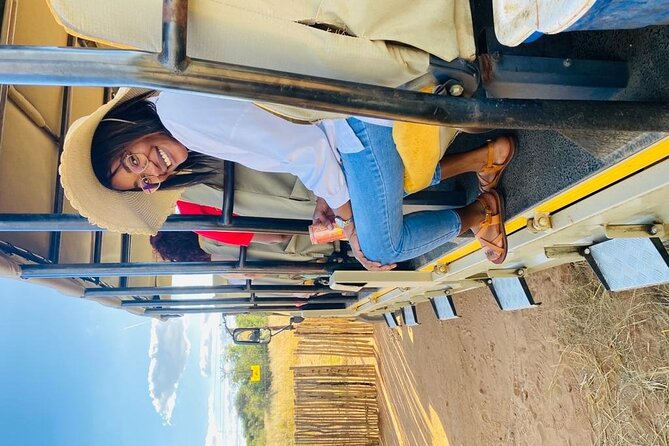
The educational talks are an important part of the outing, not filler between photographs. Guides discuss biology, habitat, predator conservation, and community-based efforts to reduce conflict between people and wildlife.
That last point is especially useful in Namibia. Protecting predators is not only about keeping animals inside a sanctuary. It also involves finding ways for people and wildlife to share space with less danger and loss. The tour helps explain why predator protection is a practical community issue, not just a matter of animal admiration.
You should listen for the distinction between animals living wild and animals living under human protection. The ambassador animals at Naankuse cannot be released for different reasons. Their presence gives the guides a chance to discuss the consequences of injury, dependence, or other barriers to release without pretending that the animals are wild.
The best part of this format is the connection between the individual animal in front of you and the larger conservation work behind it. You see a leopard or cheetah, then learn why its story matters. That makes the visit more memorable than a quick animal display with no explanation.
The reserve drive adds a second kind of wildlife viewing
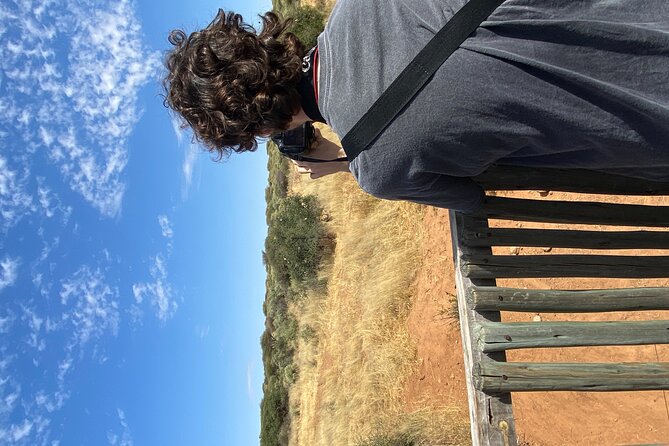
After the feeding sessions, the outing includes a scenic drive around the reserve. This changes the pace. Instead of focusing only on animals that are part of the feeding program, you get a chance to spot other wildlife in the reserve.
Do not treat this drive as a guaranteed big-game safari. The information provided does not promise particular sightings, and wildlife viewing always depends on conditions. Think of it as an extra chance to see the reserve and look for animals beyond the ambassador group.
The drive also gives you time to take in the setting after the close encounters. That contrast helps. The feeding session is focused and controlled, while the reserve drive brings back some of the uncertainty that makes wildlife watching exciting.
If your main goal is to see as many wild animals as possible, this portion may feel secondary. If you want a fuller morning at Naankuse, it rounds out the program well.
The biggest issue: sanctuary visit or safari?
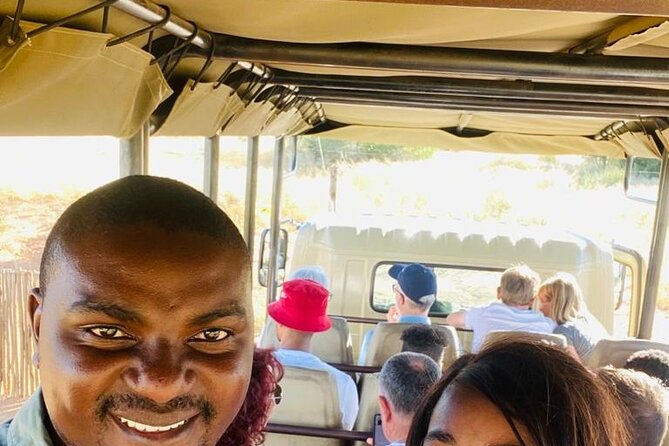
You need to understand the distinction before paying $170.92. This experience is best described as a half-day sanctuary and reserve visit with carnivore feeding, not a conventional safari.
That distinction became important because at least one guest arrived expecting something closer to an open-cage or inverted-safari concept and felt the experience was badly misrepresented. The promotional imagery appears to have created confusion, even though the provider disputed the claim that images were altered or misleading.
My practical advice is to focus on the written description, not a dramatic photograph. You are going to a sanctuary, watching trained guides feed ambassador animals, joining educational talks, and taking a reserve drive. That is the product you should judge.
There was also a complaint about the guide’s conduct, including an allegation of alcohol use. The provider denied that the guide was under the influence. Since this point is disputed, I would not treat it as an established fact, but it does reinforce the value of checking the current operator details and asking questions if anything feels unclear on the day.
The overall rating is 3.8 from five submitted ratings, which tells you to expect a mixed picture rather than universal approval. The praise is strong: people enjoyed seeing and feeding big cats up close, hearing their stories, and having a memorable morning near Windhoek. The criticism is equally useful because it highlights the risk of expecting a wild safari.
Is $170.92 a fair price?
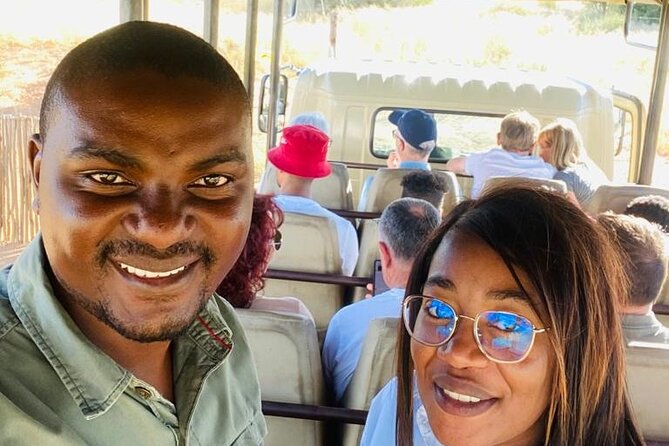
At $170.92 per person, this is not a cheap morning activity. The price makes more sense if you value the combination of transport, admission, a small group, feeding sessions, conservation information, and the reserve drive.
Air-conditioned transport is included, as is admission to the activity. Pickup is offered from Windhoek, so you do not need to arrange your own vehicle for the morning. That convenience has real value, especially if you are visiting without a rental car.
The group size also helps justify the cost. With no more than 10 people, the experience should feel more personal than a large bus excursion. You are paying for access, structure, and a guided explanation, not only for a ride to see animals.
The value drops if you expect a full safari with many wild sightings. In that case, the feeding program may feel too managed for the price. I would compare it with the cost of other Windhoek wildlife outings before booking, especially if you have several days available for a more traditional reserve visit.
Alcohol is not included, though that is unlikely to affect the main value of the experience. The important inclusions are the vehicle, admission, guide-led feeding, educational content, and reserve drive.
Who will enjoy this most?
I would recommend the experience to you if you have one free morning in Windhoek and want a strong close-up encounter with Namibian predators. It suits photographers, families with an interest in wildlife, and first-time visitors who want an introduction to local conservation work.
It is also a good fit if you want to see several carnivore species in one outing. The range of animals is a major strength, and the guide’s explanations help you tell the difference between a cheetah’s speed, a leopard’s power, a lion’s social behavior, and the group habits of wild dogs.
You may want to skip it if your dream is a quiet vehicle ride through a truly wild reserve, with every sighting completely unplanned. You should also think twice if close feeding encounters make you uncomfortable on animal welfare grounds.
People with moderate physical fitness should be able to manage the activity. The tour requires good weather, and a cancellation caused by poor conditions comes with a choice of another date or a full refund.
Free cancellation is available up to 24 hours before the start time. If you cancel later, the payment is not refunded, and changes made inside that 24-hour window are not accepted.
Should you book the Naankuse carnivore feeding tour?
Book it if you want a structured, close, educational wildlife experience near Windhoek. The chance to see cheetahs, lions, leopards, wild dogs, caracals, and baboons in one morning is appealing, and the conservation talks give the animal encounters real context.
Do not book it expecting an ordinary safari. The ambassador animals are under human care, the feeding is controlled, and the reserve drive is an added wildlife opportunity rather than a promise of wild sightings.
My deciding tip is to make the sanctuary distinction your first question. If you are comfortable with that format, the small group, air-conditioned pickup, and strong photo opportunities make the price easier to defend. If you want nature to set every scene, save your money for a more traditional game drive.
FAQ
Where does the tour begin?
The tour begins at Zoo Park, C3MP+432, Park Street, Windhoek, Namibia.
What time does the experience start?
The scheduled start time is 8:00 a.m.
How long does the tour last?
The full experience lasts approximately five hours. The Naankuse portion is listed as about two hours, followed by a scenic drive and return transport.
Which animals might I see?
The tour includes the opportunity to see baboons, caracals, lions, cheetahs, wild dogs, and leopards.
Is transportation included?
Yes. An air-conditioned vehicle is included, pickup is offered, and the activity ends back at the original meeting point.
Can I cancel for a full refund?
Yes, if you cancel at least 24 hours before the experience start time. Cancellations made less than 24 hours in advance are not refunded. If poor weather causes the operator to cancel, you are offered another date or a full refund.
Just added around Windhoek
- Knight Vibes: Bars, Shebeen, Clubs Crawl Windhoek★ 5.0 · 3 reviews
- 10 DAYS BEAUTY OF NAMIBIA | Guided Lodge★ 5.0 · 3 reviews
- From Windhoek: 3-Day Sossusvlei Shared Shuttle Tour★ 3.8 · 3 reviews
- 3 day Sossusvlei Camping★ 5.0 · 3 reviews
- Windhoek: Katutura Township Tour with Local Guide★ 3.5 · 3 reviews
- Windhoek: City & Township tour. Vehicle, guide, kapana★ 4.2 · 4 reviews
- Airport Transfers★ 5.0 · 5 reviews
- 3 Day Camping tour at Etosha National Park★ 5.0 · 5 reviews
Half-Day, compared.
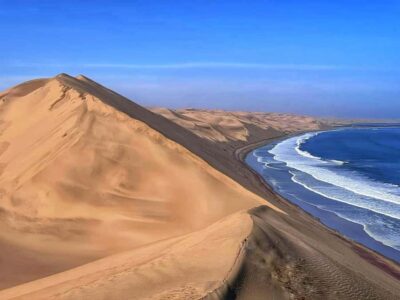
Sandwich Harbour Half-Day 4×4 Scenic Excursion
Read our review →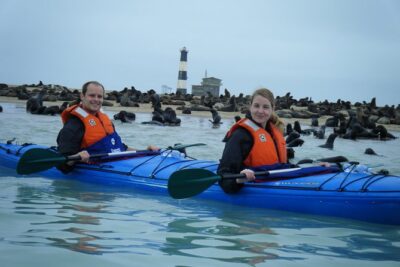
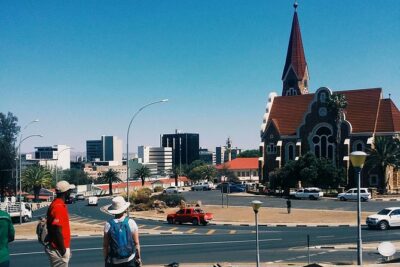
Half-Day Windhoek City and Township Cultural Tour
Read our review →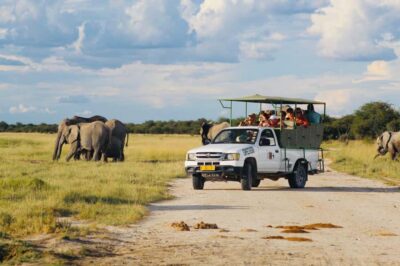
Etosha National Park: Full or Half-Day Game Drive
Read our review →
Sandwich Harbour Half-Day 4×4 Tour (5 hours) from Walvis Bay
Read our review →
Half-Day Sandwich Harbour Tour from Walvis Bay with Lunch
Read our review →Etosha National Park: Full or Half-Day Game Drive
Read our review →
NAMIB DESERT TOURS, Full-Day and Half-Day Tours from Swakopmund, Namibia
Read our review →Browse the lists this tour appears in