
Reviewed · TOWNSHIP CULTURAL TOURS
Windhoek: Katutura Township and City Walking Tour
Windhoek’s story is best read in its streets. This three-hour private tour combines colonial-era buildings, independence landmarks, Katutura township, local food, and community markets in one compact introduction to Namibia’s capital. I especially like the chance to see both official Windhoek and everyday neighborhood life, plus the opportunity to meet guide James and, on some tours, visit a local home. The main drawback is that the schedule can change sharply on Sundays, when museums, churches, shops, and other planned stops may be closed.
I also like the small private-group format, which makes it easier to ask questions and adjust the pace. The Katutura and market visits are the strongest part for anyone who wants more than postcard sights. You should be ready, though, for a tour that mixes walking with vehicle transfers and may include informal stops that feel less structured than a standard city sightseeing program.
In This Review
- Key points to know before booking
- A fast introduction to Windhoek’s divided past
- Christuskirche and the Tintenpalast
- Independence Memorial Museum and the Genocide Memorial
- Windhoek Crafts Centre and a taste of local food
- China Town and Okahandja Park
- Katutura, home visits, and the human side of the tour
- Single Quarter Open Market and the Old Location
- What $49 buys you in three hours
- Who will enjoy this Windhoek tour?
- FAQ
- How long is the Windhoek Katutura and City Walking Tour?
- Is pickup included?
- What language is the tour conducted in?
- Is this a private tour?
- Are meals and drinks included in the price?
- What should I bring?
- Can I cancel the tour?
- Should you book it?
Key points to know before booking
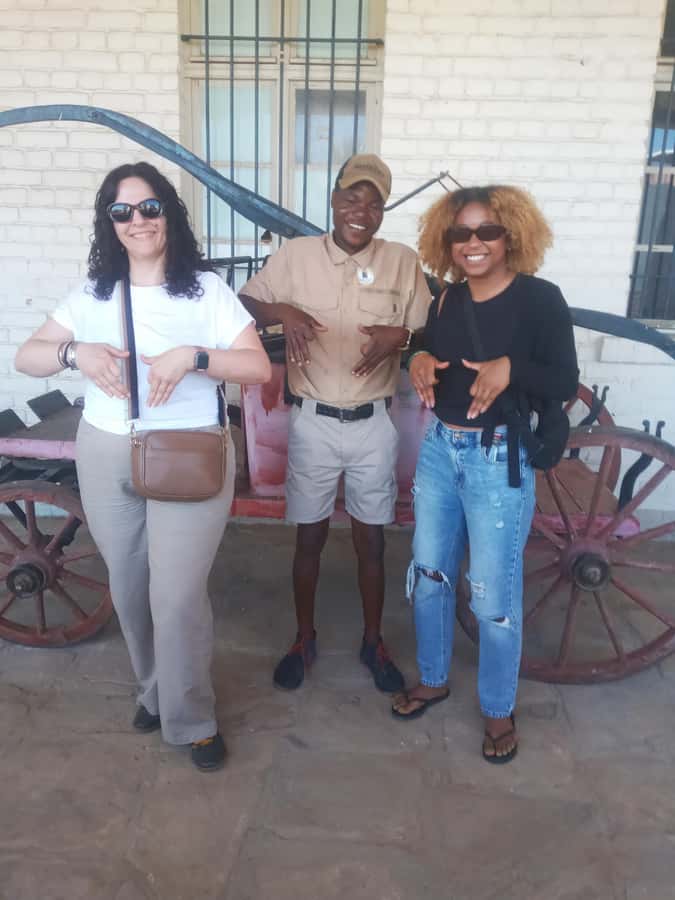
- Katutura provides the most personal part of the tour, with a look at present-day community life beyond Windhoek’s central monuments.
- James is frequently praised for his history talks and warm hosting, and some tours include a visit to his home.
- The tour covers a lot in three hours, from Christuskirche and the Tintenpalast to markets, food, and township neighborhoods.
- Sunday is a risky day for the full itinerary, since several named sights may be closed.
- Pepata Traditional Food Restaurant adds a useful cultural stop, especially if you want to try Omahangu porridge and other local dishes.
- At $49 per person, the price is reasonable for a private guide and pickup, but value depends on how many listed stops are open.
A fast introduction to Windhoek’s divided past
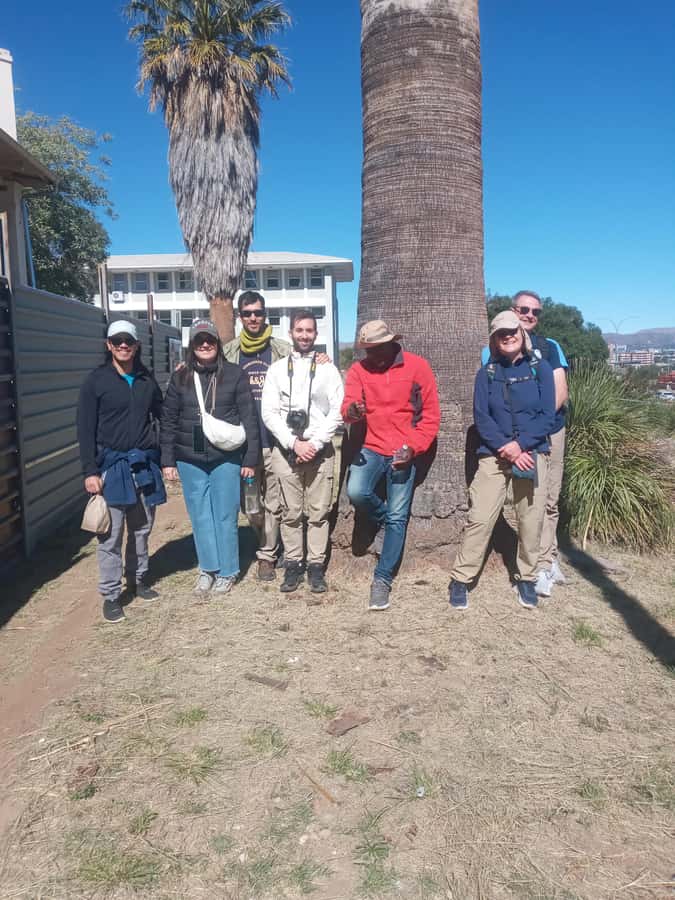
Windhoek can feel tidy and easy to grasp at first glance. Then its history begins to show in the buildings, memorials, neighborhoods, and sharp differences between central streets and township communities. This tour gives you a guide to those layers rather than leaving you to piece them together alone.
Your pickup is in Windhoek, and the experience lasts about three hours. It is described as a walking tour, but the full route includes several spread-out locations, so expect transportation between some stops. Comfortable shoes still matter because you will walk through public areas and markets.
The tour is conducted in English and is offered as a private group experience. That makes it a better fit for couples, families, or friends who want direct conversation with the guide instead of following a large crowd. It also gives you a little more room to ask about Namibia’s past, local customs, and daily life.
The strongest feedback centers on James, who is praised for explaining Namibian history in a clear and engaging way. He is also described as a friendly host, not simply someone who points at buildings and recites dates. That personal approach matters most in Katutura, where context and sensitivity are important.
More City Tours in Windhoek
- Windhoek: City and Township Tour
★ 4.8 · 430 reviews - Half-Day Windhoek City and Township Cultural Tour
★ 4.5 · 187 reviews - Windhoek City Tour
★ 5.0 · 113 reviews
Christuskirche and the Tintenpalast
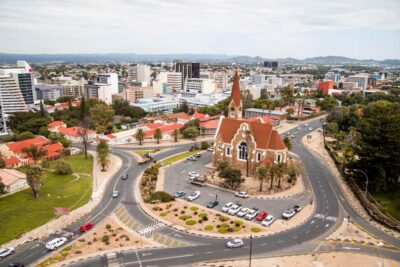
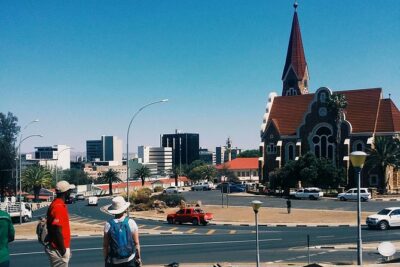
The tour begins with Christuskirche, also called the German Lutheran Church. German settlers built it between 1907 and 1910, and its presence introduces the period when Namibia was under German colonial rule.
The church is not just a pretty stop for photographs. It gives you a physical starting point for understanding the European influence that shaped central Windhoek. The building’s age and style also contrast with the newer national monuments visited later in the tour.
Next comes the Parliament of the Republic of Namibia, known as the Tintenpalast. The same German settlers constructed the building, which creates a direct link between colonial administration and modern independent government.
This pairing works well. Christuskirche represents the religious and settler presence, while the Tintenpalast now serves as a national political building. Your guide can connect the two sites to Namibia’s wider story, including the difficult shift from colonial rule to independence.
One practical warning: the tour may only pass by some locations rather than take you inside. Sunday closures are especially important here. A Sunday departure may mean seeing the outside of Christuskirche and the Tintenpalast, or even driving through the area without a formal visit.
Independence Memorial Museum and the Genocide Memorial
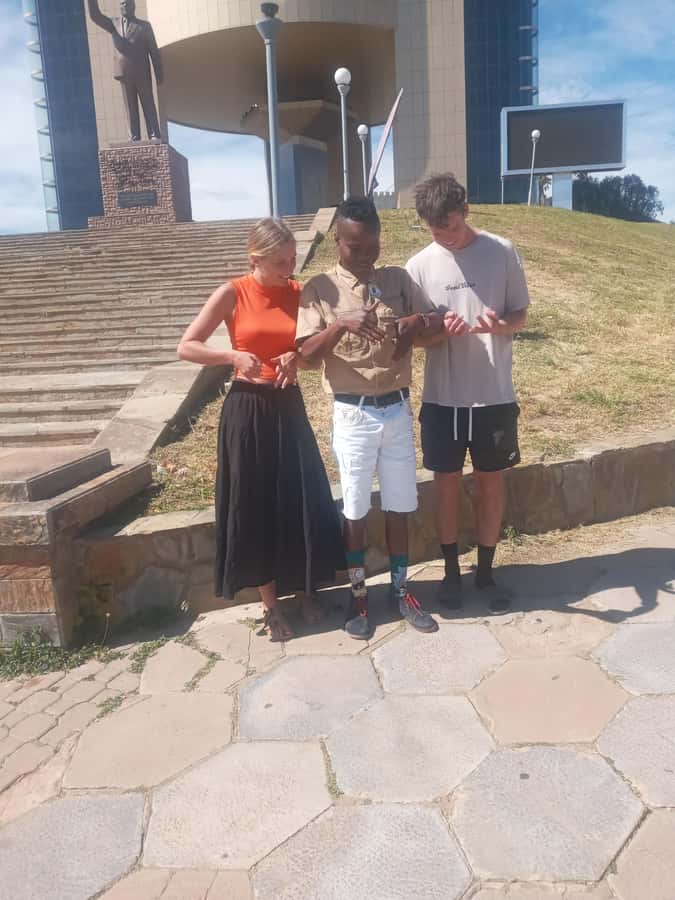
The Independence Memorial Museum was built by North Korea in 2014. Its striking design and prominent position make it one of Windhoek’s most recognizable modern landmarks. Inside, the museum focuses on Namibia’s path toward independence and the events that shaped the country before and after colonial rule.
This is one of the places where having a guide adds real value. Namibia’s history includes German colonial control, resistance, warfare, apartheid-era administration, and the eventual achievement of independence. A short visit can raise more questions than it answers, so use the walking time to ask James for clarification.
The nearby Genocide Memorial Monument addresses the war involving the Herero and Nama peoples and Germany’s role in that period. This is a serious stop, not a quick photo opportunity. It brings attention to violence and loss that remain central to how Namibia understands its past.
I appreciate that the tour does not present Windhoek as only a colonial capital with attractive old buildings. It includes places that point to the harm caused by colonial rule and the work of building a national identity afterward. Give these memorial stops the attention they deserve.
Opening hours matter here. If you take the tour on a Sunday, the museum and other formal attractions may be closed. The guide may explain the sites from outside, but that is not the same as seeing the exhibitions. If the museum is a priority, check the available start date and time before paying.
Windhoek Crafts Centre and a taste of local food
The Windhoek Crafts Centre offers a more relaxed change of pace. It is a place to see local artisans at work and browse handmade products connected to Namibian craft traditions.
This stop is useful for two reasons. You get a chance to buy a locally made item, and you can see the skill behind the products rather than encountering them only in a hotel shop. Take your time here if the schedule allows, and ask about the makers and materials.
The tour then includes Pepata Traditional Food Restaurant. Traditional dishes such as Omahangu porridge may be available, giving you a chance to try food that is part of Namibian daily life rather than standard international fare.
The meal is not included in the $49 price, and food and drinks are listed as personal expenses. Bring a little extra money if you want to taste something. You should also arrive with an open mind, since the experience is intended to introduce traditional dishes rather than familiar tourist meals.
This stop has one important practical caveat. The full experience is not guaranteed if the restaurant is closed or the guide changes the route. One Sunday tour did not include the planned food tasting, so ask about restaurant hours when booking a Sunday outing.
More Township Tours in Windhoek
- Katutura – Classic Township Experience
★ 5.0 · 22 reviews - Katutura Tour – Experience Genuine Namibian Life
★ 5.0 · 11 reviews - Katutura:tours and transport around the townships
★ 3.4 · 6 reviews - Windhoek: City & Township tour. Vehicle, guide, kapana
★ 4.2 · 4 reviews
China Town and Okahandja Park
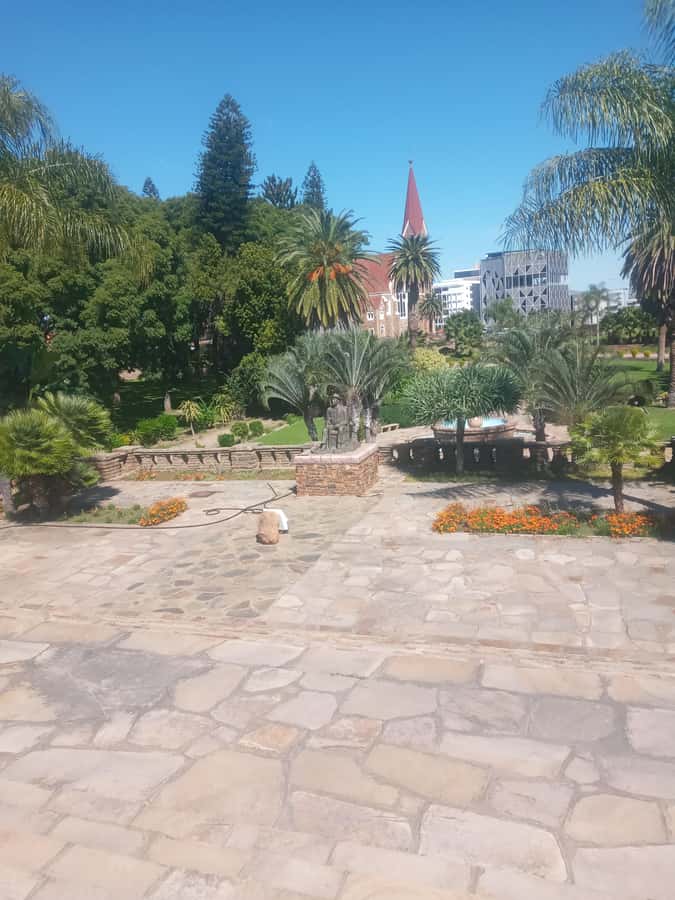
China Town adds another side of Windhoek. The area has a significant Chinese community and offers a look at the city’s commercial and cultural mix. It is not presented as a grand historic attraction. Its value is in seeing how different communities participate in modern Windhoek.
That makes it a useful counterpoint to the older monuments. The tour moves from churches, government buildings, and memorials into places shaped by shopping, work, migration, and ordinary business. You may find this stop more interesting if you enjoy seeing how a city functions today.
The route also includes Okahandja Park, described as a rural settlement. Here, the focus turns toward housing and community life. The guide can help you understand how residents live and how this part of Windhoek differs from the central districts.
Some people will find this the most meaningful portion of the tour. It offers a view that you cannot get from a monument or museum display. Others may feel uncertain if the stop becomes too personal or informal, especially if they are not sure where to stand or how to behave.
Use simple courtesy. Ask before taking photographs, listen to the guide, and remember that this is a residential community, not a stage set. The value of the stop depends on respectful conduct from both the guide and the group.
Katutura, home visits, and the human side of the tour
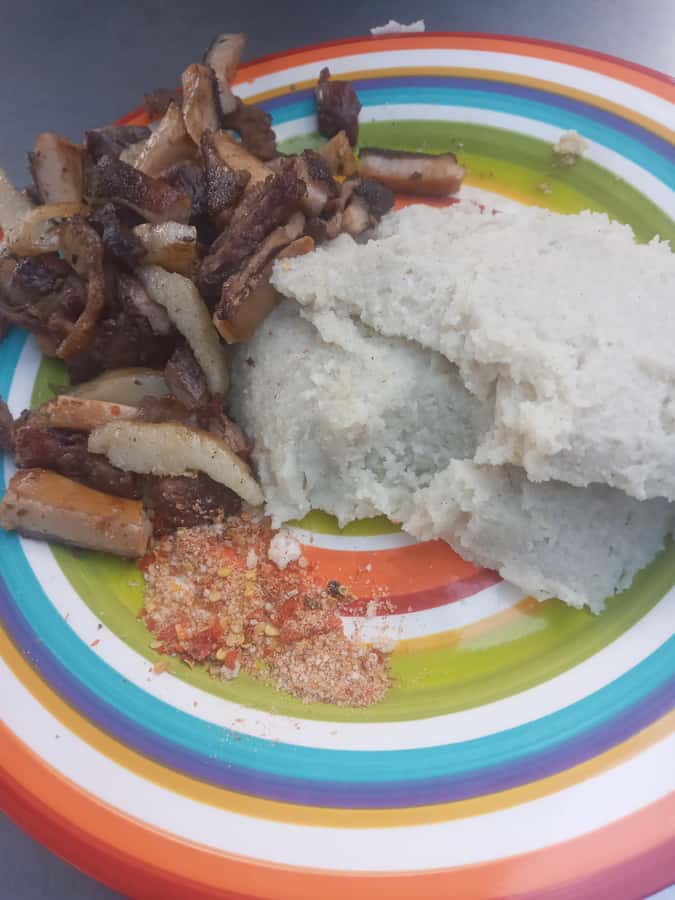
Katutura is the part of the experience that receives the strongest praise. The name is associated with a township area of Windhoek, and the visit gives you a chance to see daily life away from the formal center.
The tour can include meeting local people and, in some cases, entering the guide’s home. One particularly memorable experience involved seeing the inside of a village-style home for the first time. That kind of access can make the visit feel personal and direct.
It can also feel unexpected. A home visit is not the same as entering a museum with a clear visitor route. You may feel unsure about what is appropriate, especially if you are invited into a private family setting. The right response is to follow the guide’s lead, ask permission before photographing anything, and avoid treating someone’s home as a curiosity.
A few people have described the township visit as moving, informative, and the highlight of the day. James and his team are praised for introducing the community with warmth and humor despite difficult conditions. That combination of openness and context is what makes Katutura more than a quick drive past a neighborhood.
At the same time, the quality of this part can depend heavily on the guide and the day. A Sunday tour included informal visits with friends and family instead of the advertised museums and restaurant. The participants felt uncomfortable and wanted a partial refund. That is a serious warning, not a minor scheduling quirk.
The best version of the tour treats Katutura as a place of real people and real history. The weaker version can feel improvised. Before booking, confirm what the township visit will involve and whether home visits are optional.
Single Quarter Open Market and the Old Location
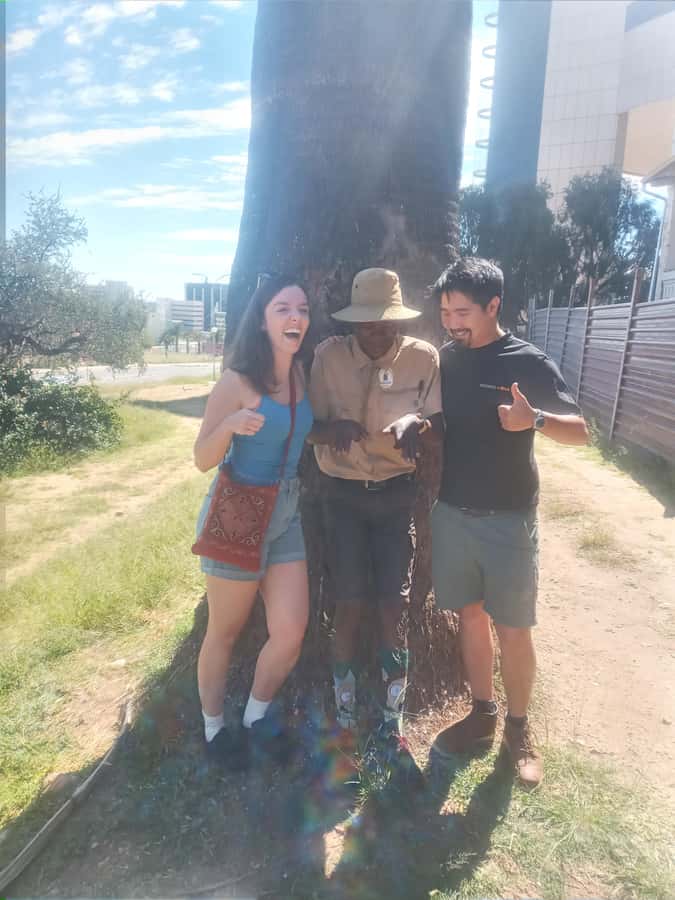
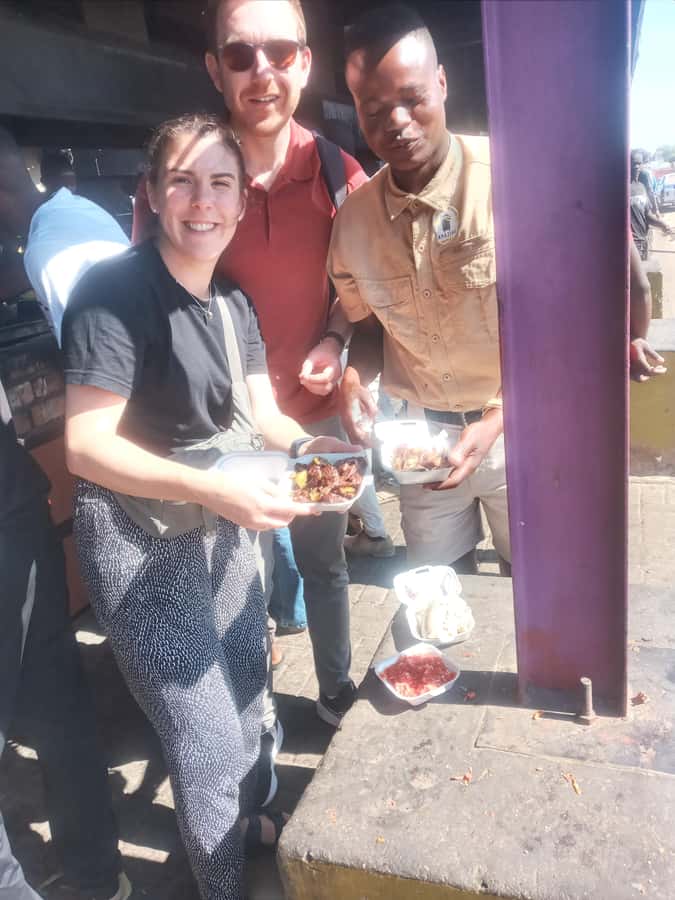
The Single Quarter Community Open Market is one of the tour’s liveliest stops. People from different Namibian tribes sell traditional products there, creating a useful meeting point for food, crafts, and local interaction.
Markets can be more revealing than polished attractions. You see what people sell, how they trade, and how different cultural traditions appear in everyday commerce. The market also gives you the chance to sample local specialties, although any purchases or food are your responsibility.
Be prepared for a less controlled setting. A community market may be busy, noisy, and informal. Keep your belongings secure, ask before taking close-up photographs, and do not assume that every product or person is there for your camera.
The final stop is the Old Location, described as Windhoek’s first settlement. This adds an important geographic and historical layer to the day. You are not only seeing central landmarks and current townships. You are also visiting a place connected to the city’s earliest settlement patterns.
The Old Location can be easy to overlook if you explore Windhoek alone. The guide’s explanation helps connect it to the city’s growth and to the movement of communities over time. As with Okahandja Park, the stop may be more about observation and explanation than a formal attraction with an entrance ticket.
What $49 buys you in three hours
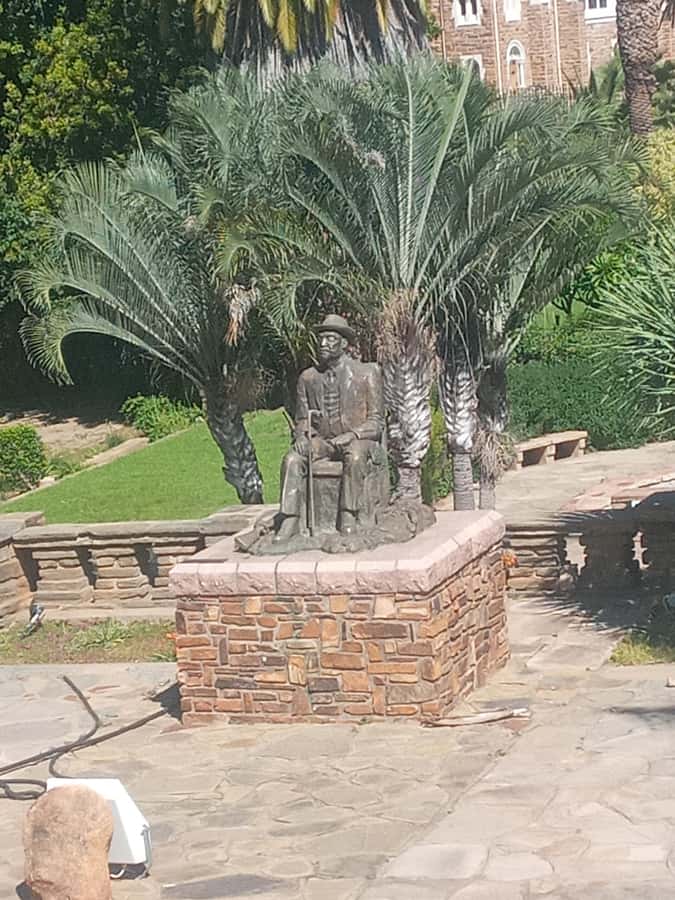
At $49 per person, this tour sits in a reasonable range for a private, guided introduction to Windhoek. You receive pickup, an English-speaking guide, walking time, and a route that reaches places you might not confidently visit alone, especially Katutura and the community markets.
The value is strongest when the guide provides historical context and the scheduled cultural stops are operating. You are paying for local interpretation and access to a broad mix of places, not for expensive admissions or a long formal museum program.
The calculation changes if you take the tour on a Sunday. If the Independence Memorial Museum, Tintenpalast, Christuskirche, Crafts Centre, and other planned sites are closed, much of the advertised route may become an exterior visit or a drive-through. In that case, $49 can feel high for an improvised township and market outing.
Meals and drinks are not included. Budget separately for Pepata Traditional Food Restaurant and anything you buy at the Crafts Centre or market. Drinks are not allowed in the vehicle, and alcoholic drinks are specifically prohibited.
The tour has free cancellation up to 24 hours before departure, and you can reserve now and pay later. Those terms are useful if your Windhoek plans are still shifting, but they do not solve the Sunday opening-hours issue. Check the operating day of each priority stop first.
Who will enjoy this Windhoek tour?
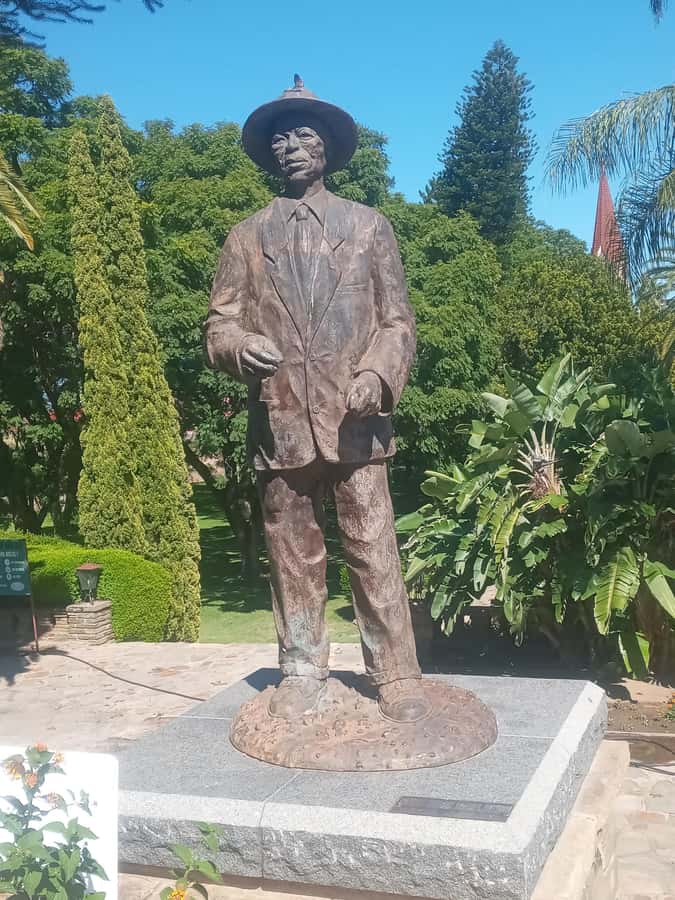
I would recommend it most strongly if you want a quick orientation to Windhoek and prefer conversation over a rigid sightseeing route. It suits first-time visitors, people with only a few hours in the capital, and anyone curious about Namibia’s colonial past, independence, food, and present-day neighborhoods.
It is also a good match for people who want a private group. You can ask direct questions, and the experience may feel more personal than a large coach tour. The strongest guide feedback centers on James, whose history explanations and hosting style help the different stops make sense.
You may not enjoy it as much if you want a tightly timed museum tour with guaranteed indoor access. The route is ambitious for three hours, and some locations may be seen only from outside. Sunday is the clearest example of why you should confirm the schedule.
Wear comfortable shoes and clothes suitable for walking. Bring a camera if you want photographs, and binoculars are listed as an optional item to bring. The activity is not suitable for people with altitude sickness, according to the supplied tour information.
FAQ
How long is the Windhoek Katutura and City Walking Tour?
The tour lasts three hours and begins and ends in Windhoek.
Is pickup included?
Yes. Pickup in Windhoek is included, and you should wait at your designated pickup area.
What language is the tour conducted in?
The live tour guide speaks English.
Is this a private tour?
Yes. The experience is offered for a private group.
Are meals and drinks included in the price?
No. Meals, drinks, and personal expenses are not included. Traditional food may be available at Pepata Traditional Food Restaurant, but you pay for it separately.
What should I bring?
Bring comfortable shoes, comfortable clothes, and a camera. Binoculars are also listed as an item you can bring.
Can I cancel the tour?
You can cancel up to 24 hours in advance for a full refund. The reserve-now, pay-later option is also available.
Should you book it?
Book this tour if Katutura, local markets, and personal history matter more to you than a polished sightseeing circuit. The combination of Christuskirche, the Tintenpalast, independence landmarks, traditional food, China Town, Okahandja Park, and the Single Quarter market gives you a broad first look at Windhoek.
I would avoid booking it blindly for a Sunday. Confirm which museums, churches, restaurants, and craft stops will be open, and ask exactly how the township visit will be handled. If the schedule is confirmed and you want a private introduction with James or another local guide, $49 can be a fair price for three revealing hours.
More Walking Tours
- Windhoek: Bushman Walk with the San
★ 4.9 · 145 reviews - Private Guided Walking Tour with the San in Windhoek
★ 5.0 · 20 reviews - Windhoek : Cheetah walk Experience
★ 4.6 · 8 reviews
More Township Tours
- Windhoek: Katutura Township Tour with Local Guide
★ 3.5 · 3 reviews - Swakopmund: Mondesa Township Day Tour Experience
★ 3.8 · 25 reviews - Walvis Bay: Mondesa Township Tour
★ 3.7 · 13 reviews - Local Guided Walvisbay & Swakopmund Township Experience Day Tour
★ 3.5 · 8 reviews
Just added around Windhoek
- Knight Vibes: Bars, Shebeen, Clubs Crawl Windhoek★ 5.0 · 3 reviews
- 10 DAYS BEAUTY OF NAMIBIA | Guided Lodge★ 5.0 · 3 reviews
- From Windhoek: 3-Day Sossusvlei Shared Shuttle Tour★ 3.8 · 3 reviews
- 3 day Sossusvlei Camping★ 5.0 · 3 reviews
- Windhoek: Katutura Township Tour with Local Guide★ 3.5 · 3 reviews
- Windhoek: City & Township tour. Vehicle, guide, kapana★ 4.2 · 4 reviews
- Airport Transfers★ 5.0 · 5 reviews
- Predator Encounter: Half-Day Carnivore Feeding Windhoek★ 4.0 · 5 reviews
Township Cultural Tours, compared.
Half-Day Windhoek City and Township Cultural Tour
Read our review →
Katutura Tour – Experience Genuine Namibian Life
Read our review →
Swakopmund Best Cultural Historical Township Tours Namibia
Read our review →
Local Guided Walvisbay & Swakopmund Township Experience Day Tour
Read our review →Browse the lists this tour appears in