
Reviewed · WINDHOEK TOURS
Traditional Cooking Class – Mahangu pap for beginners
Food can explain a country quickly. In this three-hour Windhoek cooking class, you learn to prepare mahangu pap, a millet staple, cook meat over a braai, and share the meal with Namibian hosts. The setting takes you beyond hotel dining rooms and into local home life, with stories about farming, food storage, and daily cooking.
I especially like the hands-on pap lesson, since you leave with a skill you can use at home rather than only a full stomach. I also like the chance to try foods that are hard to find on a standard sightseeing schedule, including mopane worms, goat head, local spinach, and marula fruit.
The main consideration is that adventurous dishes are part of the appeal, but they may not suit every appetite. Vegetarian cooking is available, though one past participant found the vegetarian choices less developed than the meat options. At $56.99 per person, the price is fair if you value private transport, a full meal, drinks, and direct contact with Namibian hosts.
In This Review
- Key points at a glance
- From Windhoek’s Christuskirche to a local kitchen
- The first lesson: mahangu becomes pap
- Braai beef, stew, fish, and local side dishes
- Mopane worms and goat head are optional tests of courage
- Vegetarian cooking needs a little planning
- The real attraction is conversation at home
- Why the $56.99 price can be good value
- What the three hours feel like
- A few practical tips before you book
- Who should book this Windhoek cooking class?
- Should you book it?
- FAQ
- Where does the cooking class begin?
- Where does the activity end?
- How long does the experience last?
- Is pickup available?
- Is this a private activity?
- What is mahangu pap?
- Is food included in the price?
- Are alcoholic drinks included?
- Are vegetarian options available?
- Are children allowed to join?
- Can I try mopane worms or goat head?
- What is the cancellation policy?
Key points at a glance
- Mahangu pap from millet: Learn how mahangu is grown, stored, and turned into a daily staple.
- Private home setting: Only your own group takes part, creating time for questions and conversation.
- Braai and unusual delicacies: Prepare beef on a traditional grill, with optional mopane worms and goat head.
- Vegetarian choices: Local spinach and marula fruits can be prepared instead of meat.
- Pickup and meal included: Private transportation, bottled water, soda, snacks, and lunch are covered.
- Family-friendly format: Children are welcome, and the relaxed cooking setup suits curious beginners.
From Windhoek’s Christuskirche to a local kitchen
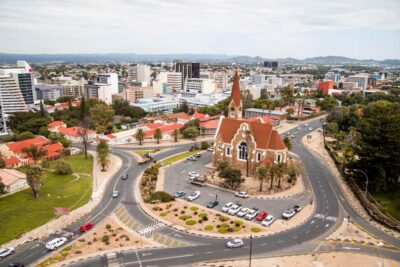
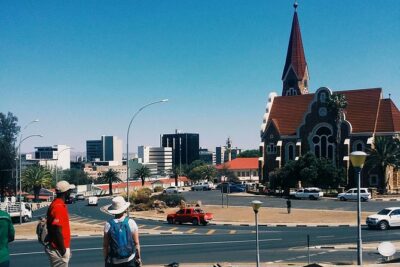
The listed meeting point is Christuskirche on Robert Mugabe Avenue in central Windhoek. Pickup is offered, including pickup from a hostel according to one experience, so confirm the arrangement when you book. The activity ends back at the meeting point.
The ride matters because this is not a cooking demonstration in a central tourist venue. You are taken into a residential part of Windhoek, including Katutura for some sessions, where the cooking takes place in a home or home-based restaurant setting. That change of setting is a major part of the experience.
You may be accompanied by a guide or driver such as Linda, Annely, Sacky, or Andrew, depending on the day. The hosts have helped visitors with transport, introductions, cooking instruction, and translation when needed. The exact host lineup can vary, so treat the names as examples rather than a guarantee.
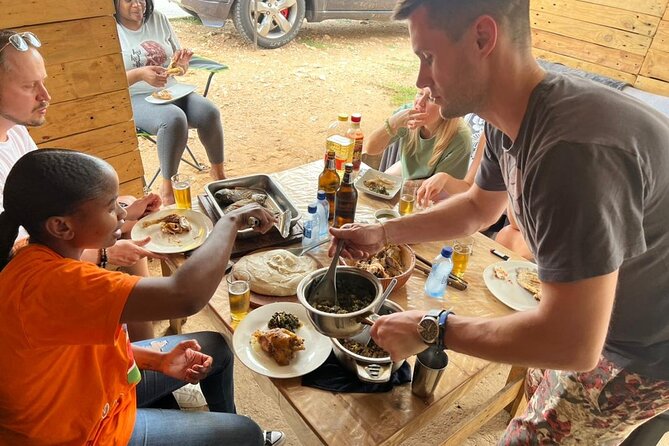
The setting is straightforward rather than polished. One family described cooking in a comfortable room at Iyaloo’s house and restaurant, with electricity, a working refrigerator, and plenty of handwashing. That detail is reassuring: you get a real home-style environment, but not a rough outdoor survival exercise.
Other Windhoek trips people book alongside this one:
- Windhoek: City and Township Tour
★ 4.8 · 430 reviews - Half-Day Windhoek City and Township Cultural Tour
★ 4.5 · 187 reviews - Windhoek: Bushman Walk with the San
★ 4.9 · 145 reviews
The first lesson: mahangu becomes pap
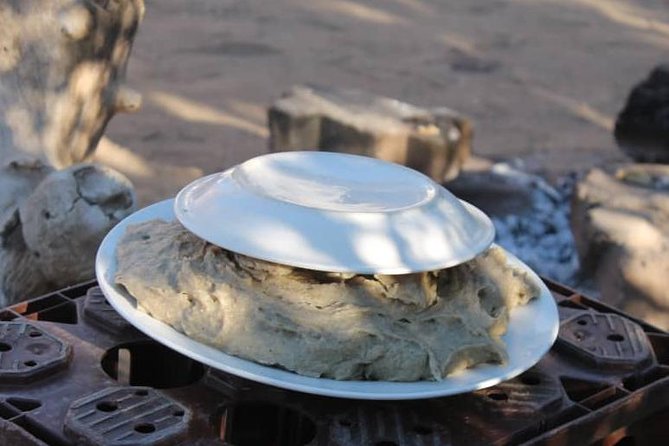
The class begins with mahangu, also called omahangu, a millet widely used in Namibian cooking. You learn how it becomes pap, a thick porridge or bread-like staple served with other foods. The exact texture may vary with the preparation, but the important lesson is learning how to handle a food central to everyday meals.
This is not simply a recipe session. Your tutor explains how local farmers grow mahangu in Namibia’s dry conditions and how the grain is stored. That farming conversation gives the dish useful context. You begin to see pap as a practical food shaped by climate, availability, and household tradition, not just as a side dish on a plate.
For beginners, this is the strongest part of the class. The technique is approachable, and the tutor guides you through the process. One participant who did not consider herself a cook still managed to prepare an authentic mahangu meal and felt confident enough to teach the method to family and friends.
Expect to do real work. You may stir, shape, season, grill, or help prepare several dishes. The pace appears relaxed, but the cooking itself is not merely decorative. If you want to learn, ask questions about measurements, heat, texture, and substitutions. These are the details that will help you repeat the meal at home.
Braai beef, stew, fish, and local side dishes
After the pap preparation, the meal expands into several traditional dishes. Beef is cooked on a braai, the Namibian barbecue. This gives the class a second cooking method and shows how pap works with grilled meat and sauces.
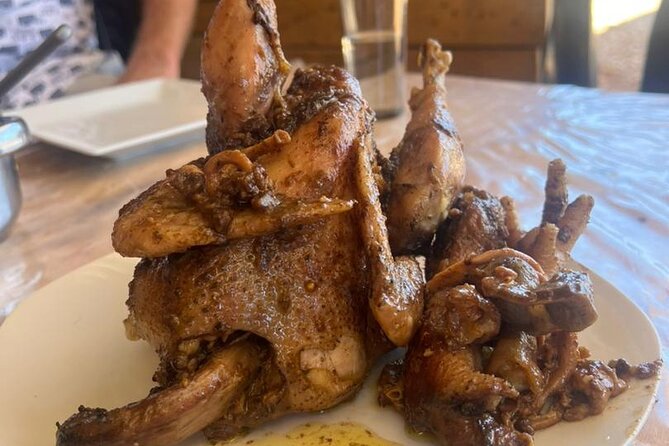
The exact menu can vary. Dishes prepared in different sessions have included meat stew with dried meat called edhingu, tripe known as matangara, fried fish, horse mackerel, spinach, tomatoes, and a sauce described as a house secret. This variation is worth noting. You should expect the core mahangu lesson, but do not assume every listed food will appear at every class.
The seafood element is especially useful if you want to understand the wider Namibian diet. One session included masbanker, or horse mackerel, while another featured fried fish with spinach and pap. These dishes offer a change from the familiar beef braai and help turn the class into a broader introduction to local home cooking.
Portions can be generous. One participant described the meal as fantastic, if very large. Plan to arrive hungry, but not so hungry that you cannot concentrate on the preparation. Snacks, soda, bottled water, and lunch are included, so you will have plenty to eat during the three-hour activity.
Mopane worms and goat head are optional tests of courage
The class can include local delicacies such as mopane worms and goat head, known locally as smilie. These are offered for adventurous eaters, not as a requirement for everyone.
Mopane worms are actually the caterpillar larvae of the emperor moth. The experience can be a good way to try something unfamiliar in a supportive setting, especially if you want a story to take home along with the pap technique. One participant described trying butterfly larva for the first time and clearly considered it a memorable part of the day.
Goat head is a more demanding choice for some people. If you are curious but cautious, ask your host what is being prepared and how it will be served before deciding. The point is participation, not proving anything. You can enjoy the class without choosing every unusual item.
The available information does not promise that both delicacies will be served at every session. Think of them as possible additions. Availability may depend on the menu, the season, and what your host has arranged.
A completely different sort of day out of Windhoek:
- 6-Day Dunes and Wildlife Accommodated Safari from Windhoek
★ 5.0 · 123 reviews - Windhoek City Tour
★ 5.0 · 113 reviews - 10-Day Namibia Highlights Guided Tour from Windhoek
★ 5.0 · 78 reviews - 12 Day Classic Namibia Camping Safari
★ 5.0 · 77 reviews
Vegetarian cooking needs a little planning
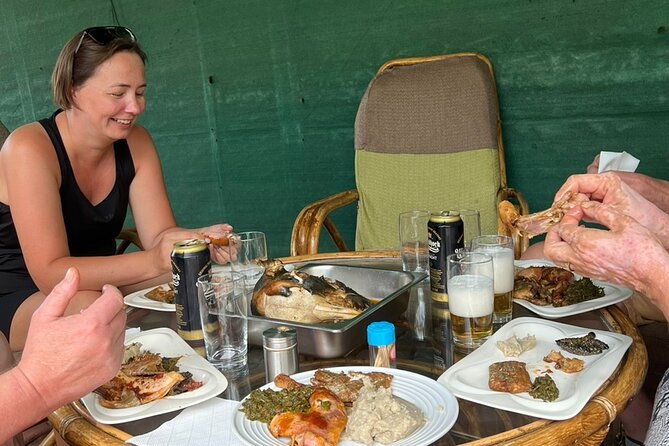
Vegetarian options are available. The menu can include local spinach and marula fruits, along with vegetable preparations such as spinach and tomato. That makes the class workable for people who do not eat meat.
Still, I would be specific about your diet when booking. One person found the vegetarian side had room for improvement, even though it was a minor issue for that particular visit. The meal is built around pap, braai food, fish, and traditional meat dishes, so vegetarian participants should not assume they will receive the same number of dishes as meat eaters.
If you eat fish but not meat, say so clearly. Past menus have included horse mackerel and fried fish, but fish should not be assumed unless the provider confirms it. Dietary restrictions beyond vegetarian options are not detailed in the available information, so ask before paying if you have allergies or other requirements.
The real attraction is conversation at home
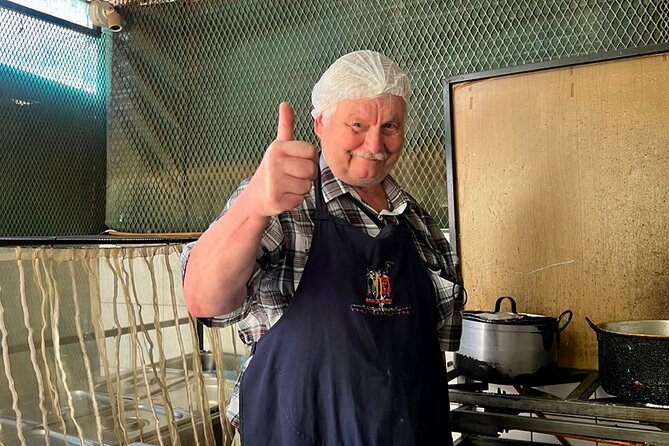
The food is only half the reason to book. You spend time with Namibians in their homes and share stories over the meal. This creates an exchange that a restaurant visit rarely provides. You can ask about cooking routines, local ingredients, farming, storage, and the place food holds in family life.
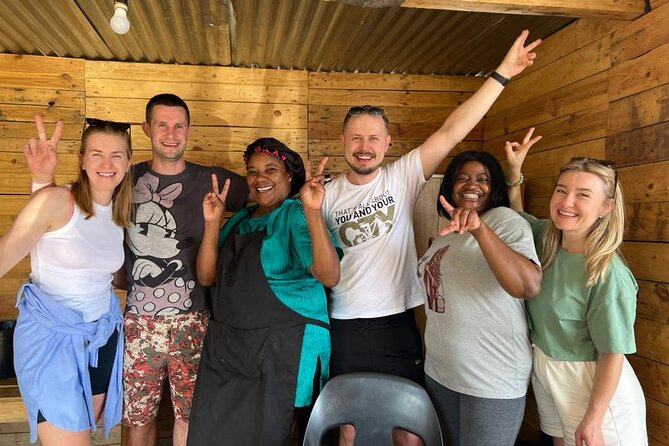
Hosts such as Linda and Iyaloo have been praised for warmth and clear instruction. Betty has guided beginners through a large traditional meal, while Annely has helped explain the area. Sacky has provided transport and introductions, and Andrew has assisted with advice and translation when needed. The names and roles may vary, but the pattern is clear: the human connection is a central part of the activity.
The home setting also requires a little openness from you. This is not a show kitchen with a printed menu and timed courses. The room may be simple, the preparation may change, and the conversation may shape the pace. That is a benefit if you want local contact. It may be less appealing if you prefer a highly polished culinary school.
One session was described as clean, with electricity, refrigeration, and frequent handwashing. Service animals are allowed, and the activity is near public transportation, though private transportation is included. Children are welcome, making this a useful family activity for older children who enjoy helping with food and trying new tastes.
Why the $56.99 price can be good value
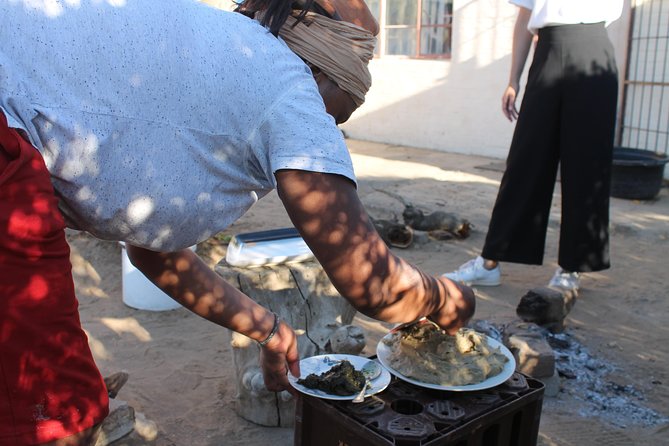
The $56.99 cost covers more than instruction. You receive snacks, soda, bottled water, lunch, and private transportation. Alcoholic drinks are not included, so local beers or other alcoholic beverages will cost extra if you choose to buy them.
The private format is the biggest value point. Only your own group takes part, so you can ask questions without competing with a large class. You can also tell the host in advance if you want more time on pap, prefer to avoid meat, or are interested in trying mopane worms.
For a solo participant, the price is less of a bargain than it is for a small private group, but the transport and full meal help balance the cost. For a family or group of friends, the chance to split the experience among your own party makes the format more attractive. Group discounts may also be available.
The class is usually booked about 18 days ahead, which suggests you should not leave it until the last morning of your Windhoek stay. Confirmation is normally sent when you book, although a booking made within four hours of the start time is subject to availability.
What the three hours feel like
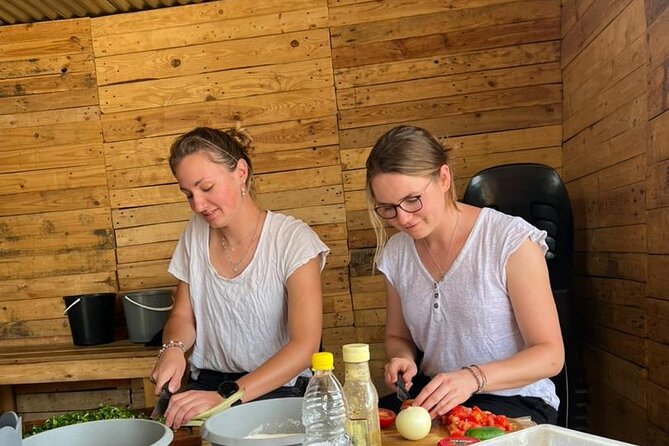
The schedule is best understood as a sequence of preparation, conversation, and eating rather than a strict restaurant-style timetable.
You begin with introductions and the transfer from central Windhoek or your pickup point. Once settled in the home kitchen, the tutor introduces mahangu and explains farming and storage. You then prepare the pap, learning how the millet changes as it is cooked.
Next comes the main cooking. You may help prepare braai beef, stew, fish, spinach, tomatoes, or other available dishes. If you want to sample mopane worms or goat head, this is the point to ask how they are being prepared. The class then concludes with the meal you helped make, along with soft drinks, water, and conversation.
Three hours is enough for a substantial meal and a useful cooking lesson, but not for a full survey of Namibian cuisine. You will leave with a focused introduction to mahangu and several accompanying foods, not a complete cookbook.
A few practical tips before you book
Tell the provider about vegetarian needs and any foods you cannot eat. The available information confirms vegetarian options, but it does not spell out allergy procedures or special diets.
Wear clothes that are comfortable for cooking. No dress code is given, but home cooking can involve stirring, grilling, and food preparation, so avoid anything you would worry about near smoke or splashes.
Bring curiosity rather than fixed expectations. The menu can vary, and the class may include foods you have never tried. You can ask questions and decline adventurous items without losing the main lesson.
If you need transport, confirm the pickup details and return point. The published start and end point is Christuskirche, while pickup is offered. Since the class is private, make sure the provider has the correct number of people in your group.
Cancellation is free up to 24 hours before the start time for a full refund. Within 24 hours, changes and refunds are not accepted. The activity also requires a minimum number of participants, and if that minimum is not met, you will be offered another date, another experience, or a full refund.
Who should book this Windhoek cooking class?
I would choose this experience if you want direct contact with local people, enjoy learning by doing, and like the idea of eating food you helped prepare. It is particularly good for first-time cooks, families, food-focused visitors, and anyone who wants to understand mahangu beyond seeing it on a menu.
It also suits people who want a break from sightseeing. The class gives you a chance to sit down, work with your hands, and hear everyday stories from Namibian hosts. The private format makes it easier to ask simple questions and set the pace.
I would think twice if you want a formal cooking school, a guaranteed multi-course menu, or a strong vegetarian program. The home setting is part of the charm, but it also means the experience may feel less standardized. If you are happy with that trade-off, the meal and cultural exchange offer good value for the price.
Should you book it?
Yes, if your priority is an honest, personal introduction to Namibian food. The mahangu lesson gives the class a clear focus, while the braai, local vegetables, fish, and optional delicacies add variety. The strongest reason to book is the chance to cook and eat with Namibian hosts rather than simply watch a demonstration.
Book with a little notice, confirm your dietary needs, and ask about the day’s menu if mopane worms, goat head, or fish matter to you. For a private three-hour experience with transport, food, drinks, and a practical skill to take home, $56.99 is a sensible price.
FAQ
Where does the cooking class begin?
The published meeting point is Christuskirche, at C3JP+VVQ on Robert Mugabe Avenue in Windhoek, Namibia.
Where does the activity end?
The activity ends back at the meeting point.
How long does the experience last?
The cooking class lasts approximately three hours.
Is pickup available?
Yes. Pickup is offered, and private transportation is included. Confirm the exact pickup arrangement when booking.
Is this a private activity?
Yes. Only your own group takes part in the private tour or activity.
What is mahangu pap?
Mahangu pap is a traditional Namibian staple made from millet. The class teaches you how to prepare it and explains how mahangu is grown and stored.
Is food included in the price?
Yes. Snacks, soda, bottled water, and lunch are included.
Are alcoholic drinks included?
No. Alcoholic beverages are not included.
Are vegetarian options available?
Yes. Vegetarian options are available, including local spinach and marula fruits.
Are children allowed to join?
Yes. Children are welcome to take part.
Can I try mopane worms or goat head?
The class offers adventurous participants the opportunity to try mopane worms and goat head, also known as smilie. Availability may vary, so ask about the menu before the class.
What is the cancellation policy?
You can cancel at least 24 hours before the start time for a full refund. Cancellations or changes made within 24 hours are not refunded or accepted.
Just added around Windhoek
- Knight Vibes: Bars, Shebeen, Clubs Crawl Windhoek★ 5.0 · 3 reviews
- 10 DAYS BEAUTY OF NAMIBIA | Guided Lodge★ 5.0 · 3 reviews
- From Windhoek: 3-Day Sossusvlei Shared Shuttle Tour★ 3.8 · 3 reviews
- 3 day Sossusvlei Camping★ 5.0 · 3 reviews
- Windhoek: Katutura Township Tour with Local Guide★ 3.5 · 3 reviews
- Windhoek: City & Township tour. Vehicle, guide, kapana★ 4.2 · 4 reviews
- Airport Transfers★ 5.0 · 5 reviews
- Predator Encounter: Half-Day Carnivore Feeding Windhoek★ 4.0 · 5 reviews
Windhoek Tours, compared.
Half-Day Windhoek City and Township Cultural Tour
Read our review →
6-Day Dunes and Wildlife Accommodated Safari from Windhoek
Read our review →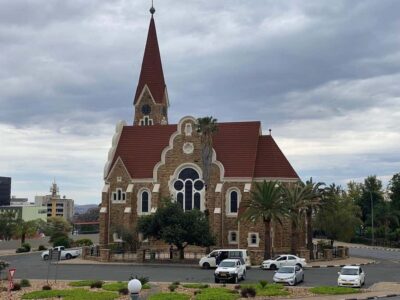

10-Day Namibia Highlights Guided Tour from Windhoek
Read our review →
Browse the lists this tour appears in