
Reviewed · NAMIB DESERT TOURS
NAMIB DESERT TOURS, Full-Day and Half-Day Tours from Swakopmund, Namibia
The desert begins just beyond town. This small-group tour takes you from Swakopmund into the ancient Namib Desert, where you can see Welwitschia plants, Lithops, rare lichens, Ringing Stones, dry riverbeds, Moon Valley, and shifting dunes in one long day. I especially like the strong mix of geology and wildlife, plus the chance to spend time with a local guide rather than simply being driven past the sights.
I also like the small maximum group of seven, which should make questions and quick roadside stops easier. The main drawback is the long, full schedule: the seven-hour version covers a lot of rough, open country, and the four-hour option skips lunch and part of the route.
- Welwitschia and Lithops: See two of the Namib’s most unusual plants, including a living fossil and plants that resemble stones.
- Local guiding: Hans-Dieter, a lifelong resident of Swakopmund, explains the desert, wildlife, politics, culture, and geology.
- Moon Valley and Goanikontes: Follow the dry Swakop River toward an oasis and a dramatic viewpoint inside Namib-Naukluft Park.
- Wildlife chances: Springbok, klipspringer, steenbok, baboons, ostriches, Rüppell’s korhaan, and Tractrac chats may appear.
- Seven-hour value: The longer trip includes a picnic lunch and reaches the river valley, Moon Valley, and dunes.
- Easy planning: Pickup is offered, the tour starts at 9:00 a.m., returns to the meeting point, and free cancellation is available up to 24 hours ahead.
In This Review
- What This Swakopmund Desert Tour Actually Does
- A Small Group With Room for Questions
- Entering the Namib Through the Swakop River
- Ringing Stones and Plants That Look Like Rocks
- Wildlife Spotting in Open Country
- Lunch and the Dry Swakop Valley
- Goanikontes and Moon Valley
- Finishing Among the Shifting Dunes
- How Much Is Seven Hours Worth at $75.16?
- Who Will Enjoy This Tour Most?
- Practical Details Before You Reserve
- Should You Book the Namib Desert Tour?
- FAQ
- Where does the tour start?
- What time does the tour begin?
- How long is the desert tour?
- Does the tour include lunch?
- What plants can I see?
- What wildlife might appear?
- Can I cancel for a full refund?
What This Swakopmund Desert Tour Actually Does

This is not a dune-sledding outing or a short photo stop outside town. It is a guided natural-history trip through the dry country east of Swakopmund, with the guide explaining why this coastal desert exists and how life survives in it.
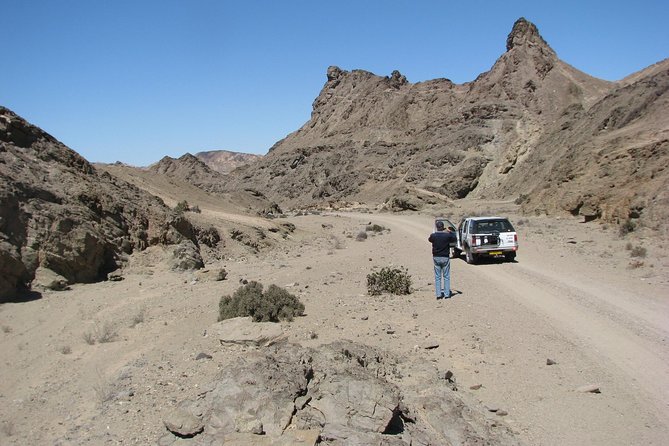
The seven-hour tour begins at Farmhouse Deli on the Mole in Swakopmund at 9:00 a.m. From there, you travel along smallholdings beside the northern bank of the Swakop River before leaving signs of settlement behind. The route then reaches the rocky Namib, follows the dry Swakop Valley, passes Goanikontes, enters Namib-Naukluft Park, and finishes near the shifting dunes around Swakopmund.
The four-hour version uses a shorter route. It does not include the lunch break, so you should choose it only if you want a more compact look at the desert or have other plans later in the day. If you have the time, the full-day route offers a better sense of how the area changes from rocky desert to river valley and sand.
A Small Group With Room for Questions
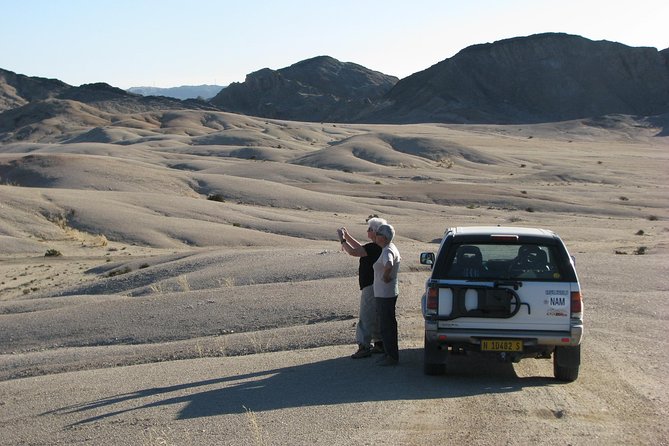
The maximum group size is seven people. That matters in a place where the best moments may be a small plant beside the road, a bird in the distance, or a patch of unusual rock that is easy to miss from a large vehicle.
A small group also suits this kind of outing because much of its value comes through explanation. You are not just ticking off Moon Valley and Welwitschia. You are learning what you are looking at and why it can survive in such a dry place.
Hans-Dieter receives especially strong praise for his guiding. He is German-speaking, grew up in Swakopmund, and has lived in Namibia all his life. His subjects range from plants and animals to history, politics, culture, terrain, and the country’s environmental conditions.
That broad local background is useful here. The desert can look empty if you do not know where to look. A guide who points out a lichen, a track, or a nearly invisible plant gives the scenery more meaning without turning the outing into a classroom lecture.
More Namib Desert Tours:
- Swakopmund: Moon Valley and Namib Desert Welwitschia Tour
★ 4.7 · 4 reviews - Full-Day Tour in Namib Desert from Swakopmund, Namibia
★ 5.0 · 3 reviews - Namib Desert Landscape Tour
★ 5.0 · 20 reviews
Entering the Namib Through the Swakop River
The first part of the route follows the smallholdings near the northern bank of the Swakop River. This gives you a gradual transition from the settled edge of Swakopmund into open desert.
Your guide explains the origin of the Namib and the geological and climatic conditions that shape this coastal region. That context is important because the Namib is not simply a place with very little rain. Its position along the coast creates a particular dry climate, and the tour uses the route to show how geology and weather affect the ground, plants, and animal life.
Soon, the signs of settlement fade. The rocky scenery replaces buildings and cultivated plots, and the trip becomes less about distance and more about close observation. Bring patience here. The Namib rewards you when you stop looking for a single grand attraction and start noticing small details.
Ringing Stones and Plants That Look Like Rocks
One of the early highlights is the group of stones known as the Ringing Stones. The name alone makes them worth seeing, but the guide’s explanation is what gives the stop its value. This is a quick reminder that the desert has geological surprises as well as rare plants.
The plant life is even more unusual. Lithops, also called Living Stones, are indigenous plants that can resemble small rocks. They are easy to overlook, which is exactly why a guide helps. You may pass them without noticing if nobody shows you where to focus your eyes.
The Welwitschia plant is the major botanical highlight. It is described as a living fossil and grows only in this part of the world. Seeing one in its natural setting gives you a better appreciation of the Namib’s age and harsh conditions than a photograph in a museum ever could.
You also look for rare lichens and other desert plants. Do not expect a garden-like display. These plants are scattered, subtle, and adapted to a place where water is scarce. The appeal lies in their toughness and strangeness, not in bright color or thick growth.
Wildlife Spotting in Open Country
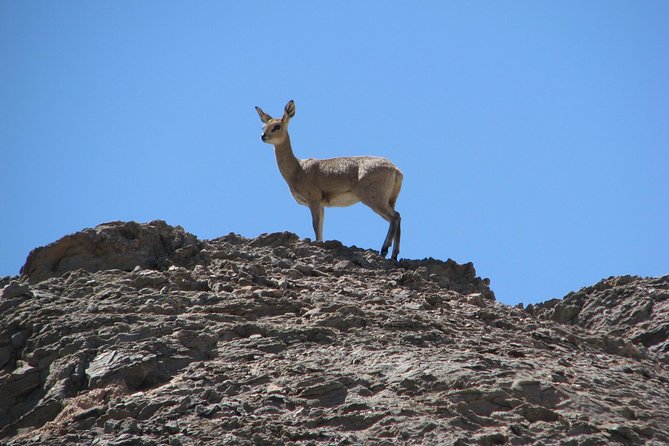
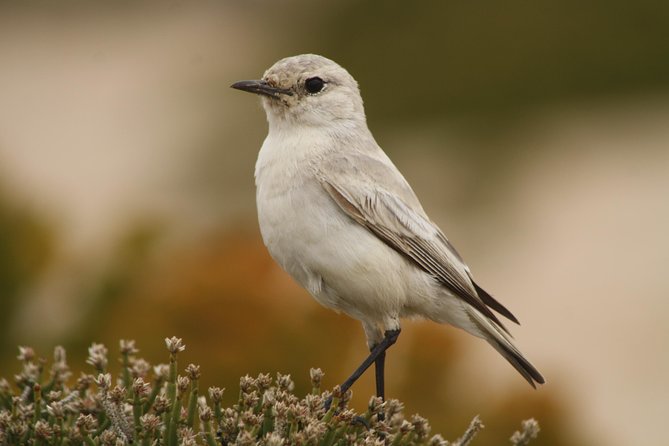
The tour gives you a chance to see wildlife, though no sightings are guaranteed. Possible animals include springbok, klipspringer, steenbok, baboons, ostriches, Rüppell’s korhaan, and Tractrac chats.
The list covers both large animals and small desert birds. That means you should keep your eyes moving, especially across the rocky ground and open distance. A springbok or ostrich is easier to spot than a small bird, but the smaller sightings may be the most satisfying if your guide helps you identify them.
This is not presented as a dedicated wildlife safari. The focus is the desert itself, with animals as an added possibility. If you want guaranteed game viewing, this is not the right type of excursion. If you enjoy the chance of seeing life in a difficult environment, the wildlife element adds interest without taking over the day.
A few more Swakopmund trips worth weighing up
- Walvis Bay: Sandwich Harbour Half-Day 4×4 Scenic Excursion
★ 5.0 · 426 reviews - Pelican Point Kayaking Half-Day Tour
★ 5.0 · 349 reviews - Half-Day Windhoek City and Township Cultural Tour
★ 4.5 · 187 reviews - Etosha National Park: Full or Half-Day Game Drive
★ 4.6 · 175 reviews
Lunch and the Dry Swakop Valley
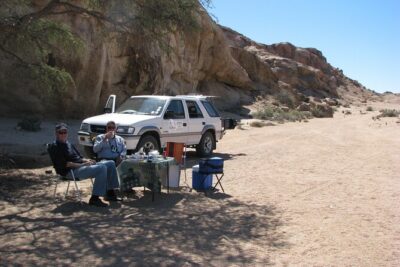
After the first section, the seven-hour tour includes a lunch break. The meal is described as a picnic lunch, and one particularly memorable lunch spot was in the shade beneath an overhang. That detail captures the practical pleasure of eating in the desert: shade is not decoration here, it is a welcome part of the experience.
The lunch also breaks up the long route. Without it, the full seven-hour trip could feel like one continuous ride through open country. You get time to pause, eat, and take in the surroundings before continuing along the Swakop Valley.
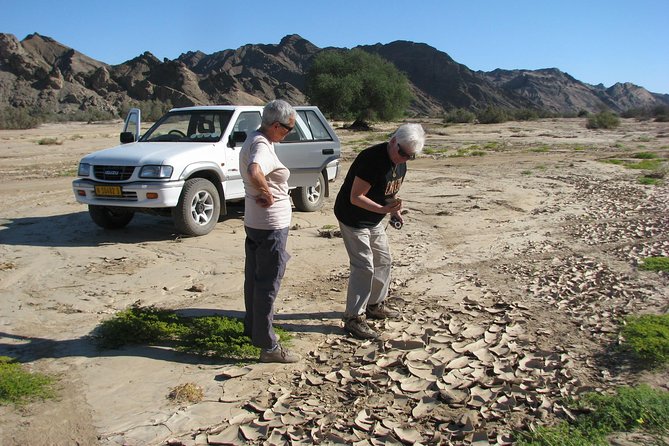
The riverbed is dry, but the route is not lifeless. Tamarisk, Prosopis, and Ana trees line parts of the Swakop Valley, creating a visible contrast with the bare rocky country. You can see how a dry river system supports a different type of plant life even when the channel itself has no flowing water.
This change in scenery is one of the best reasons to take the longer option. The tour does not show you only one version of the Namib. It moves from rocky desert to a dry valley with trees, then onward to an oasis and a viewpoint.
Goanikontes and Moon Valley
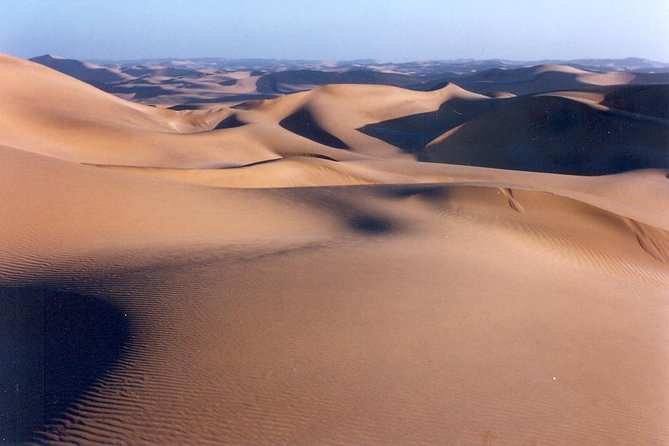
The route passes the oasis of Goanikontes before entering Namib-Naukluft Park. The word oasis may suggest a lush resort, so keep your expectations measured. Here, its value is the contrast it provides with the surrounding dry country and the way water changes the local setting.
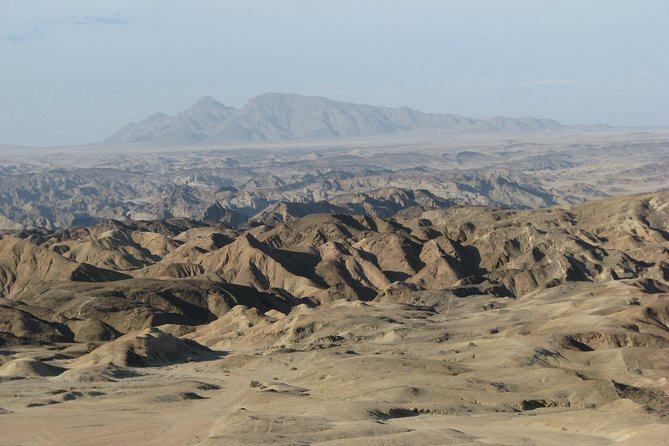
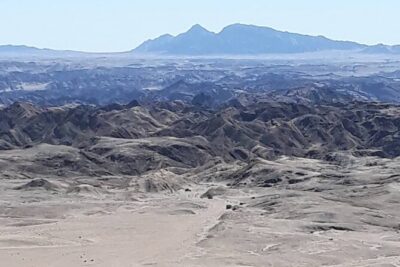
Inside the park, you view Moon Valley from a vantage point. The name is fitting for the stark, eroded formations and unusual gray tones, though the experience is best understood from the guide’s explanation of the terrain rather than from the label alone.
This stop is primarily about views and geology. It is a place to pause and look across the wide formations, not a site packed with buildings or formal attractions. That makes the guide’s comments especially useful because the meaning is in the shapes, rock, and dry river system.
For photographers, the open views should be rewarding, but conditions can be bright and exposed. A hat, water, and sun protection are sensible choices. These are practical desert needs, not optional extras.
Finishing Among the Shifting Dunes
The final section visits the shifting sand dunes near Swakopmund. This gives the tour a change of texture after the stones, plants, and dry valley. Instead of hard rock and bare riverbed, you finish with moving sand close to town.
The dunes also help explain why Swakopmund feels so unusual. The town sits near several very different desert forms, and this last stop brings the sandy side of the region into view without requiring a separate long outing.
Do not assume this means a full dune adventure with activities. The information provided describes a visit to the shifting dunes, not sandboarding, quad biking, or a climb with a special athletic focus. Think of it as a scenic final stop that completes the route.
How Much Is Seven Hours Worth at $75.16?
The listed price is $75.16 per person. For a tour lasting about seven hours, with transport, a small group, a guide, a picnic lunch, several distinct locations, and a route into Namib-Naukluft Park, that is a fair package if you want one organized desert day from Swakopmund.
The value comes from the range of stops rather than from one major attraction. You see the rocky Namib, Ringing Stones, unusual plants, possible wildlife, the dry Swakop Valley, Goanikontes, Moon Valley, and the dunes. Reaching all those places independently would require arranging transport and knowing where the plants and viewpoints are located.
The four-hour trip may make better financial and time sense if you want only an introduction. Still, the shorter route removes lunch and the second part of the journey, so you give up the valley, oasis, Moon Valley, and full route experience.
This tour is also typically booked about 65 days ahead. That suggests you should plan early if the date matters, especially when your Swakopmund stay is short. Confirmation arrives at booking, and pickup is offered, though the stated meeting point is Farmhouse Deli on the Mole.
Who Will Enjoy This Tour Most?
I would recommend the full-day version to you if you like natural history, unusual plants, local context, and slow-looking scenic routes. It is a good match for anyone who wants more than a quick drive to a famous viewpoint.
It also suits you if you value a guide who talks about Namibia as a whole. Hans-Dieter’s background in Swakopmund and his wide range of subjects add a human side to the geology and plants. His German-language guiding is an especially useful detail for German-speaking visitors.
The tour may be less suitable if you want an action-heavy outing. There is no stated sandboarding, quad biking, or other organized dune activity. The emphasis is on driving, stopping, observing, and listening.
Most people can participate, and the tour is near public transportation. Still, the long duration and desert setting mean you should be comfortable spending much of the day on an organized route through open country. The four-hour choice gives you a shorter alternative.
The strong rating of 4.9 from 11 reviews and a 100 percent recommendation record point to a very consistent experience so far. The praise centers on the guide, the explanations, the plants, Moon Valley, and the lunch, rather than on flashy extras. That is a good sign if you care about substance.
Practical Details Before You Reserve
The starting point is Farmhouse Deli on the Mole in Swakopmund. The tour begins at 9:00 a.m. and ends back at the meeting point, which makes it simpler to fit into a stay in town.
Pickup is offered, but you should check the exact arrangement when booking because the stated meeting point remains Farmhouse Deli. The mobile ticket and booking confirmation make the basic arrangements straightforward.
Free cancellation is available if you cancel at least 24 hours before the local start time. Changes or cancellations made inside that 24-hour window are not accepted for a refund, and the tour requires a minimum number of participants. If that minimum is not reached, you are offered another date or experience, or a full refund.
The tour is capped at seven people, but the supplied details do not specify vehicle type, exact lunch menu, walking distance, or accessibility arrangements. If any of those points matter to you, ask Kallisto Tours & Services before booking rather than guessing.
Should You Book the Namib Desert Tour?
Book it if you want a well-paced introduction to the desert around Swakopmund, especially if plants, geology, and local explanation interest you. The full-day trip offers the better value because it includes lunch and reaches the Swakop Valley, Goanikontes, Moon Valley, and the dunes.
I would choose the four-hour version only when time is tight or you prefer a shorter outing. For the fullest experience, reserve the seven-hour tour well ahead, particularly since it is often booked around 65 days in advance.
The best reason to go is the combination of a small group and a guide such as Hans-Dieter, who can turn a field of stones and sparse plants into a readable story about Namibia. The main caution is simple: this is a long desert day built around nature and interpretation, not high-speed entertainment. If that sounds like your kind of fun, the price is sensible and the route gives you a lot to see.
FAQ
Where does the tour start?
The tour starts at Farmhouse Deli on the Mole in Swakopmund, Namibia.
What time does the tour begin?
The stated start time is 9:00 a.m.
How long is the desert tour?
The full route lasts about seven hours. A shorter version lasts about four hours.
Does the tour include lunch?
The seven-hour tour includes a lunch break and a picnic lunch. The four-hour tour does not include a lunch break.
What plants can I see?
The route may include Welwitschia plants, Lithops, also called Living Stones, and rare lichens. Welwitschia is described as a living fossil found only in this geographical area.
What wildlife might appear?
Possible sightings include springbok, klipspringer, steenbok, baboons, ostriches, Rüppell’s korhaan, and Tractrac chats. Sightings are not guaranteed.
Can I cancel for a full refund?
Yes. You can cancel for a full refund up to 24 hours before the experience start time. Cancellations or changes made less than 24 hours before the start are not refunded or accepted.
More Full-Day
- Walvis Bay: Kayaking and Sandwich Harbour Full-Day Tour
★ 4.8 · 105 reviews - Sandwich Harbour & Pelican Point Full Day Tour
★ 5.0 · 27 reviews - Sandwich Harbour Full Day Excursion
★ 4.5 · 17 reviews - Sandwich Harbour Full Day 4×4 Adventure
★ 5.0 · 15 reviews
Just added around Swakopmund
- Pelican Point Peninsula Tour★ 5.0 · 3 reviews
- Cultural Tour in Swakopmund★ 5.0 · 3 reviews
- Swakopmund:Mondesa Cultural Township Tour★ 5.0 · 3 reviews
- Spitzkoppe : via Zeila Shipwreck★ 5.0 · 3 reviews
- Unforgettable Half Day Adventure, Explore Sandwich Harbour★ 5.0 · 3 reviews
- Spitzkoppe – Day Tour to the Spitzkoppe Mountain from Swakopmund★ 5.0 · 3 reviews
- Full-Day Tour in Namib Desert from Swakopmund, Namibia★ 5.0 · 3 reviews
- Walvis Bay Shore Excursion: Flamingos, Dune 7, Swakopmund★ 5.0 · 3 reviews
Namib Desert Tours, compared.
Cruise liner Special: Swakopmund and Namib Desert Highlights
Read our review →Cruise liner special: Swakopmund and Namib Desert Highlight Tour
Read our review →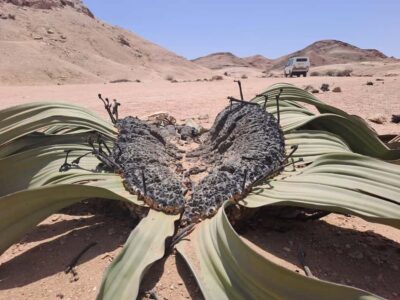
Full-Day Tour in Namib Desert from Swakopmund, Namibia
Read our review →Browse the lists this tour appears in