
Reviewed · WINDHOEK TOURS
Kapana & Traditional Food Tour; A Namibian Experience
Follow the smoke to Windhoek’s best street food. This four-hour tour takes you from your hotel into the Single Quarter township area for kapana, small pieces of beef grilled over an open fire and sold hot as they cook. I like the direct contact with local food sellers, and I like that the experience continues at a traditional restaurant rather than ending after one market snack. The main consideration is simple: this is a meat-focused outing, so vegetarians should skip it.
The private format makes the tour feel personal, especially when guides take time to explain ingredients and local eating habits. Guides including Helena, Victoria, Vicky, and Aune have been praised for their warmth and clear explanations. At $50 per person, the price is fair if you value transport, a guided market visit, kapana, a full traditional meal, and hotel pickup in one compact afternoon.
In This Review
- Key points to know before you book
- Why kapana belongs on your Windhoek food list
- Leaving central Windhoek for Single Quarter
- Watching kapana cook at Oshetu Local Market
- The social side of Namibia’s favorite street food
- Moving from street food to a traditional restaurant
- What the $50 price really includes
- Who will enjoy this food tour most
- Practical advice for getting the most from the afternoon
- Should you book the Kapana and Traditional Food Tour?
- FAQ
- Where does the Kapana and Traditional Food Tour begin?
- How long does the experience last?
- What food is included?
- Are drinks included?
- Is this a private tour?
- Is the tour suitable for vegetarians?
Key points to know before you book
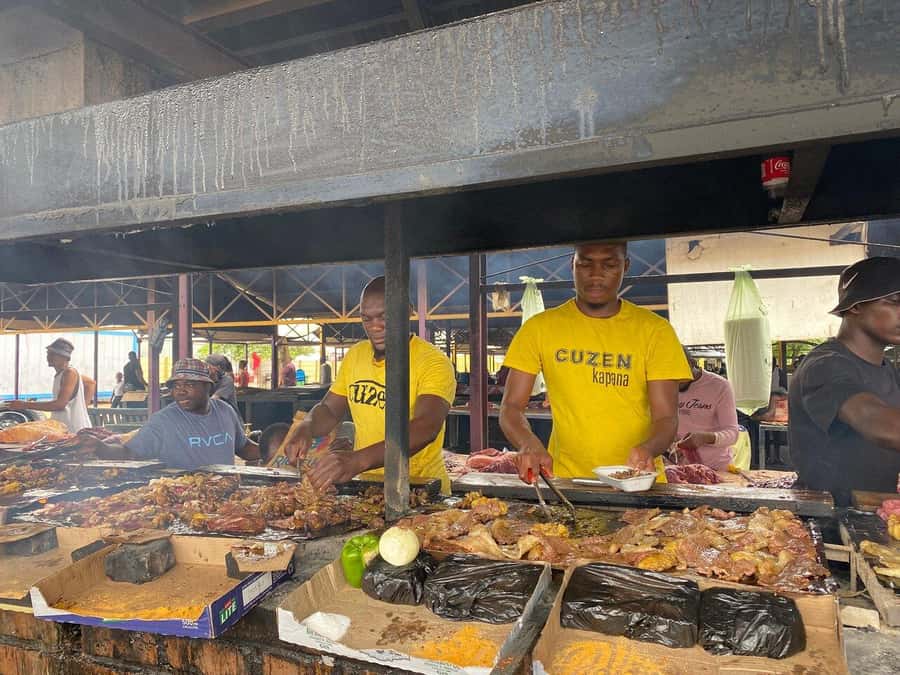
- Kapana is cooked to order: Watch beef being cut into small pieces, grilled over open flames, seasoned, and served while hot.
- Single Quarter and Oshetu Local Market add local context: You go beyond central Windhoek to see where much of the city’s everyday food culture takes place.
- The meal continues at a traditional restaurant: Expect more than a quick street-food stop, with several Namibian dishes to sample.
- Private groups keep the pace flexible: You can ask questions and spend more time discussing ingredients, preparation, and local customs.
- Guides are a major part of the experience: Helena, Victoria, Vicky, and Aune are specifically praised for being friendly, cheerful, and informative.
- The tour is not designed for vegetarians: Kapana and the food focus center on beef and other traditional meat dishes.
Why kapana belongs on your Windhoek food list
Kapana is more than grilled beef. In Windhoek, it is a social food ritual and a quick lesson in how people eat outside formal restaurants. The meat is cut into bite-sized pieces, placed over an open fire, and sold as it cooks. You see the preparation, smell the smoke, and eat the food close to its source.
The word kapana means meat in Oshiwambo. That name fits the dish’s straightforward character. It is not fussy food. It is hot, smoky, seasoned, and made for sharing.
The flavor comes from the fire and from the seasoning. Salt, pepper, chili flakes, and local spice blends may be used, along with a tomato and onion relish often called kapana sauce. Bread rolls, pap, and hot chili sauces can also appear alongside the beef.
I like this kind of food experience because it gives you something a restaurant alone cannot provide. You watch the vendor work, see the meat change over the flame, and learn how the dish fits into ordinary social life. Friends and families gather around kapana, talk over the food, and pass plates between them. You are not simply being served a finished dish. You are seeing a piece of daily life being prepared in front of you.
A few more Windhoek trips worth weighing up
- Sandwich Harbour 4X4 Excursion Tour Food and Drinks
★ 5.0 · 48 reviews
Leaving central Windhoek for Single Quarter
The outing begins with hotel pickup in Windhoek Central. Your English-speaking driver finds you at the hotel lobby or reception, then takes you toward the township area of Single Quarter.
That short drive matters. Central Windhoek can give you a limited view of the city, especially if your schedule keeps you near hotels, offices, and tourist services. This tour takes you into a different part of town and helps connect the food to the communities that prepare and eat it.
The experience is offered as a private group, which is useful here. A small party can ask direct questions without holding up a large group. You can talk about ingredients, cooking methods, and everyday life in Windhoek as the tour moves along.
The tour lasts about four hours, including transport, the market visit, kapana tasting, and the restaurant meal. Starting times depend on availability, so check the schedule before booking. Since the food stops are the heart of the outing, allow enough room afterward rather than treating this as a quick stop between tightly timed activities.
Watching kapana cook at Oshetu Local Market
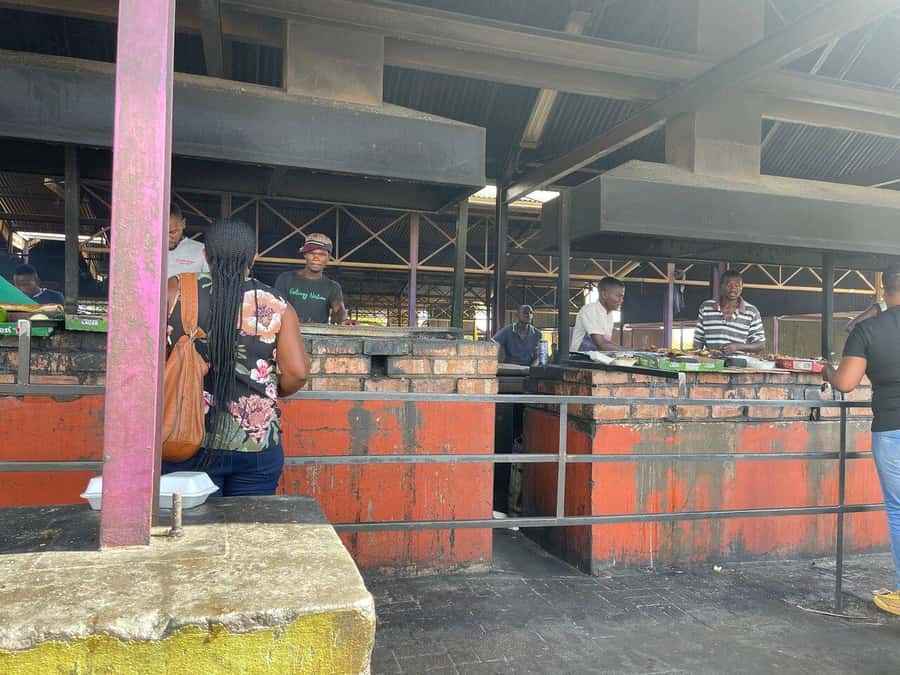
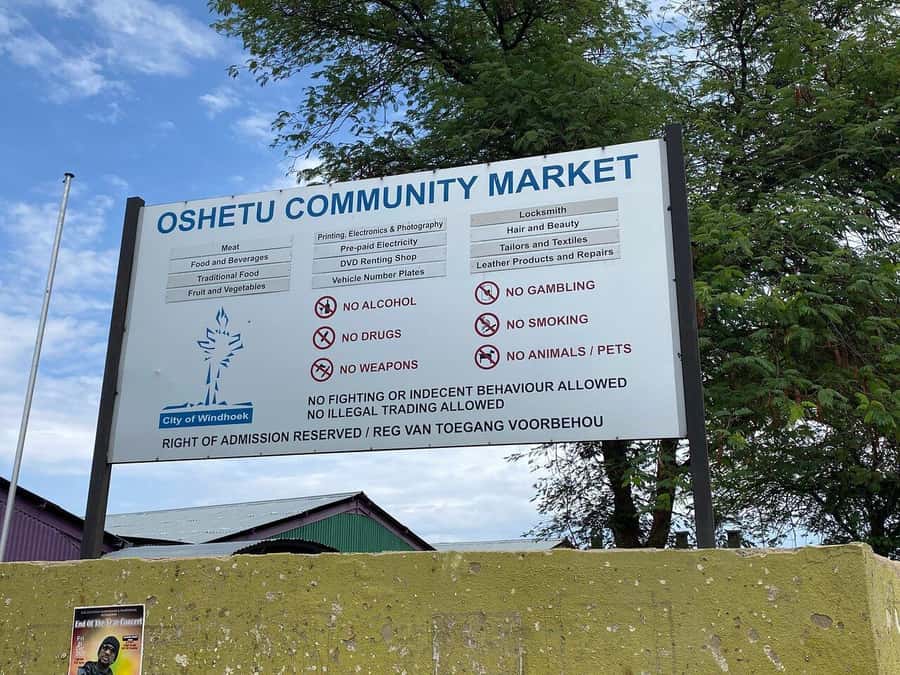
The market portion is the tour’s most distinctive stop. At Oshetu Local Market, you can watch kapana vendors grill beef over open flames and serve it in small portions while it is still hot.
This open-fire cooking creates a strong sensory experience. You get the smell of charcoal, the sound of meat cooking, and the sight of vendors working quickly as orders come in. The food is prepared in public, not hidden behind a kitchen door.
The interactive element is important. You may be able to select preferred cuts and discuss how well you would like them cooked. The exact choice can depend on the vendor and what is available that day, so think of it as a chance to take part rather than a formal restaurant order.
Kapana is commonly eaten with a spicy tomato and onion relish. You might also receive bread, pap, or chili sauce. If you are cautious with heat, ask your guide about the sauces before adding them. The spice is part of the appeal, but it can quickly dominate the smoky beef.
This stop is not polished or staged. That is precisely why it has value. You are seeing a working food market and eating a dish in the setting where it is normally prepared. The tradeoff is that market food is informal. The surroundings may be busy, and the experience is about the food and people rather than comfortable seating or table service.
The social side of Namibia’s favorite street food
Kapana works best as a shared meal. The meat arrives in pieces, making it easy to taste a little, add relish, and talk while you eat. That communal style is a useful window into Namibian hospitality.
Your guide helps turn the market visit into more than a snack. The tour gives you someone who can explain what you are seeing and help with questions about ingredients and cooking. This is especially useful if you have never encountered kapana or are unsure how to combine it with the sauces and sides.
The strongest praise for this experience centers on the guides. Helena is singled out for her explanations of common ingredients, how they are prepared, and what they are used for. Other visitors describe Helena, Victoria, Vicky, and Aune as friendly, cheerful, and engaging meal companions.
That personal contact can make a large difference. A market can be interesting but confusing if you walk through it alone. With a guide, you can connect the food stall to wider questions about Windhoek, township life, and local eating habits without turning the visit into a lecture.
Bring a camera if you want to record the cooking and market setting. Bring cash as well, since it is listed among the recommended items. Drones are not allowed, and explosive substances are prohibited. Those last rules are obvious, but the cash reminder is the one worth remembering.
A completely different sort of day out of Windhoek:
- Windhoek: City and Township Tour
★ 4.8 · 430 reviews - Half-Day Windhoek City and Township Cultural Tour
★ 4.5 · 187 reviews - Windhoek: Bushman Walk with the San
★ 4.9 · 145 reviews - 6-Day Dunes and Wildlife Accommodated Safari from Windhoek
★ 5.0 · 123 reviews
Moving from street food to a traditional restaurant
After the kapana session, the tour continues by vehicle to a local restaurant for a traditional meal. This second food stop gives the afternoon more range than a single meat tasting.
The restaurant is described as a small local place in Katutura, in one account, run by a young woman with strong cooking experience. That detail gives the meal a more personal feel than a large commercial dining room. The setting may vary, but you should expect a local restaurant rather than a formal fine-dining venue.
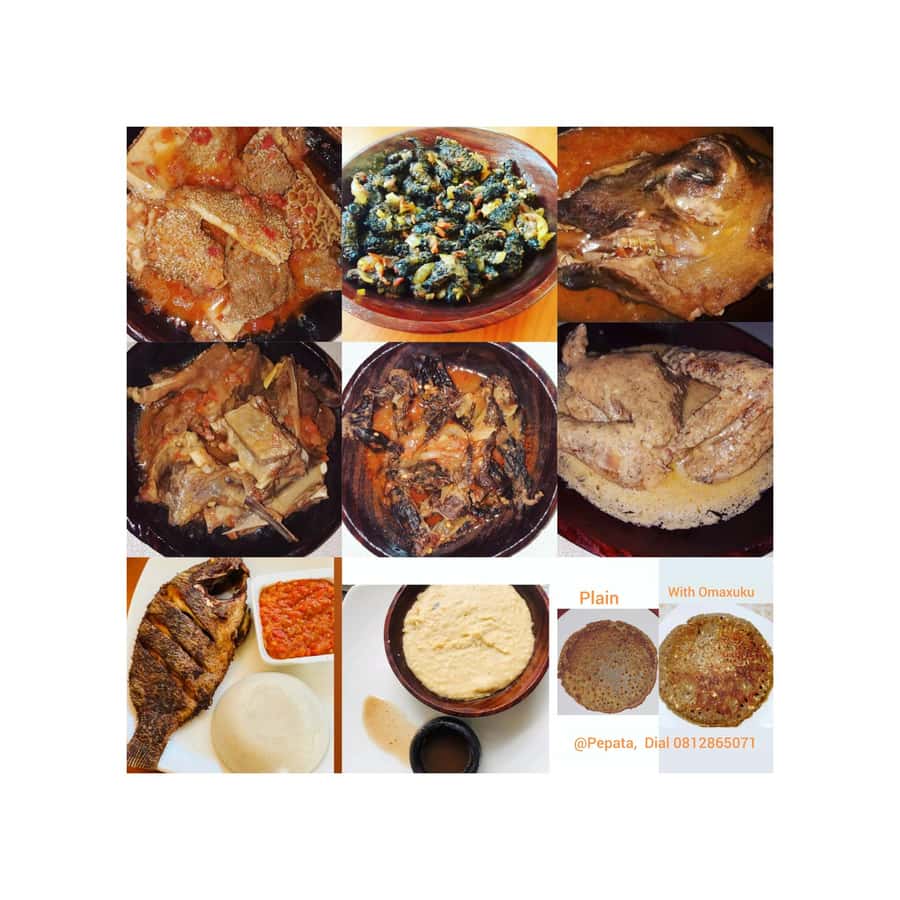
You can sample a selection of traditional Namibian dishes. Pap may be part of the meal, and the restaurant can offer several choices. Portions are generous, which is good value but creates a practical challenge: you may need to limit how much you take if you want to try many dishes.
I would treat the restaurant stop as a tasting meal rather than ordering one large plate and stopping there. Ask your guide what each dish contains and how it is normally eaten. The food descriptions and ingredient explanations are one of the most useful parts of the tour, especially if you are trying to make sense of unfamiliar dishes.
The restaurant also slows the experience down. At the market, you watch food being cooked and eat in an informal setting. Here, you have more time to sit, compare flavors, and continue the conversation. Guides have been praised for joining the meal and keeping the discussion lively, which makes the restaurant stop feel like part of the tour rather than a simple lunch break.
What the $50 price really includes
At $50 per person, this tour offers solid value for a four-hour private experience. The fee includes hotel pickup and drop-off, transport during the tour, petrol, kapana, traditional food, and mineral water.
You are paying for more than the food itself. A taxi to the township, help navigating the market, explanations from an English-speaking guide, and two different food settings would cost time and planning if arranged separately. The private group format adds another layer of value for couples, families, or friends who want to ask questions at their own pace.
The strongest value comes if you are interested in local food and want context with it. If you only want a cheap plate of grilled beef, you can likely find food for less. But this tour gives you the ride, the market introduction, the explanations, and the restaurant meal in one package.
Beverages are not included beyond mineral water. Budget separately if you want soft drinks or other drinks with lunch. The generous restaurant portions can also work in your favor, especially if you are happy to share and sample rather than order extra dishes.
The tour allows free cancellation up to 24 hours in advance for a full refund, and you can reserve now and pay later. Those terms are helpful if your Namibia plans are still shifting.
Who will enjoy this food tour most
This experience suits you if you are open to unfamiliar dishes, enjoy street food, and want to see more of Windhoek than the central district. It is also a good choice for a first visit because the guide provides a bridge between the market, the meal, and the wider city.
Food-focused couples and private groups should appreciate the format. Solo visitors can also benefit. One solo participant described having plenty of time to chat and learn about Windhoek and Namibia, which is a good sign for anyone who does not want to eat alone in an unfamiliar market.
The tour is especially useful for visitors who want cultural context without signing up for a long city excursion. Four hours is enough to make the food the main subject while still showing you a different part of Windhoek.
This is not the right choice for vegetarians. The tour centers on kapana and traditional meat dishes, and no vegetarian alternative is specified. It may also disappoint you if you prefer quiet dining, fixed menus, or carefully controlled spice levels.
Practical advice for getting the most from the afternoon
Arrive hungry, but not empty. Kapana is only the first major food stop, and the restaurant portions are generous. A light breakfast or early snack will leave room for tasting without making the first meal uncomfortable.
Ask questions early. Find out which sauces are hot, what each side dish is called, and whether the beef can be cooked to your preference. Your guide can help you make choices and explain the food in plain terms.
Wear clothes suitable for a casual market outing. The supplied information does not specify a dress code, but this is an open-fire, street-food experience, not a formal restaurant visit. Keep your camera and cash handy, and remember that drinks are extra.
Expect the day to be educational as well as tasty. The best part is not simply finding out if you like kapana. It is understanding why the dish matters, how it is prepared, and how food brings people together in Windhoek.
Should you book the Kapana and Traditional Food Tour?
Book it if you want a friendly introduction to Namibian food with real local settings, not just a restaurant meal designed for tourists. The combination of Oshetu Local Market, open-fire kapana, a traditional restaurant, private transport, and personable guides gives the afternoon a clear purpose.
I would be especially comfortable recommending it to adventurous eaters, solo visitors, and anyone curious about township food culture. The high rating of 4.8 from 21 bookings fits the experience’s strongest qualities: warm guides, generous food, and a market visit that feels relevant to daily life.
Skip it if you are vegetarian, dislike grilled meat, or want a strictly scheduled sightseeing tour. For everyone else, $50 is a sensible price for four hours of food, transport, conversation, and local perspective in Windhoek.
FAQ
Where does the Kapana and Traditional Food Tour begin?
Pickup is provided from your accommodation or hotel in Windhoek Central. The driver will find you at the hotel lobby or reception.
How long does the experience last?
The tour lasts four hours, including transport, the market visit, kapana tasting, and the traditional restaurant meal.
What food is included?
The price includes kapana and traditional food at a local restaurant. Mineral water is also included.
Are drinks included?
Only mineral water is included. Other beverages are not included in the price.
Is this a private tour?
Yes. The experience is operated for a private group, with an English-speaking driver.
Is the tour suitable for vegetarians?
No. The experience is not suitable for vegetarians because it focuses on kapana and traditional meat-based food.
Just added around Windhoek
- Knight Vibes: Bars, Shebeen, Clubs Crawl Windhoek★ 5.0 · 3 reviews
- 10 DAYS BEAUTY OF NAMIBIA | Guided Lodge★ 5.0 · 3 reviews
- From Windhoek: 3-Day Sossusvlei Shared Shuttle Tour★ 3.8 · 3 reviews
- 3 day Sossusvlei Camping★ 5.0 · 3 reviews
- Windhoek: Katutura Township Tour with Local Guide★ 3.5 · 3 reviews
- Windhoek: City & Township tour. Vehicle, guide, kapana★ 4.2 · 4 reviews
- Airport Transfers★ 5.0 · 5 reviews
- Predator Encounter: Half-Day Carnivore Feeding Windhoek★ 4.0 · 5 reviews
Windhoek Tours, compared.
Half-Day Windhoek City and Township Cultural Tour
Read our review →
6-Day Dunes and Wildlife Accommodated Safari from Windhoek
Read our review →

10-Day Namibia Highlights Guided Tour from Windhoek
Read our review →
Browse the lists this tour appears in