
Reviewed · WINDHOEK TOURS
Discover the Routes of N/a’an ku sê.
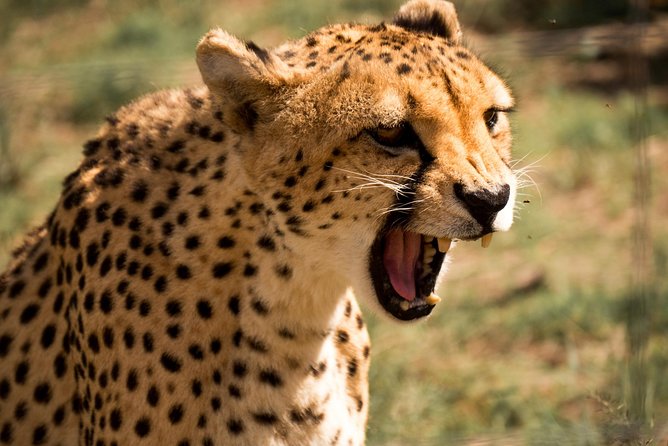
Predators make a memorable afternoon. This half-day outing from Windhoek takes you into N/a’an ku sê Wildlife Sanctuary, where you may see lions, cheetahs, wild dogs, leopards, caracals, hyenas, baboons, and other animals in care. I like the chance to learn about rescued ambassador animals, and I like that feeding sessions add movement and purpose to the drive. The main caution is simple: this is a sanctuary, not a free-roaming safari, so animals may be viewed from secure enclosures and close-up photography is not guaranteed.
I also like the small-group promise, listed as a maximum of three people, because it should give you more time with the guide and better chances to ask questions. Pickup is offered, the tour starts at 1:30 pm, and the experience costs $136.71 per person. One published account praised the driver as very pleasant and helpful, but found the caged viewing disappointing. That is the key choice here: conservation access and education, rather than a classic wild-animal safari.
In This Review
- Key points about N/a’an ku sê
- What this N/a’an ku sê outing really offers
- The 1:30 pm start and the drive from Windhoek
- Three hours among rescued predators
- Feeding time gives the visit its rhythm
- Photography: good chances, limited control
- The conservation lesson behind the enclosures
- Small groups, with one detail to verify
- Is $136.71 a fair price?
- Who will enjoy this experience most?
- Weather, cancellation, and practical planning
- Should you book the N/a’an ku sê experience?
- FAQ
- Where does the N/a’an ku sê experience take place?
- What time does the tour start?
- How long does the experience last?
- Which animals might I see?
- Are feeding sessions included?
- Can I take close-up photographs of the animals?
- What happens if bad weather cancels the tour?
Key points about N/a’an ku sê
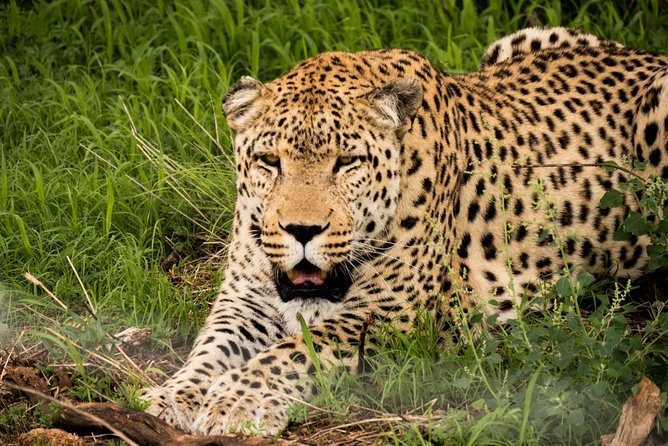
- Feeding sessions bring the animals into view: The scheduled feeding periods may offer some of the clearest chances to see lions, cheetahs, wild dogs, baboons, and other residents.
- The animals are rescued, not simply displayed: Some were saved from lives as dangerous household pets and cannot return to the wild.
- The tour begins at 1:30 pm: Allow about five hours for the full outing, with around three hours spent at the sanctuary itself.
- Expect a secure viewing setup: Safety barriers and enclosures are part of the experience, and they limit close-up photographs.
- The small-group format can be a real advantage: The experience is promoted for up to three people, though general activity details also mention a maximum of 13, so confirm the group size when booking.
- The price reflects more than a wildlife sighting: At $136.71, you are paying for transport, a guided reserve drive, feeding access, and conservation education.
What this N/a’an ku sê outing really offers
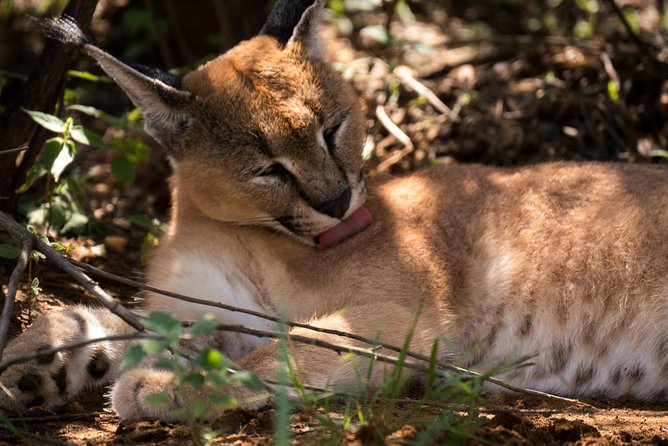
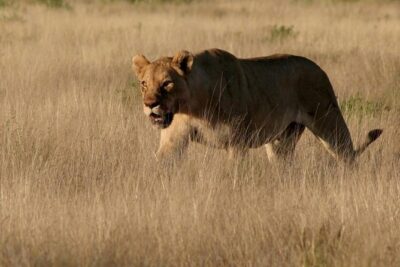
N/a’an ku sê is best understood as a wildlife sanctuary and conservation center, not a standard game drive through untouched bush. The animals you see may include baboons, caracals, lions, cheetahs, African wild dogs, and leopards, along with hyenas and other wildlife found around the reserve.
That difference matters. If your main goal is to photograph a lion walking freely across open ground, this outing may leave you wanting more. If you want to understand what happens to animals that cannot safely return to the wild, the visit has a stronger purpose.
The sanctuary cares for ambassador animals. These are animals that help people learn about their species when release is not possible. Some have been rescued from lives as exotic or dangerous pets. Their presence gives the guide a chance to explain animal behavior, habitat, and the difficult decisions involved in wildlife rescue.
I find that setting more useful than a quick animal checklist. You are not only asking how many species you saw. You are also learning why a particular animal lives under human care, what it needs, and how people try to protect it without pretending that captivity is the same as freedom.
A few more Windhoek trips worth weighing up
- Windhoek: City and Township Tour
★ 4.8 · 430 reviews - Half-Day Windhoek City and Township Cultural Tour
★ 4.5 · 187 reviews - Windhoek: Bushman Walk with the San
★ 4.9 · 145 reviews
The 1:30 pm start and the drive from Windhoek
The experience begins at 1:30 pm, with pickup offered. The full outing lasts about five hours, while the sanctuary portion is listed at three hours. That leaves time for the journey to and from the reserve, so this is best treated as a substantial afternoon commitment rather than a short stop.
Pickup can simplify your day in Windhoek. You do not have to arrange your own route to the sanctuary, and a driver familiar with the outing can make the transfer less stressful. One account gave the driver strong praise for being friendly and obliging, which is useful context for anyone who values a smooth ride as much as the wildlife portion.
The start time also shapes what you should expect. You are not arriving for an early-morning wildlife outing. This is an afternoon program built around the sanctuary drive and feeding sessions. Keep your schedule open around the stated five-hour duration, since the exact timing can depend on transport and the day’s activities.
A mobile ticket is provided, and confirmation arrives at booking. The meeting details should still be checked carefully, especially if you are relying on pickup rather than making your own way there.
Three hours among rescued predators
The central part of the visit is a guided drive through the sanctuary. You may encounter baboons, caracals, lions, cheetahs, African wild dogs, and leopards. Hyenas and other animals may also appear, and some wildlife roams freely in parts of the reserve.
The word may is important. No wildlife outing can promise that every animal will be visible, active, or positioned for a perfect photograph. Feeding periods improve the odds of seeing particular animals, but they do not turn the experience into a staged photo session.
The guide explains animal behavior and habitat as you move through the sanctuary. That helps give meaning to what you are seeing. A cheetah is not just a fast cat behind a barrier, and a wild dog is not simply another predator on a list. You learn about the animal as an individual in care and as part of a larger conservation effort.
Baboons and caracals can add variety to the visit, especially if you have already seen larger cats elsewhere in Namibia. Lions, cheetahs, leopards, wild dogs, and hyenas attract most of the attention, but the smaller or less familiar species often give the guide room to explain different habits and needs.
The route can also include animals roaming beyond the main enclosures. That creates a less predictable viewing experience. You might spot wildlife along the way, or you might spend more time focused on the sanctuary’s resident animals and their feeding routines.
Feeding time gives the visit its rhythm
Feeding sessions are one of the strongest reasons to choose this experience. They give the three-hour sanctuary visit a clear structure and may bring animals into visible positions. For photography, feeding time can offer better action than a quiet animal resting in a shaded corner.
It also creates a good teaching moment. The guide can explain what each animal eats, how it behaves around food, and why feeding must be handled with care. You get a closer look at the practical side of caring for powerful predators.
Still, feeding time should not be confused with direct interaction. These animals are wild and dangerous, even though they are under human care. The sanctuary does not allow visitors to enter the enclosures, and viewing takes place from a safe distance.
That safety rule was the source of the strongest criticism in the available feedback. One person expected very close photographs and felt that looking through bars made the experience resemble a zoo visit. The provider explained that the animals cannot be approached closely because they are wild and dangerous.
I think that criticism is fair as a warning, even if the safety policy is entirely reasonable. If your camera plans depend on a close-up portrait through an open viewing area, adjust your expectations. You may get worthwhile images, but the barriers can affect angles, reflections, and distance.
A completely different sort of day out of Windhoek:
- 6-Day Dunes and Wildlife Accommodated Safari from Windhoek
★ 5.0 · 123 reviews - Windhoek City Tour
★ 5.0 · 113 reviews - 10-Day Namibia Highlights Guided Tour from Windhoek
★ 5.0 · 78 reviews - 12 Day Classic Namibia Camping Safari
★ 5.0 · 77 reviews
Photography: good chances, limited control
The tour is promoted as offering strong photography opportunities throughout the visit. That is believable in the broad sense: you are spending time around striking predators and other wildlife, and feeding sessions can add movement.
But wildlife photography always has two sides. The animals decide where to stand, and the sanctuary decides how close you can safely get. At N/a’an ku sê, the second point is especially important because secure enclosures are part of the setup.
Bring a camera or phone if you enjoy recording the visit, but do not book this solely for close-up portraits. The best images may come from patient observation, changing angles, and moments when an animal moves into a clearer position. A telephoto lens could help, but no equipment can remove the barriers or guarantee a particular composition.
The restrictions may frustrate serious photographers. They are also a sign that the sanctuary puts animal safety first. You are visiting a place that protects rescued predators, not a facility designed to let people get as close as possible for pictures.
The conservation lesson behind the enclosures
The strongest part of this experience is its conservation message. N/a’an ku sê protects animals that cannot be released back into the wild, including some rescued from dangerous lives as pets.
That backstory gives the sanctuary a different purpose from a traditional zoo. You are seeing the consequences of human choices, especially the decision to keep wild animals in unsuitable domestic settings. The guide can connect the individual animals you see with wider questions about habitat, rescue, rehabilitation, and responsible care.
Not every animal in human care can be returned to nature. An animal may have become too dependent on people, may lack the skills needed to survive, or may pose a serious risk. In those cases, a protected home becomes the safer option, even though it is not the same as freedom.
This is where the tour can be most rewarding for families and first-time visitors to Namibia. Children may focus on the lions or cheetahs, while the guide explains why the animals are there. Adults get a more complicated and honest picture of conservation, one that includes limits and hard choices.
I would choose this experience for someone who wants a guided introduction to N/a’an ku sê’s work. I would not choose it as the only wildlife outing in Namibia if your priority is seeing animals in completely open territory.
Small groups, with one detail to verify
The highlights describe a maximum of three people, which is a major benefit. A group that small can feel more personal, and you should have more freedom to ask questions about particular animals. It can also make the vehicle ride and photography less crowded.
There is a small inconsistency in the published details. The general activity information gives a maximum of 13 participants, while the experience highlights a maximum of three. Since group size can change the feel of a wildlife outing, confirm the expected number before paying if this is important to you.
Even a larger group would still be manageable for a five-hour guided experience, but it could mean less room for individual questions and more competition for viewing positions. The small-group promise is one of the tour’s best selling points, so it deserves a clear answer from the provider.
Is $136.71 a fair price?
At $136.71 per person, this is not a bargain-priced afternoon. The value depends on what you want from the outing.
The price makes more sense if you value pickup, a guided reserve drive, access to feeding sessions, and a focused introduction to rescued wildlife. The conservation education adds substance that you would not get from simply passing an animal enclosure on your own.
The price is harder to justify if you mainly want guaranteed close-up photographs or a classic safari experience. You are not paying for unrestricted access, and the animals may be behind bars or other secure barriers. The reserve setting and possible free-roaming wildlife add interest, but sightings remain uncertain.
I would compare the cost with your complete Namibia plan. If you already have several open-country game drives scheduled, this outing can provide a useful change of pace by showing the rescue and care side of wildlife protection. If this is your only wildlife activity, make sure you are comfortable with the sanctuary format before booking.
Who will enjoy this experience most?
I would recommend it most strongly to:
- First-time visitors who want an introduction to Namibian predators
- Families interested in animal welfare and conservation
- Photographers who accept distance and barriers as part of ethical wildlife viewing
- Visitors without their own transport from Windhoek
- People who prefer a small guided outing with time for questions
- Anyone curious about animals rescued from life as dangerous pets
I would be more cautious if you need a fully wild safari setting. You may also be disappointed if your main goal is to stand close to lions, cheetahs, or leopards for unobstructed photos.
The tour suits curious observers better than checklist hunters. You should arrive ready to listen, watch, and accept that the most valuable part may be the story behind an animal rather than the perfect image.
Weather, cancellation, and practical planning
The experience requires good weather. If poor weather causes cancellation, you are offered another date or a full refund. You can also cancel for a full refund up to 24 hours before the 1:30 pm start time.
That 24-hour rule is worth noting. Cancellations made less than 24 hours before the start, along with late changes, are not refunded. Cutoff times follow local time in Namibia.
Most people can participate, and the meeting point is near public transportation. Pickup is offered, which may be the simplest choice for visitors staying in Windhoek. Since the tour lasts about five hours, plan for an afternoon and evening block rather than trying to fit several other activities around it.
Should you book the N/a’an ku sê experience?
Book it if you want a guided look at rescued predators, feeding sessions, and the conservation work behind animals that cannot return to the wild. The friendly driver service, possible small group, and wide range of species make it an appealing introduction to N/a’an ku sê.
Skip it if you want only open-range wildlife viewing or close-up photographs without barriers. The disappointment described in the feedback came from treating the sanctuary like a conventional safari. Go in expecting safe, controlled access and an honest lesson in animal care, and the $136.71 price can feel worthwhile.
FAQ
Where does the N/a’an ku sê experience take place?
It takes place at N/a’an ku sê Wildlife Sanctuary near Windhoek, Namibia.
What time does the tour start?
The tour starts at 1:30 pm.
How long does the experience last?
The full experience lasts about five hours. Around three hours are spent at N/a’an ku sê Wildlife Sanctuary.
Which animals might I see?
You may see baboons, caracals, lions, cheetahs, African wild dogs, leopards, hyenas, and other wildlife in the reserve.
Are feeding sessions included?
Yes. The sanctuary visit includes opportunities to watch feeding sessions led by the guide.
Can I take close-up photographs of the animals?
Photography is encouraged, but the animals are wild and dangerous. Secure enclosures and viewing barriers limit how close you can get, so very close-up photographs are not guaranteed.
What happens if bad weather cancels the tour?
You will be offered a different date or a full refund if poor weather causes cancellation. You can also cancel up to 24 hours before the start time for a full refund.
Just added around Windhoek
- Knight Vibes: Bars, Shebeen, Clubs Crawl Windhoek★ 5.0 · 3 reviews
- 10 DAYS BEAUTY OF NAMIBIA | Guided Lodge★ 5.0 · 3 reviews
- From Windhoek: 3-Day Sossusvlei Shared Shuttle Tour★ 3.8 · 3 reviews
- 3 day Sossusvlei Camping★ 5.0 · 3 reviews
- Windhoek: Katutura Township Tour with Local Guide★ 3.5 · 3 reviews
- Windhoek: City & Township tour. Vehicle, guide, kapana★ 4.2 · 4 reviews
- Airport Transfers★ 5.0 · 5 reviews
- Predator Encounter: Half-Day Carnivore Feeding Windhoek★ 4.0 · 5 reviews
Windhoek Tours, compared.
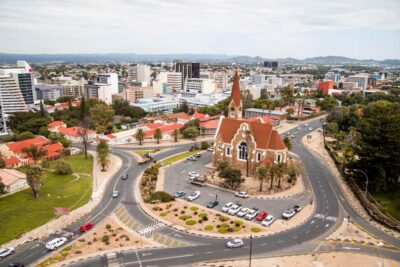
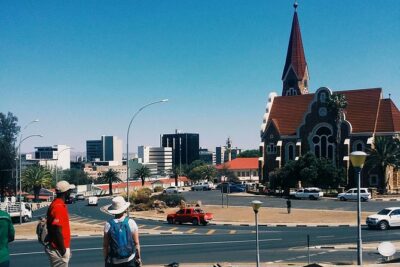
Half-Day Windhoek City and Township Cultural Tour
Read our review →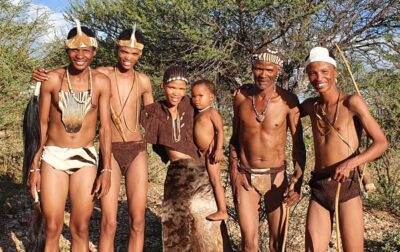
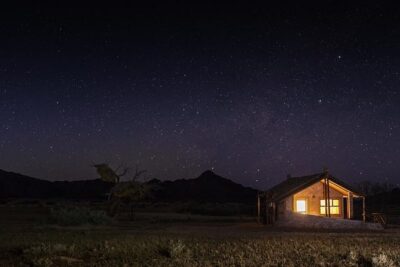
6-Day Dunes and Wildlife Accommodated Safari from Windhoek
Read our review →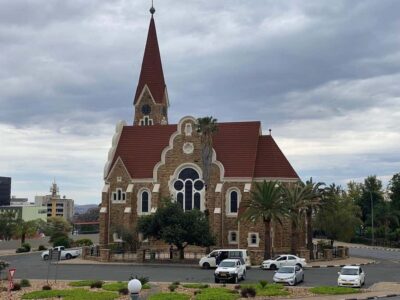
10-Day Namibia Highlights Guided Tour from Windhoek
Read our review →
Browse the lists this tour appears in