
Reviewed · WINDHOEK TOURS
Discover the Roots of N/a’ankuse – A feeding Day Tour
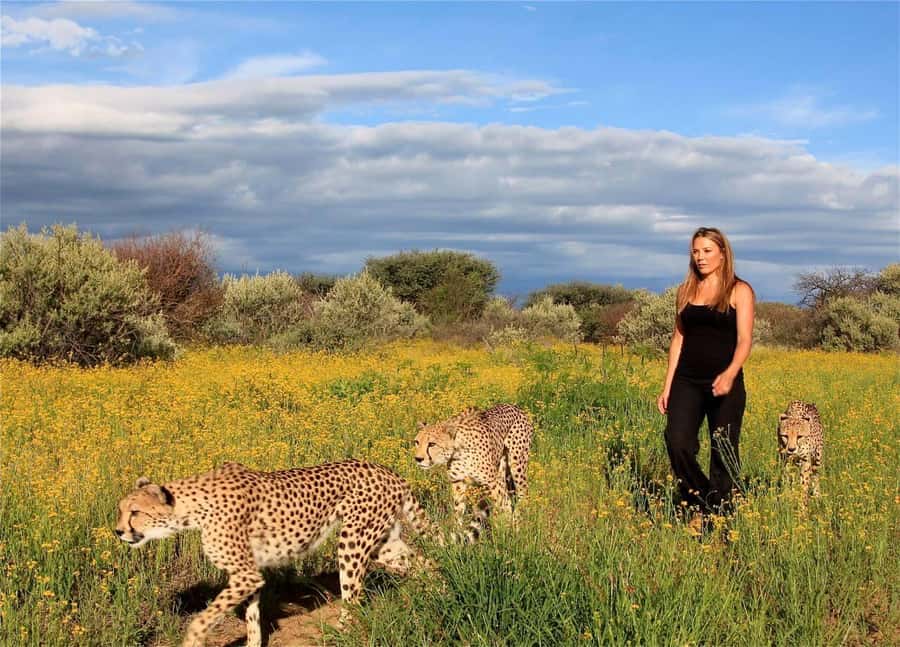
Predators are the stars of this half-day outing. From Windhoek, you travel to N/a’an ku sê for a guided feeding session with cheetahs, caracals, African wild dogs, leopards, and baboons. I like the small group size, limited to five people, and I like the chance to hear why these animals came to the sanctuary rather than simply ticking them off a wildlife list.
The scenery on the drive is another reason to go, and the return hotel transport makes the day easy to manage. The main caution is value: at $180 per person, this is not a cheap wildlife outing, especially since it is a feeding tour rather than a traditional game drive and animal numbers may vary.
In This Review
- Key points to know before booking
- The 08:30 pickup makes this an easy Windhoek day trip
- N/a’an ku sê offers a different kind of wildlife encounter
- The feeding session is the main event
- Why the guide matters so much
- The drive and scenery add value, but do not confuse it with a safari
- Is $180 a fair price?
- What to bring for a smoother visit
- Who will enjoy this feeding tour most?
- Booking flexibility and practical details
- Should you book N/a’an ku sê’s feeding day tour?
- FAQ
- Where does the N/a’an ku sê feeding tour depart from?
- How long does the experience last?
- Is this a game drive?
- Which animals may I see?
- What language is the tour conducted in?
- What is included in the price?
Key points to know before booking
- The animals are fed during the tour: This is a scheduled feeding experience, not a free-roaming safari drive.
- The predator line-up is impressive: You may see cheetahs, caracals, leopards, African wild dogs, and baboons.
- The group is very small: A maximum of five people allows you to stay close to the guide and ask questions.
- Transport begins in central Windhoek: Pickup and drop-off are available at Avani Windhoek Hotel & Casino and Hilton Windhoek.
- The full outing lasts about six hours: Pickup is at approximately 08:30, with a return to Windhoek around 14:00.
- The tour supports conservation work: The feeding stories explain how animals arrived at N/a’an ku sê and introduce the sanctuary’s wider mission.
The 08:30 pickup makes this an easy Windhoek day trip
The morning begins with pickup at either Avani Windhoek Hotel & Casino or Hilton Windhoek. That is useful if you are staying at one of these hotels, since you do not need to arrange a separate taxi or find your way to a distant meeting point.
The drive from Windhoek to N/a’an ku sê is part of the experience. You get changing views across Khomas, and the route gives you time to settle into the day before the animal session begins. Keep your camera and charged smartphone ready during the drive. The information provided does not promise wildlife sightings on the road, but you may spot baboons or other animals moving through the reserve area.
The timing is well suited to a short stay in Windhoek. You leave in the morning and return at roughly 14:00, leaving the rest of the afternoon open. It is a practical choice if you have a flight, another activity, or simply want one focused wildlife outing without giving up a full day.
One point to keep in mind is that the drive itself is not described with a precise duration. Most of the six-hour schedule includes transport and the guided visit, so you should not expect hours of slow safari driving before reaching the sanctuary.
A few more Windhoek trips worth weighing up
- Windhoek: City and Township Tour
★ 4.8 · 430 reviews - Half-Day Windhoek City and Township Cultural Tour
★ 4.5 · 187 reviews - Windhoek: Bushman Walk with the San
★ 4.9 · 145 reviews
N/a’an ku sê offers a different kind of wildlife encounter
N/a’an ku sê is presented here as a conservation setting where you learn about animals that have ended up at the sanctuary. The central idea is not to search for a lucky sighting. Instead, the guide feeds the animals while explaining their backgrounds and the work involved in caring for them.
That difference matters. A classic game drive depends on timing, luck, and animal movement. This outing gives you a more reliable chance to see particular predators, but the encounter is structured around feeding. You are not simply watching animals behave without human involvement.
I find that format useful for anyone who wants context. You hear how individual animals came to the sanctuary and why conservation centers may need to care for predators that cannot return to the wild. At the same time, you should book with clear expectations. If your ideal day means tracking wild cats across open country, this may not be the right choice.
The tour is also a good introduction to N/a’an ku sê’s conservation goals. The session connects the animals in front of you with a larger story about protection, rescue, and long-term care. The precise conservation details are delivered by the guide, so the quality of the explanation will shape much of your visit.
The feeding session is the main event
The guided visit at Naankuse Lodge lasts about two and a half hours according to the itinerary. The broader tour description gives a total guided experience of roughly three to three and a half hours, so allow for some variation in how the day is organized.
During the feeding session, the guide provides food while talking about the animals. You may encounter:
- Cheetahs
- Caracals
- African wild dogs
- Leopards
- Baboons
These are not interchangeable sightings. Each species offers a different look at African predators and scavengers, from the speed and alertness of cheetahs to the unusual appearance of caracals and the social behavior of African wild dogs.
One especially memorable detail from the feedback is a report of hearing cheetahs purr. That is the kind of small, unusual moment that can make a structured visit feel personal rather than routine. It also suggests that the experience may offer sound and behavior, not just a quick look at animals from a distance.
The exact order of the feeding stops is not provided. You should also avoid assuming that every species will appear on every departure. The tour description says you may encounter these animals, not that each one is guaranteed. One rating specifically found that there were not many animals on the day, so sightings can clearly vary.
That uncertainty is the main trade-off. You get a planned feeding session, but not necessarily a packed schedule of animal encounters. The guide’s explanations are important because they give the visit value even when sightings are limited.
Why the guide matters so much
The guide is responsible for two parts of the experience: managing the feeding session and telling the animals’ stories. That is a demanding role. You are not only looking for animals, you are also listening to an account of how they reached the sanctuary and what conservation work involves.
The strongest feedback praises the guide as friendly and well informed, with one German visitor saying the two-hour-plus tour passed quickly despite very warm weather. That is useful information. A good guide can make a hot outing feel focused, keep the group engaged, and explain what you are seeing without turning the session into a dry lecture.
The group limit of five helps here. In a larger group, it can be difficult to hear or find a clear viewing position. With only a few participants, you should have more room to ask questions and follow the guide’s explanation.
No guide name is provided, and the advertised language is English. If you need another language, you should not assume it is available. The experience is designed for English-speaking participants.
A completely different sort of day out of Windhoek:
- 6-Day Dunes and Wildlife Accommodated Safari from Windhoek
★ 5.0 · 123 reviews - Windhoek City Tour
★ 5.0 · 113 reviews - 10-Day Namibia Highlights Guided Tour from Windhoek
★ 5.0 · 78 reviews - 12 Day Classic Namibia Camping Safari
★ 5.0 · 77 reviews
The drive and scenery add value, but do not confuse it with a safari
The route from Windhoek to N/a’an ku sê gives the outing a sense of place. You are not entering an indoor animal park in the city. The ride carries you into the Khomas area, where open scenery and reserve views form part of the day.
Along the way, you may see animals roaming freely in the reserve. This could add a welcome surprise before or after the feeding session, but it is not the guaranteed core of the tour. The experience is best understood as a conservation visit with scenic transport, not as a full game drive.
That distinction is worth making before you pay. Some visitors will love the predictable access to predators and the chance to learn their stories. Others may feel that the price is high if the number of animals is low or if they expected several hours of searching through the reserve.
The route can also be warm. One positive account specifically refers to very hot weather, so wear light clothing, bring sun protection, and keep water available. Drinks are included, which is helpful, but the supplied details do not specify the type or amount.
Is $180 a fair price?
At $180 per person, the tour sits in the expensive category for a six-hour outing. The price includes hotel pickup and drop-off in Windhoek, return transport, the guided N/a’an ku sê visit, and drinks.
The small group changes the value calculation. A maximum of five participants is more personal than a large coach excursion, and the transport removes the cost and effort of organizing your own ride. For a visitor who wants a simple, guided introduction to N/a’an ku sê, those benefits may justify the fee.
The conservation focus also gives the outing a purpose beyond sightseeing. You are paying for access, transport, guiding, and an explanation of the sanctuary’s work. That matters if you want to understand how these animals arrived there rather than only photograph them.
Still, the price will feel steep if your priority is a long free-roaming safari. The tour is not marketed as a game drive, and one rating described it as expensive for the amount seen. Another called it beautiful but costly. Those are fair concerns, especially for couples or families paying for several places.
I would view the tour as better value for a visitor who has limited time, wants a small group, and specifically wants to see predators at a conservation center. I would be more cautious if you have already booked a longer safari or expect a large number of wild animals.
What to bring for a smoother visit
The official advice is simple: bring a camera and a charged smartphone. Both are worthwhile. The animals may be close enough for memorable pictures, and your phone can help you record notes about the species and their stories.
You should also dress for warm conditions, since the experience can be hot. Choose comfortable clothing and shoes suitable for walking around the lodge or sanctuary area. Because the tour lasts six hours, it is sensible to begin the day prepared for time in the sun.
Drones are not allowed. Explosive substances are also prohibited. These rules are straightforward, but they matter in a conservation setting where animal welfare and safety come first.
The activity is not considered suitable for people with mobility impairments or motion sickness. The drive and the movement around the site may be uncomfortable if you struggle with vehicle travel, so take that warning seriously rather than treating it as fine print.
Who will enjoy this feeding tour most?
I would recommend it to you if you are staying in Windhoek and want a compact introduction to Namibian conservation. It suits people who enjoy learning about individual animals, asking questions, and seeing predators under the care of a sanctuary.
It is also a sensible option for photographers who value close access and a planned session. You will not need to spend hours hoping a cheetah appears on the horizon. The trade-off is that the animals are being fed, so the behavior may feel less spontaneous than what you see on a traditional safari.
Families may appreciate the short duration and hotel transport, but the activity is not suitable for people with mobility impairments. Since the group is limited to five, it may work well for a small family or private party if availability lines up.
I would hesitate to recommend it to you if your main goal is a classic game drive with animals roaming freely and no scheduled feeding. I would also think carefully about the price if your budget is tight. A 4.4 rating from 19 recorded ratings suggests a generally positive experience, but not universal agreement on value or the number of animals seen.
Booking flexibility and practical details
You can cancel up to 24 hours before the activity for a full refund. The reserve-now, pay-later option also lets you secure a place without paying immediately, which is useful while your Windhoek plans are still changing.
The total duration is six hours, with pickup around 08:30 and return around 14:00. Availability should be checked for the exact starting time, since the schedule can vary.
Pickup and drop-off are listed at Avani Windhoek Hotel & Casino and Hilton Windhoek. If you are staying elsewhere, do not assume a different hotel is included. Confirm the meeting point before booking.
The listed inclusions cover transport, the guided tour, and drinks. Do not assume that meals, personal purchases, or anything else are included. One piece of feedback refers to lunch, but lunch is not included in the stated inclusions, so check the current arrangements before relying on it.
Should you book N/a’an ku sê’s feeding day tour?
Book this experience if you want a small-group conservation visit with a strong chance of seeing African predators and a guide explaining their stories. The hotel pickup, short schedule, and unusual possibility of hearing cheetahs purr make it an appealing choice for a first visit to N/a’an ku sê.
Skip it if you want a true game drive, a large number of free-roaming animals, or the lowest-cost wildlife outing from Windhoek. At $180, the tour needs to deliver value through its guiding and conservation message, not just through the number of sightings.
My practical advice is to book when you care as much about the sanctuary’s mission as the photographs. Go with a charged phone, a camera, realistic expectations, and room in your budget for a structured feeding experience rather than a traditional safari.
FAQ
Where does the N/a’an ku sê feeding tour depart from?
Pickup is available from Avani Windhoek Hotel & Casino or Hilton Windhoek.
How long does the experience last?
The full activity lasts about six hours. Pickup is scheduled for approximately 08:30, with return to Windhoek around 14:00.
Is this a game drive?
No. This is a feeding tour. The guide feeds the animals and explains how they came to the sanctuary. You may also see other animals roaming freely in the reserve.
Which animals may I see?
The experience may include baboons, caracals, cheetahs, African wild dogs, and leopards. Sightings are not guaranteed for every species.
What language is the tour conducted in?
The live tour guide speaks English.
What is included in the price?
The $180 price includes Windhoek hotel pickup and drop-off, return transport, the guided N/a’an ku sê tour, and drinks. Anything not listed in the inclusions is not included.
Just added around Windhoek
- Knight Vibes: Bars, Shebeen, Clubs Crawl Windhoek★ 5.0 · 3 reviews
- 10 DAYS BEAUTY OF NAMIBIA | Guided Lodge★ 5.0 · 3 reviews
- From Windhoek: 3-Day Sossusvlei Shared Shuttle Tour★ 3.8 · 3 reviews
- 3 day Sossusvlei Camping★ 5.0 · 3 reviews
- Windhoek: Katutura Township Tour with Local Guide★ 3.5 · 3 reviews
- Windhoek: City & Township tour. Vehicle, guide, kapana★ 4.2 · 4 reviews
- Airport Transfers★ 5.0 · 5 reviews
- Predator Encounter: Half-Day Carnivore Feeding Windhoek★ 4.0 · 5 reviews
Windhoek Tours, compared.
Half-Day Windhoek City and Township Cultural Tour
Read our review →
6-Day Dunes and Wildlife Accommodated Safari from Windhoek
Read our review →
10-Day Namibia Highlights Guided Tour from Windhoek
Read our review →
Browse the lists this tour appears in