
Reviewed · HISTORICAL TOURS
Cultural Tour in Swakopmund
Culture begins beyond the town center. This three-hour Swakopmund tour gives you a useful look at Namibian life through several communities, not just the familiar seaside streets. I like the small maximum of six people, which should make stops easier to manage, and I like the range of encounters, from a Herero cultural explanation to a kindergarten visit and a traditional herbalist. The main consideration is that some stops, especially the school and informal settlement, require sensitivity and an open mind rather than a sightseeing checklist.
The price is $105.48 per person, which is not cheap for a three-hour outing. Still, the value improves if you want several cultural visits in one short trip, need pickup from the port, or are traveling on a cruise schedule. The tour has received a 5 out of 5 rating from three published reviews, with special praise for guides Nanette and Mercia, clear communication, and flexibility during port delays.
In This Review
- Five things to know before booking
- Starting in central Swakopmund
- An open market walk with room for observation
- Meeting a Herero woman and learning about belief
- A kindergarten visit that brings the tour to life
- Visiting DRC, an informal settlement
- Traditional herbal knowledge in a personal setting
- A brief stop with the Damaranama tribe
- Optional local food at the end
- What $105.48 buys you
- How the guides shape the experience
- Who will get the most from this tour
- Timing, cancellation, and practical planning
- Should you book the Swakopmund Cultural Tour?
- FAQ
- How long does the Cultural Tour in Swakopmund last?
- How much does the tour cost?
- Is pickup available?
- How many people can join the tour?
- What communities and cultural groups does the tour visit?
- Does the tour include a school visit?
- Is local food included?
- Can I cancel for a full refund?
Five things to know before booking
- A six-person limit keeps the tour personal: You are not being moved through town in a large coach.
- The route covers several cultural groups: You hear about different tribes and visit Herero and Damaranama communities.
- The kindergarten is a major stop: You can interact with children in a school setting, which many people find especially memorable.
- Port pickup is offered: This matters if you are arriving by cruise ship or have limited time in Swakopmund.
- Local food is optional: You can finish with a taste of regional dishes without making that part of the experience mandatory.
- The tour takes about three hours: It fits neatly into a morning or afternoon, but the schedule may feel full.
Starting in central Swakopmund
The experience begins with a short drive through Swakopmund’s center before heading into the township. That change of setting is important. You quickly move beyond the polished visitor zone and begin looking at the town as a place where people live, work, worship, raise children, and maintain cultural traditions.
I like this opening because it gives you a basic sense of place before the more personal stops begin. The tour is not only a drive past buildings. Its purpose is to explain Namibian culture and the different tribes represented in the area.
The exact order of stops may matter if you have a tight schedule, so it is sensible to allow some flexibility. One guest praised the company for adjusting plans around cruise ship problems, and that kind of communication can be valuable when your arrival time is not fully under your control.
The tour includes pickup, and the small group size should make it easier to ask questions along the way. You will want to listen actively here. The cultural explanations are the thread connecting the rest of the visit, so this is not the time to treat the drive as dead time.
More Historical Tours:
- Swakopmund Best Cultural Historical Township Tours Namibia
★ 5.0 · 8 reviews - City Tour of Historical Swakopmund
★ 5.0 · 8 reviews - Explorer Historical Private Township Cultural Tours
★ 4.0 · 6 reviews
An open market walk with room for observation
One stop includes a short walk through an open market. This gives you a chance to see local commerce at close range rather than viewing the township only from a vehicle.
The walk is described as brief, so you should not expect a long market tour or a dedicated shopping session. Think of it as one piece of a wider introduction to daily life. You might find this stop most useful if you pay attention to how the market fits into the community, how people interact, and what kinds of goods are offered.
Because the tour moves through several places in only three hours, time at each stop is likely limited. If you enjoy slow browsing, this may feel too short. If you prefer a broad introduction with several different viewpoints, the pace should suit you.
Meeting a Herero woman and learning about belief
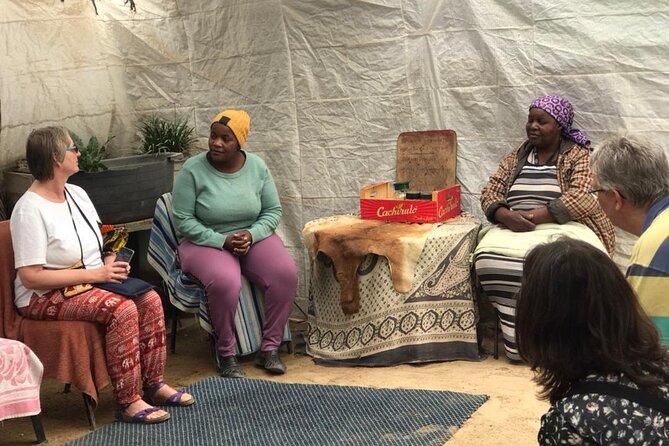
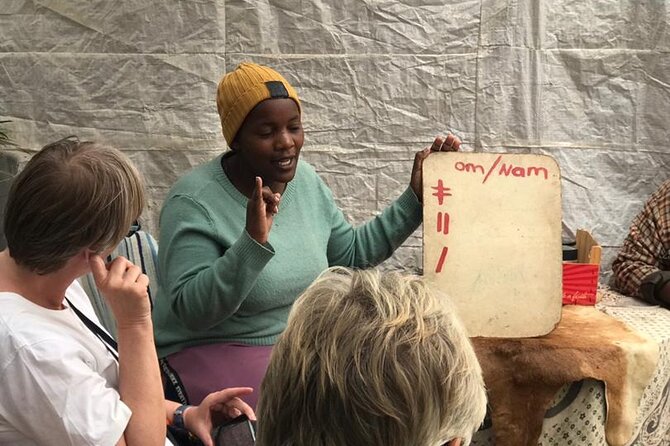
The visit to a Herero woman is one of the strongest cultural elements of the tour. She explains Herero culture and religion directly, giving you a personal voice rather than only a general guide talk.
That distinction matters. A guide can provide background, but a person speaking about her own cultural tradition can make the subject more immediate and easier to understand. You should listen for how culture and religion connect, rather than treating the stop as a quick photo opportunity.
The supplied details do not specify the woman’s name or the length of the conversation, so keep your expectations realistic. You are getting an introduction, not an academic course. Still, this may be one of the more valuable stops for anyone who wants context about Namibia’s different communities.
The broader lesson is that Namibia is not culturally uniform. The tour makes that point through several separate encounters, and the Herero visit gives the idea a human face.
A kindergarten visit that brings the tour to life
The pre-primary school and kindergarten visit is likely to be the most emotionally memorable part of the outing. You can interact with the children, and one especially positive account described the children as happy to see the group.
This is also the stop that calls for the most care. A school is not a performance staged for tourists. You should follow the guides’ lead, respect the school’s rules, and remember that the children’s welfare comes first. The information provided does not state what activities are arranged, so you should not assume that you will teach, bring gifts, or take photographs.
For many people, the value here comes from a simple human exchange. Seeing children in a school setting can make the wider discussion of community life feel less abstract. At the same time, the visit may feel uncomfortable if you prefer tours that keep a strict line between daily life and tourism.
One published account called the kindergarten the highlight of the outing. That praise makes sense, but it also means you should approach the stop with humility. Be present, polite, and attentive rather than expecting the children to entertain you.
A few more Swakopmund trips worth weighing up
- Walvis Bay: Marine Big 5 Luxury Catamaran Tour
★ 4.8 · 1,012 reviews - Swakopmund: Desert Dunes Quad Biking with Optional Sandboard
★ 4.9 · 590 reviews - Walvis Bay and Sandwich Harbour Tour
★ 4.8 · 483 reviews - Scenic Sandwich Harbour Tour
★ 5.0 · 277 reviews
Visiting DRC, an informal settlement
The route then continues to DRC, described as an informal settlement. This is a more difficult stop than a market or cultural presentation because it brings you into contact with housing and living conditions that may differ sharply from what you know.
The value is in seeing another part of Swakopmund’s social reality. The visit can help you understand that a resort town has more than its central streets and visitor facilities. It also gives the tour a broader purpose, connecting cultural identity with everyday community life.
Still, this is not a stop to approach casually. You may find the experience confronting, and you should avoid turning people’s homes or circumstances into souvenirs. The provided information does not specify the exact activities or residents you will meet, so do not expect a detailed social development tour.
I would choose this experience only if you are comfortable with a direct look at local life and can behave respectfully. If you want a light, purely entertaining excursion, this visit may not be the right match.
Traditional herbal knowledge in a personal setting
A visit to a traditional herbalist adds another layer to the tour. You get a look at local approaches to healing and plant-based knowledge, though the available details do not say which remedies are discussed or demonstrated.
This stop is valuable because it shows culture as something practiced, not simply displayed. Religion, family customs, food, and health traditions all form part of how communities understand the world.
Keep the distinction between learning and medical advice clear. The tour presents the herbalist as a cultural visit, not as a substitute for professional healthcare. You can ask questions, listen to explanations, and consider how traditional knowledge fits into community life without assuming that every remedy is suitable for you.
The stop may be especially interesting if you like tours that include everyday knowledge rather than only monuments and historical facts. It also breaks up the route with a subject that is practical and personal.
A brief stop with the Damaranama tribe
The tour includes a visit to the Damaranama tribe. The information does not provide much detail about the format, so you might hear a cultural explanation, meet community members, or make a short visit before moving on.
Even with limited time, this stop supports the tour’s main aim: showing that Swakopmund and the surrounding area include several cultural identities. It is useful to compare what you hear here with the earlier Herero presentation rather than treating each community as an isolated attraction.
The short duration means you should not expect a full study of Damaranama traditions. The strength is variety. In a compact tour, you get several introductions that can help you decide what subjects you would like to explore more deeply during a longer Namibia trip.
Optional local food at the end
The tour may finish with a taste of local foods, and this part is optional. That flexibility is welcome because food preferences vary, and not everyone wants to add a tasting to a tightly timed cultural outing.
The details do not identify the dishes, ingredients, or serving location. You should ask the provider what will be offered if food is important to your decision or if you have dietary concerns.
If you choose to take part, the tasting can tie together the earlier conversations about community and tradition. Food often gives cultural ideas a practical form. If you skip it, you still receive the main cultural visits and explanations.
What $105.48 buys you
At $105.48 per person, this is a premium price for a three-hour experience. You are paying for more than transport. The cost covers a small-group format, several community-based stops, a guide-led explanation of culture, pickup, and the coordination required to fit multiple visits into one morning or afternoon.
The price makes the most sense for you if you have limited time in Swakopmund. A cruise passenger, in particular, may value port pickup and the reported willingness to adjust for ship-related delays. A private or very small outing can also make conversations easier than a large bus tour.
The value is less convincing if you want one subject explored in depth. Three hours is enough for an introduction, but not enough for long visits at every stop. You may also feel the cost is high if you are already planning several other paid activities in town.
Group discounts are available, though the details are not provided. If you are booking with friends or family, check how the discount applies before paying. The maximum group size is six, which is a useful balance between keeping the cost manageable and avoiding a crowded vehicle.
How the guides shape the experience
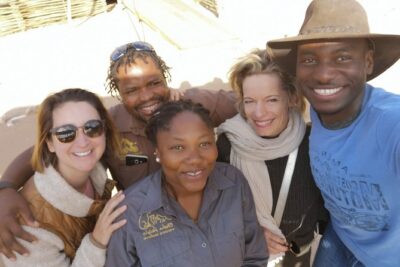
Nanette and Mercia received specific praise for being excellent guides and for communicating well. That matters here because the tour depends on explanation, timing, and respectful introductions.
A guide on a cultural outing has to do more than point out locations. The guide needs to explain differences between communities without reducing them to simple labels, help you behave appropriately at the school and settlement, and keep the route moving within three hours.
The positive account also praised flexibility after cruise ship problems. If you are arriving by port, share your ship schedule and any known delays as early as possible. The experience offers pickup, but the tour still needs enough time to complete its route.
Since the group is capped at six, you should have a better chance to ask questions directly. I would prepare a few thoughtful questions in advance about religion, family traditions, food, and the role of traditional healing. The quality of the conversation will depend partly on how much you engage.
Who will get the most from this tour
I would recommend this tour to you if you want a quick but broad introduction to Swakopmund’s communities. It suits first-time visitors, cruise passengers, small groups, and people who prefer meeting local cultural representatives over visiting only standard attractions.
It may also suit parents and older children who can approach the kindergarten visit with respect. The school stop can make the outing meaningful, but you should discuss proper behavior before arriving.
You may want to skip it if you dislike visiting residential communities, feel uneasy around school visits, or want a relaxed sightseeing trip with plenty of free time. The DRC stop and the range of cultural encounters ask for maturity and attention.
The tour is also not ideal if your main goal is shopping, wildlife, architecture, or a long food tasting. Those subjects are not the focus. This is a people-centered introduction to local culture.
Timing, cancellation, and practical planning
The experience lasts about three hours, and confirmation is provided at booking. Most people can participate, according to the supplied information, but specific accessibility details are not given, so ask the provider if you have mobility needs.
You can cancel for a full refund up to 24 hours before the local start time. Changes made within 24 hours are not accepted, and cancellations inside that window are not refunded.
The tour requires good weather and a minimum number of participants. If poor weather cancels it, or if the minimum is not met, you are offered another date or experience, or a full refund.
Because the outing includes walking at the market and several stops, wear practical clothing and shoes. That is general planning advice rather than a stated dress requirement. Most important, bring patience. The route includes real communities and personal encounters, so it may not run with the mechanical precision of a standard city sightseeing loop.
Should you book the Swakopmund Cultural Tour?
Book it if you want to see more than central Swakopmund and you value direct cultural contact. The strongest reasons are the six-person maximum, the mix of Herero, Damaranama, school, settlement, and herbalist visits, plus pickup and good communication from Nanette and Mercia.
At $105.48, it is best viewed as a compact cultural orientation rather than a bargain excursion. You are paying for access, coordination, and a wide range of stops in limited time. Go with respect, expect introductions rather than lengthy studies, and confirm the food and port timing details before booking.
FAQ
How long does the Cultural Tour in Swakopmund last?
The tour lasts approximately three hours.
How much does the tour cost?
The listed price is $105.48 per person.
Is pickup available?
Yes. Pickup is offered, and one booking included pickup from the port.
How many people can join the tour?
The tour has a maximum of six participants.
What communities and cultural groups does the tour visit?
The experience includes discussion of different Namibian tribes, a visit with a Herero woman, a stop with the Damaranama tribe, and visits to DRC and a traditional herbalist.
Does the tour include a school visit?
Yes. The route includes a pre-primary school and kindergarten where you can interact with the children.
Is local food included?
A taste of local foods is available as an optional part of the experience.
Can I cancel for a full refund?
Yes. You can cancel at least 24 hours before the local start time for a full refund. Cancellations or changes made less than 24 hours before the start are not accepted for a refund.
Just added around Swakopmund
- Pelican Point Peninsula Tour★ 5.0 · 3 reviews
- Swakopmund:Mondesa Cultural Township Tour★ 5.0 · 3 reviews
- Spitzkoppe : via Zeila Shipwreck★ 5.0 · 3 reviews
- Unforgettable Half Day Adventure, Explore Sandwich Harbour★ 5.0 · 3 reviews
- Spitzkoppe – Day Tour to the Spitzkoppe Mountain from Swakopmund★ 5.0 · 3 reviews
- Full-Day Tour in Namib Desert from Swakopmund, Namibia★ 5.0 · 3 reviews
- Walvis Bay Shore Excursion: Flamingos, Dune 7, Swakopmund★ 5.0 · 3 reviews
- Half Day Swakopmund Cultural Historical Township Tour★ 5.0 · 4 reviews
Historical Tours, compared.

Half-Day Windhoek City and Township Cultural Tour
Read our review →
Swakopmund Best Cultural Historical Township Tours Namibia
Read our review →
Etosha National Park: Himba Village Cultural Tour
Read our review →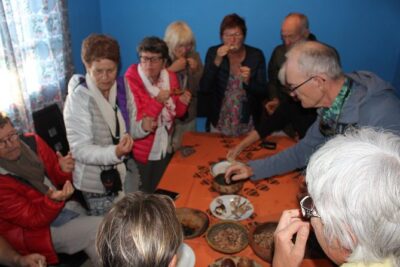

Half Day Swakopmund Cultural Historical Township Tour
Read our review →Browse the lists this tour appears in