
Reviewed · SOSSUSVLEI DESERT SAFARIS
9 Day Etosha, Skeleton Coast and Sossusvlei Camping and Lodge Safari
Namibia packs a lot into nine days. This trip links Etosha wildlife with the stark Skeleton Coast, Himba culture, Swakopmund activities, and the huge dunes of Sossusvlei. I especially like the mix of five camping nights and three nights in accommodation, plus the small maximum group of 10. The main tradeoff is simple: you cover a great deal of ground, so expect early starts, long drives, and a fair amount of time in the safari vehicle.
The strongest part of the trip is its variety. You may watch rhinos at Mount Etjo, search waterholes for lions and elephants, meet members of the Himba community, smell thousands of Cape fur seals, and walk among the dead camel thorn trees of Deadvlei. Camping is approachable rather than rough, with equipment supplied, but you must bring your own sleeping bag and be comfortable helping with the rhythm of camp life.
In This Review
- Key points before you book
- Why this route works so well in nine days
- Day 1: Woodcarvers, rhinos, and a Mount Etjo sunset
- Days 2 and 3: Waterholes and wide-open Etosha
- Day 4: The Himba village and the road to Palmwag
- Day 5: Entering the Skeleton Coast
- Day 6: Seals, shipwrecks, and a night in Swakopmund
- Day 7: Your choice of adventure before the desert
- Day 8: Deadvlei, Sossusvlei, and Dune 45
- Day 9: Cheetah conservation and the return to Windhoek
- Camping, food, and comfort
- Who should choose this safari?
- Should you book it?
- FAQ
- How long is the safari?
- Where does the tour start?
- Where does the tour end?
- How many people can join the tour?
- How many nights are spent camping?
- Is camping equipment included?
- Are meals included?
- Are activities in Swakopmund included?
Key points before you book
- Five nights under canvas, three nights in accommodation: You get the atmosphere of camping without sleeping outside every night.
- Etosha receives two full wildlife-focused days: Game drives run from waterhole to waterhole, with a chance to visit the famous floodlit waterhole at Okaukuejo.
- The route reaches the remote Skeleton Coast: Cape Cross and the Zeila shipwreck add a very different side of Namibia.
- Swakopmund gives you a useful activity break: Sandboarding, quad biking, skydiving, and bicycle tours are available at extra cost.
- Sossusvlei includes Deadvlei, Dune 45, and Sesriem Canyon: You see Namibia’s best-known desert sights in one concentrated day.
- Meals are a major convenience: Breakfast, lunch, and dinner are supplied on most touring days, with guides cooking over an open fire.
Why this route works so well in nine days
The route is carefully shaped like a broad loop from Windhoek. It begins with wildlife in the central and northern parts of the country, heads west to the Atlantic, then turns south toward the Namib Desert before returning to the capital.
That design gives you a useful first look at Namibia without requiring separate tours for each major region. You are not spending nine days in one park or one desert camp. Instead, each day changes the setting and the pace.
The cost is $2,568.47 per person. That is not a budget bus ride, but it covers transport in a custom-built safari vehicle with a pop-up roof, an English-speaking driver and guide, camping equipment, most meals, park-based activities, and pickup and drop-off within Windhoek city limits. Return airport transfers are also listed as included.
I see the price as fair for the amount of ground covered and the number of meals and activities bundled into the trip. The value is strongest if you want one organized journey and do not want to arrange vehicles, campsites, park entries, and guides separately.
Still, this is not an all-inclusive holiday. Drinks, mineral water, snacks, optional activities, travel insurance, and a sleeping bag cost extra or must be supplied by you. Budget for those items before deciding.
More Sossusvlei Safaris in Windhoek
- 3 Day Sossusvlei Budget Camping Safari
★ 5.0 · 62 reviews - 7 Day Southern Namibia and Sossusvlei Camping Safari
★ 5.0 · 26 reviews - 4-Day Swakopmund And Sossusvlei Accommodated Adventure from Windhoek
★ 4.5 · 21 reviews
Day 1: Woodcarvers, rhinos, and a Mount Etjo sunset
You meet at Chameleon Backpackers in Windhoek at 7:00 a.m. for a short pre-departure talk. That early start helps the group make good progress, but it also means you should be ready with luggage and breakfast plans before the meeting.
The first stop is the Okahandja Mbangura Woodcarvers Craft Market. Woodcarvers from around Namibia come here to sell their work, and you get about an hour to browse and bargain. It is a practical shopping stop rather than a formal cultural tour, so bring small spending money if you want carvings or other handmade goods.
Mount Etjo Game Reserve is the first major wildlife stop. The reserve supports conservation work aimed at protecting black and white rhinos, and the afternoon game drive focuses partly on animals connected to that effort.
You reach camp before lunch, giving you time to help set up, eat, and settle in before the drive. The day ends with a Namibian sunset in the reserve, a pleasant first taste of the trip’s camp-and-wildlife routine.
Days 2 and 3: Waterholes and wide-open Etosha
After breakfast, you stop in Otjiwarongo for fresh supplies before entering Etosha National Park. This short shopping stop matters because the next two days follow the park’s waterholes and roads rather than town services.
Etosha is the wildlife center of the trip. The park’s dry setting makes waterholes especially important, and the safari vehicle moves from one to another looking for predators, plains animals, birds, and, if luck cooperates, reptiles.
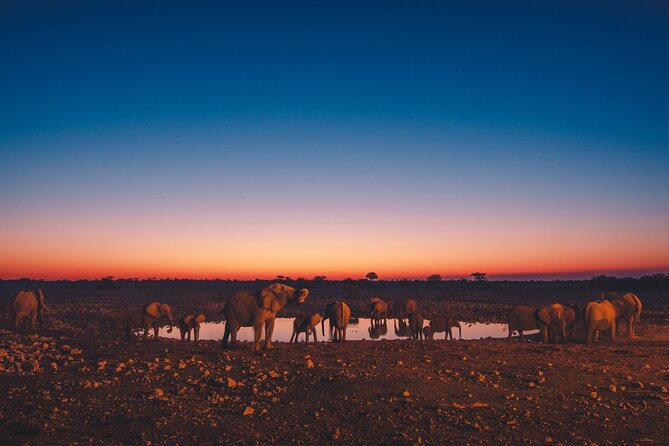
On Day 2, you drive toward Okaukuejo, set up camp, and eat lunch before an afternoon game drive. Your guide prepares dinner over an open fire, and after dark you can visit Okaukuejo’s floodlit waterhole. Rhinos, elephants, giraffes, lions, and hyenas are frequent visitors there, so this is one of the best opportunities to watch animal behavior without driving around in the dark.
Day 3 begins at sunrise. Early hours are useful because predators may still be active, and the softer light is better for photographs. You stop for breakfast at a fenced picnic site before continuing across the park.
The Etosha Pan is the day’s visual centerpiece. This enormous saline desert covers about 4,500 square kilometers and gives the park its name, often translated as great white place. You can leave the vehicle at the pan, which provides a welcome chance to stretch your legs and take in the scale of the setting.
The route continues toward Halali, the central camp, where you can use the pool, visit the waterhole, and eat lunch. Afterward, you drive back toward Okaukuejo, stopping at more waterholes before arriving around sunset.
There is a small practical point here: the schedule is full, and much of the day is spent seated in the vehicle. That is normal on safari, but anyone expecting long walks should adjust expectations. The focus is on patient wildlife watching from the pop-up roof vehicle.
Day 4: The Himba village and the road to Palmwag
You leave Etosha with a final morning game drive and breakfast during sunrise. The next stop shifts the trip from wildlife to culture.
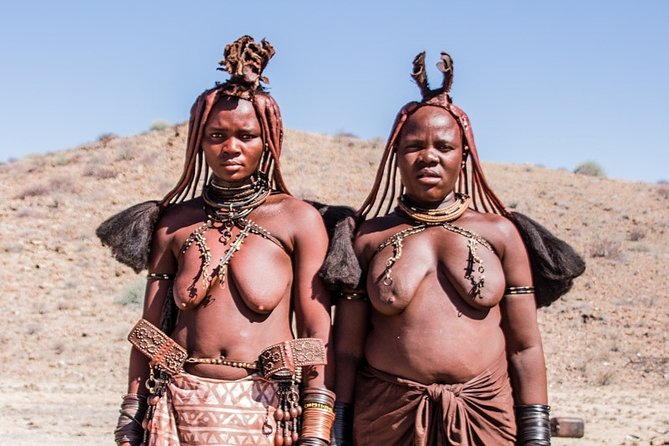
At Otjikandero Himba Orphan Village, a guided visit introduces you to Himba customs and daily life. The experience is intended to create an exchange, not just a quick photo stop. You have a chance to learn about the community and share something of your own culture.
Approach this visit with respect and an open mind. The schedule allows about two hours, so it offers an introduction rather than a complete picture of Himba life. Your guide’s role matters here, especially in explaining context and helping the group behave appropriately.
You then continue to Palmwag, set up camp, and have time to relax. Desert elephants may be seen in the area, but this is a possibility rather than a promise. Dinner again comes from the guide’s camp kitchen and open fire.
Several trip accounts praise the guides for making these long days enjoyable. Names mentioned include Kennedy, Smithlee, Taimi, Gregory, Gideon, Raymond, Chimunya, and Tulimo. Guides vary by departure, but the repeated pattern is clear: the crew often handles driving, cooking, logistics, and local explanation all at once.
More Sossusvlei Safaris:
- 5-Day Sossusvlei & Sandwich Harbour Photography Tour
★ 5.0 · 13 reviews - 3 Days Amazing Red Dunes of Sossusvlei | Private Guided Tour
★ 5.0 · 10 reviews - From Windhoek: Budget Sossusvlei Guided 2-Day Tour
★ 4.9 · 9 reviews - 3 Day Sossusvlei Camping Schedule and Sandwich Habor
★ 4.5 · 9 reviews
Day 5: Entering the Skeleton Coast
The road west takes you into Skeleton Coast National Park and toward the Atlantic Ocean. The coast is famous for shipwrecks, fog, strong currents, and rough seas. It feels stark and exposed, with a character very different from Etosha’s dry inland waterholes.
The drive takes much of the day, about eight hours according to the schedule. This is one of the longest road sections, so pack water, snacks, and anything you need within easy reach. Tap water is supplied, but other drinks and snacks are not included.
You camp at Cape Cross and have time to see the Atlantic at sunset. Sleeping beside this remote coast is one of the trip’s more unusual moments, though the coastal climate can feel cold and damp compared with the desert interior. The guide prepares dinner at camp.
The Skeleton Coast is not a place to expect a long list of attractions every few minutes. Its appeal is the emptiness, weather, shipwreck history, and sense of distance. If you enjoy dramatic scenery and quiet roads, this day will likely be memorable. If you need constant activity, it may feel slow.
Day 6: Seals, shipwrecks, and a night in Swakopmund
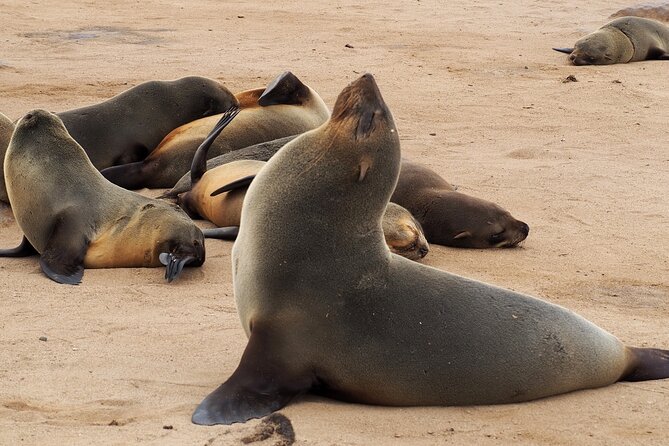
After breakfast, you walk to the Cape Cross Seal Reserve. It contains one of the world’s largest Cape fur seal breeding colonies. During the November and December breeding season, more than 200,000 seals may gather on the beach.
This is a powerful wildlife sight, but it is also loud and very smelly. That is not a complaint so much as a warning. Keep your expectations practical, and give yourself time to take in the scale of the colony rather than rushing through it.
The next stop is the Zeila shipwreck, one of the Skeleton Coast’s more recent wrecks, dating from 2007. You get about 30 minutes for the stop, enough for photographs and a quick look before continuing south.
Swakopmund provides a welcome change after several nights of camp cooking and remote roads. You arrive in the early afternoon with time to walk around town or choose an optional activity. Choices include skydiving, quad biking, sandboarding, and bicycle tours.
Dinner is at your own expense, which gives you a chance to try one of Swakopmund’s restaurants. Your guide can suggest places or help with bookings. This is one of the trip’s best rest points because you can trade the campfire for a proper meal and spend the night in accommodation.
Day 7: Your choice of adventure before the desert
The morning in Swakopmund is deliberately open. The vehicle does not leave until 11:30 a.m., so you have time to book an activity or explore on foot.
Sandboarding offers a fast ride down the dunes, while quad biking lets you see more of the dune field. A bicycle tour focuses on Swakopmund’s old city. Skydiving is also available for those seeking a larger jolt of excitement.
These activities are not included, so check your budget before booking. They also change the feel of the day. You can use the morning for a high-energy experience, or keep it quiet and save your legs for Deadvlei and Sossusvlei.
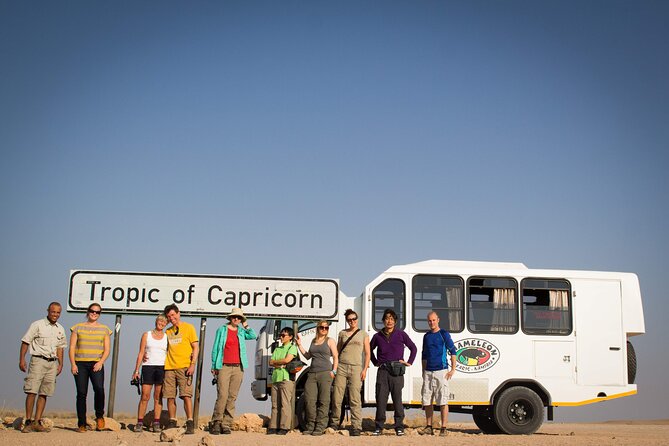
After leaving town, you stop at the Tropic of Capricorn sign for photographs and a short stretch. Solitaire follows, offering a bathroom break and a chance to buy a cool drink or snack.
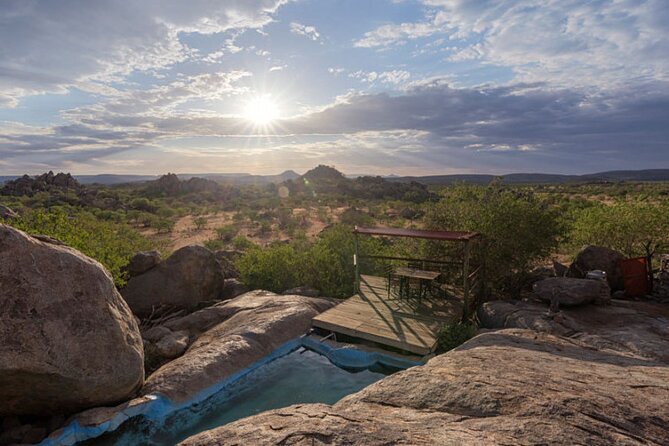
You reach Desert Camp in the late afternoon, settle into your room, and walk out to watch the sunset. Dinner is prepared by the guide. This is another useful comfort break before the early start in the Namib Desert.
Day 8: Deadvlei, Sossusvlei, and Dune 45
The desert day begins early, which is sensible. Cooler hours are more comfortable for walking, and the light brings out the shapes and colors of the dunes.
You drive to the 4×4 parking area and continue to Deadvlei. The famous clay pan, surrounded by towering dunes and marked by ancient dead camel thorn trees, is the place where the trip’s photography hopes are likely to be rewarded.
You should expect walking on sand and uneven ground. The supplied information calls for a moderate fitness level, and this is the clearest reason why. Bring a hat, protect yourself from the sun, and wear shoes suited to sand.
After Deadvlei, you continue to Sossusvlei for brunch. The name is often used for the wider dune area, but the day gives you time at both major sights. Dune 45 is the final major dune stop, with about 30 minutes for photographs.
Sesriem Canyon finishes the day. The canyon is smaller than the grand desert formations, but it has practical importance as a water source for local wildlife. It also provides a change from open sand and gives you a closer look at the area’s geology.
This is a packed day, but the stops are well chosen. You get the iconic desert views without adding another transfer to the route.
Day 9: Cheetah conservation and the return to Windhoek
The final morning includes a one-hour visit to the Solitaire Carnivore Conservation project, where you learn about cheetahs. It is a thoughtful way to close the wildlife thread that began with rhinos and continued through Etosha.
The return drive passes the Naukluft Mountains and Rehoboth before arriving in Windhoek in the early afternoon. The tour ends back at the meeting point, and no flights are recommended that day.
That flight warning is important. Road conditions, timing, and the length of the return journey can make same-day air travel a poor plan. If you have a flight, schedule it for later or add a night in Windhoek.
Camping, food, and comfort
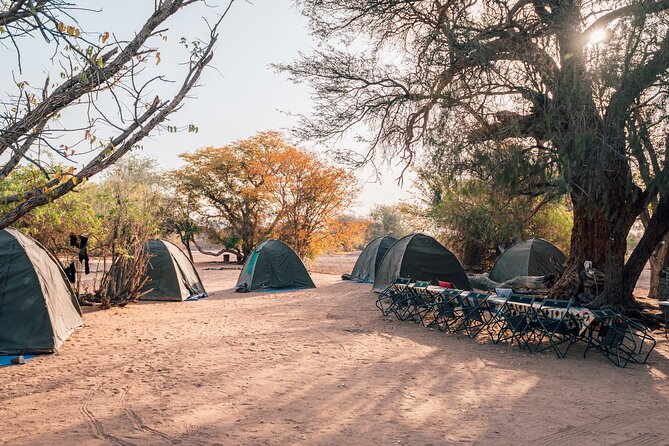
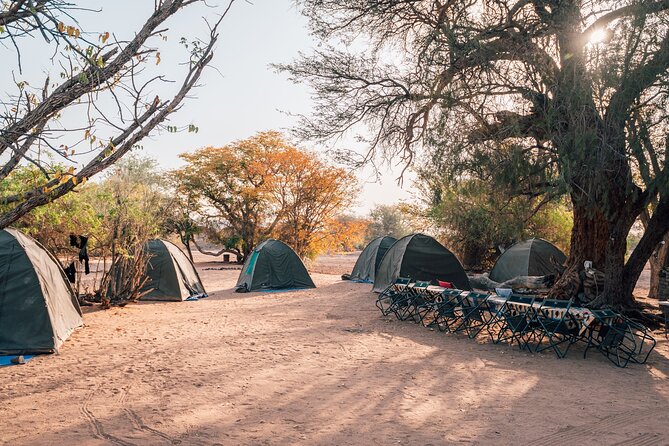
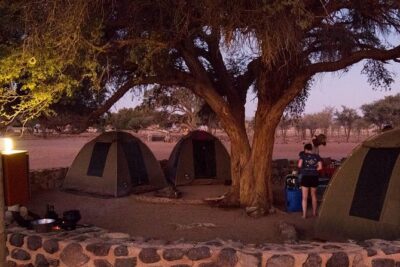
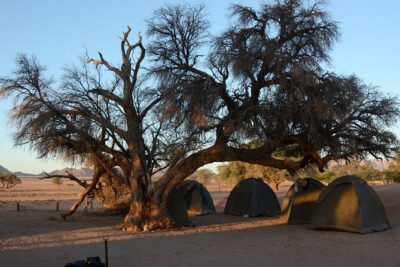
The trip includes five camping nights and three nights in accommodation on a twin-share basis. Camping equipment is supplied, but sleeping bags are not, so bring one suitable for the season.
The tents are described as easy to set up, with comfortable mattresses. That makes the camping more approachable for first-timers, though you should still expect to help with camp routines. The repeated praise for the cooking is deserved based on the structure of the trip: guides prepare seven lunches, seven dinners, and eight breakfasts, often over an open fire.
Meals are not merely fuel on a route like this. They create a social rhythm after long drives, and a capable cook can make a real difference. Kennedy and Smithlee receive particular praise for food and camp spirit, while other guide teams are also credited with keeping meals fresh and enjoyable.
Tap water is included. Mineral water, soft drinks, alcohol, and snacks are not. Pack or buy snacks during supply stops, especially for the long drives.
Who should choose this safari?
I would choose this tour if you want Namibia’s major sights in one trip and are happy to trade luxury for variety. It suits people who enjoy wildlife, photography, open roads, simple camping, and guides who take an active role in cooking and camp setup.
It is also a good fit for camping beginners. The supplied equipment and lodge nights reduce the pressure, and previous first-time campers found the arrangement comfortable.
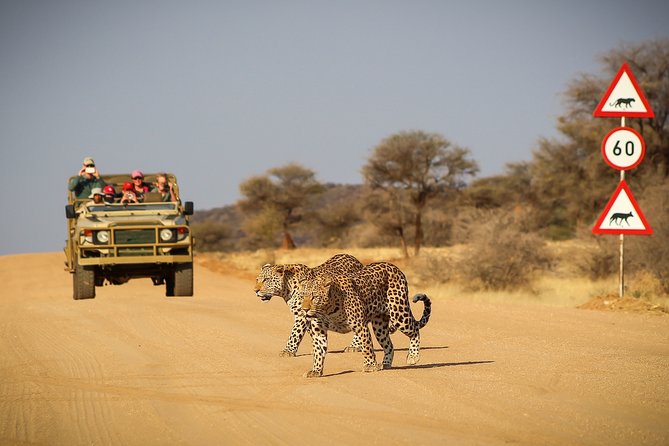
I would hesitate if you dislike early mornings, long vehicle days, shared rooms, or uncertain wildlife sightings. You may see lions, rhinos, elephants, giraffes, and cheetahs, but nature does not work from a checklist. The tour gives you strong chances, not guarantees.
The group size of up to 10 is another advantage. It is small enough to feel personal without the cost of a private safari, though the exact group size can vary. Several departures have had smaller groups, which can make the vehicle and camp routine more comfortable.
Should you book it?
Book this safari if you want a well-priced overview of Namibia with real variety: Etosha waterholes, Himba culture, the Skeleton Coast, Cape Cross, Swakopmund, and the Namib Desert.
Skip it if you want a slow, luxury-focused holiday or need complete control over daily timing. The route covers a huge amount of country in nine days, and the best parts come with early starts, dusty roads, camp chores, and long drives.
For most active visitors, the combination is the attraction. You get wildlife, culture, coast, dunes, included meals, and a guide team that carries much of the practical load. Bring a sleeping bag, budget for drinks and optional activities, and leave your final day free of flight plans. That is the formula for enjoying this ambitious slice of Namibia.
FAQ
How long is the safari?
The safari lasts approximately nine days, beginning and ending in Windhoek.
Where does the tour start?
The group meets at Chameleon Safaris, Ferry Street, Windhoek, at 7:00 a.m.
Where does the tour end?
The tour returns to the meeting point in Windhoek. Pickup and drop-off within Windhoek city limits are included.
How many people can join the tour?
The maximum group size is 10 travelers.
How many nights are spent camping?
The package includes five nights of camping and three nights in accommodation, with twin sharing.
Is camping equipment included?
Camping equipment is included, but you must bring your own sleeping bag.
Are meals included?
Breakfast is included on eight days, lunch on seven days, and dinner on seven days. Drinks, mineral water, and snacks are not included.
Are activities in Swakopmund included?
Optional activities such as skydiving, quad biking, sandboarding, and bicycle tours are not included in the tour price.
More Skeleton Coast Tours
- 7 Day Northern Namibia and Skeleton Coast Camping Safari
★ 5.0 · 19 reviews - Skeleton Coast Cape Cross Seal colony Tour
★ 4.0 · 11 reviews - Cape Cross and Henties Bay Guided Tour SkeletonCoast Namibia
★ 5.0 · 4 reviews
More Etosha National Park Safaris
- 6 Day Sand, Sea & Etosha Budget Camping Safari
★ 5.0 · 36 reviews - 4-Day Etosha And Swakopmund Accommodated Adventure from Windhoek
★ 4.5 · 19 reviews - Etosha Express Safari 3 Days / 2 Nights
★ 5.0 · 11 reviews - 3 Day Camping tour at Etosha National Park
★ 5.0 · 5 reviews
Just added around Windhoek
- Knight Vibes: Bars, Shebeen, Clubs Crawl Windhoek★ 5.0 · 3 reviews
- 10 DAYS BEAUTY OF NAMIBIA | Guided Lodge★ 5.0 · 3 reviews
- From Windhoek: 3-Day Sossusvlei Shared Shuttle Tour★ 3.8 · 3 reviews
- 3 day Sossusvlei Camping★ 5.0 · 3 reviews
- Windhoek: Katutura Township Tour with Local Guide★ 3.5 · 3 reviews
- Windhoek: City & Township tour. Vehicle, guide, kapana★ 4.2 · 4 reviews
- Airport Transfers★ 5.0 · 5 reviews
- Predator Encounter: Half-Day Carnivore Feeding Windhoek★ 4.0 · 5 reviews
Sossusvlei Desert Safaris, compared.
7 Day Southern Namibia and Sossusvlei Camping Safari
Read our review →
4-Day Swakopmund And Sossusvlei Accommodated Adventure from Windhoek
Read our review →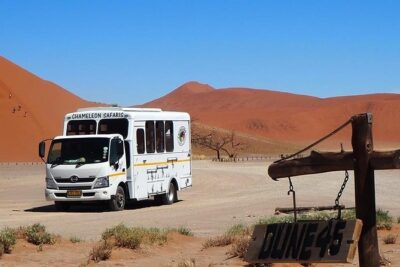
3-Day Sossusvlei Express Accommodated Safari from Swakopmund
Read our review →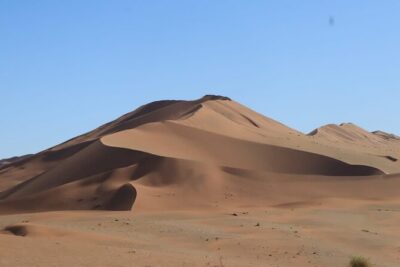
5-Day Sossusvlei & Sandwich Harbour Photography Tour
Read our review →
2 Day Scenic Sossusvlei Adventure Tour in Namibia
Read our review →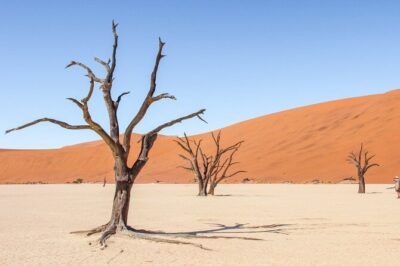
3 Days Amazing Red Dunes of Sossusvlei | Private Guided Tour
Read our review →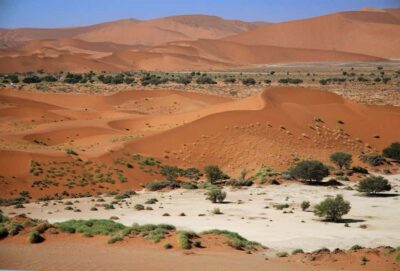
Browse the lists this tour appears in